
Evaporative vs. Air-Cooled Condensers: How to Select the Right Cold Storage Refrigeration System
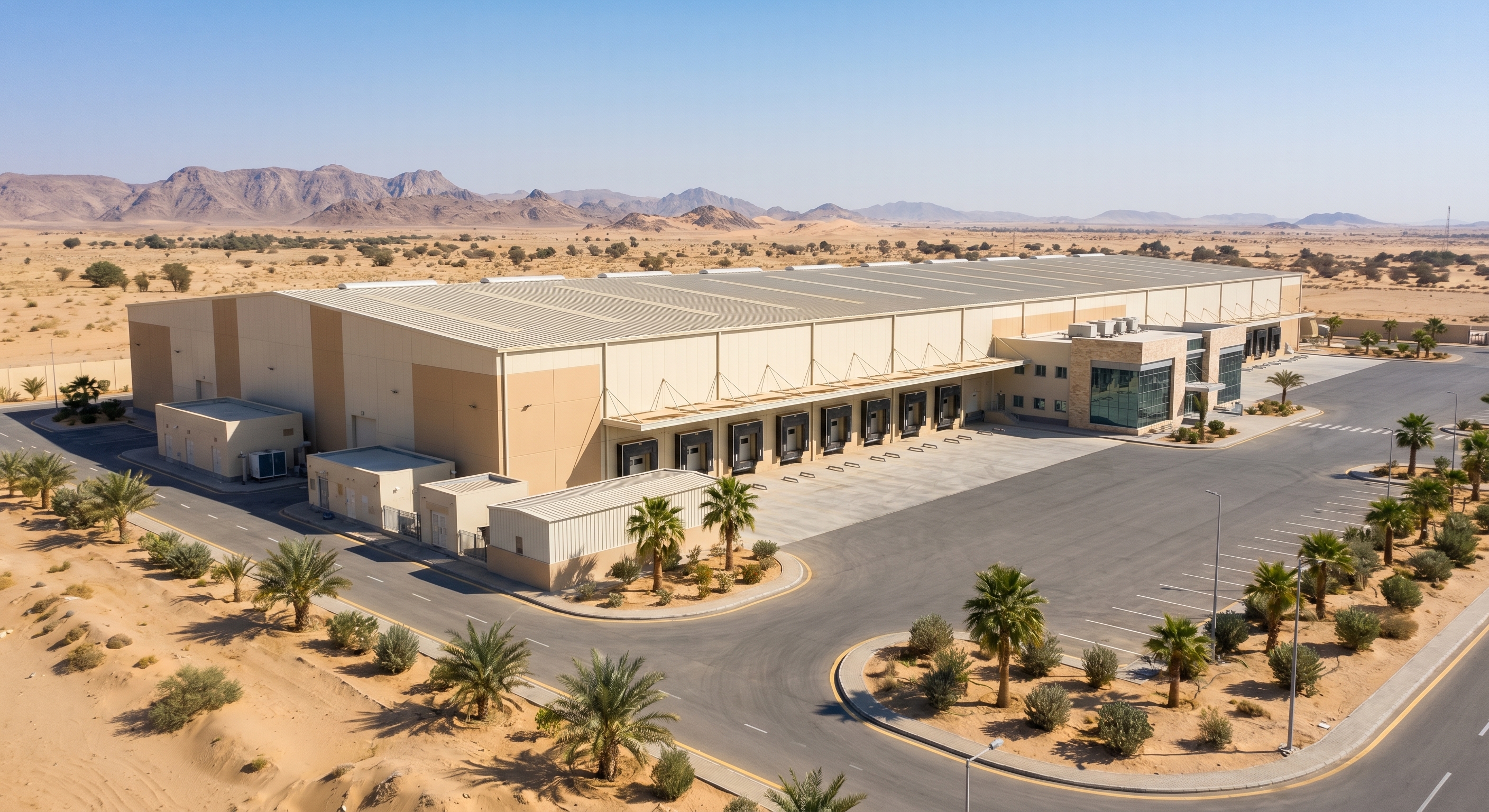
Choosing Between Air-Cooled and Evaporative Condensers for Cold Storage
The choice between evaporative and air-cooled condensers directly impacts long-term operational costs and reliability of any cold storage project. As the global cold storage market reaches an estimated USD 185.8 billion in 2025 and continues to expand, buyers evaluating cold storage installation or refrigeration equipment upgrades must consider ambient temperature, energy tariffs, and regulatory requirements. This decision becomes especially critical in hot climates where traditional air-cooled condensers lose efficiency.
The Challenge: High Ambient Temperatures and Energy Waste
In many growing cold chain markets — such as the Middle East, Africa, and Southeast Asia — outdoor temperatures frequently exceed 45°C and can reach 50°C in summer. Under such conditions, air-cooled condensers operate at much higher condensing pressures, forcing compressors to work harder and consuming significantly more electricity. This not only inflates operating budgets but also stresses mechanical components, increasing maintenance frequency. For cold chain logistics centers, fruit and vegetable cold storage, and meat and seafood processing facilities, temperature stability is non-negotiable.
HOWCOOL’s Evaporative Condenser: A Targeted Solution
Beijing HOWCOOL Refrigeration Technology Co., Ltd. (HOWCOOL) is a professional engineering enterprise that manufactures insulation panels, refrigeration condensing units, evaporators, and tunnel freezers, and delivers complete EPC cold storage services. For high-temperature environments, HOWCOOL offers an evaporative condenser that uses a combined air-and-water cooling method. Compared to traditional air-cooled condensers, this product has distinct advantages. It achieves better heat dissipation by spraying water over the condenser coil while drawing air through the unit, lowering the condensing temperature and reducing the compressor power draw.
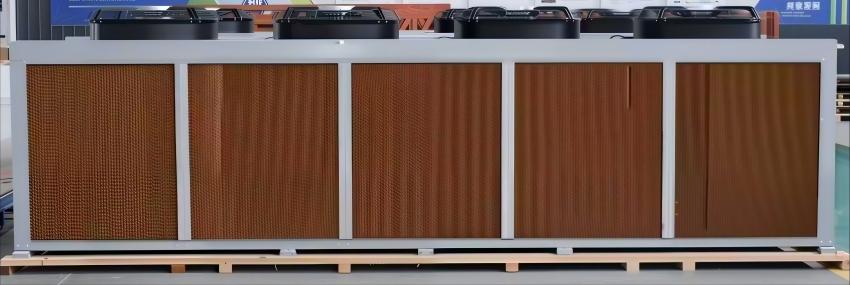
HOWCOOL’s evaporative condenser delivers a 17% energy saving compared to a conventional air-cooled system. An automated energy-saving system monitors the refrigeration equipment 24 hours a day, avoiding electricity costs incurred by unnecessary defrosting and providing real-time tracking of performance parameters. This intelligence helps facility managers respond proactively to changing conditions.
Application Scenarios: Where This Condenser Excels
HOWCOOL’s evaporative condenser is particularly suited for cold storage operations in high ambient temperature regions. Specific applications include agricultural products preservation, food factory cold storage, meat factory cold storage, seafood cold storage, quick‑freezing cold storage, cold chain logistics center cold storage, and fruit cold storage. The system maintains stable low temperatures even when outside air temperature reaches 50°C, making it a reliable choice for facilities in desert or tropical climates.
Market Context and Industry Trends
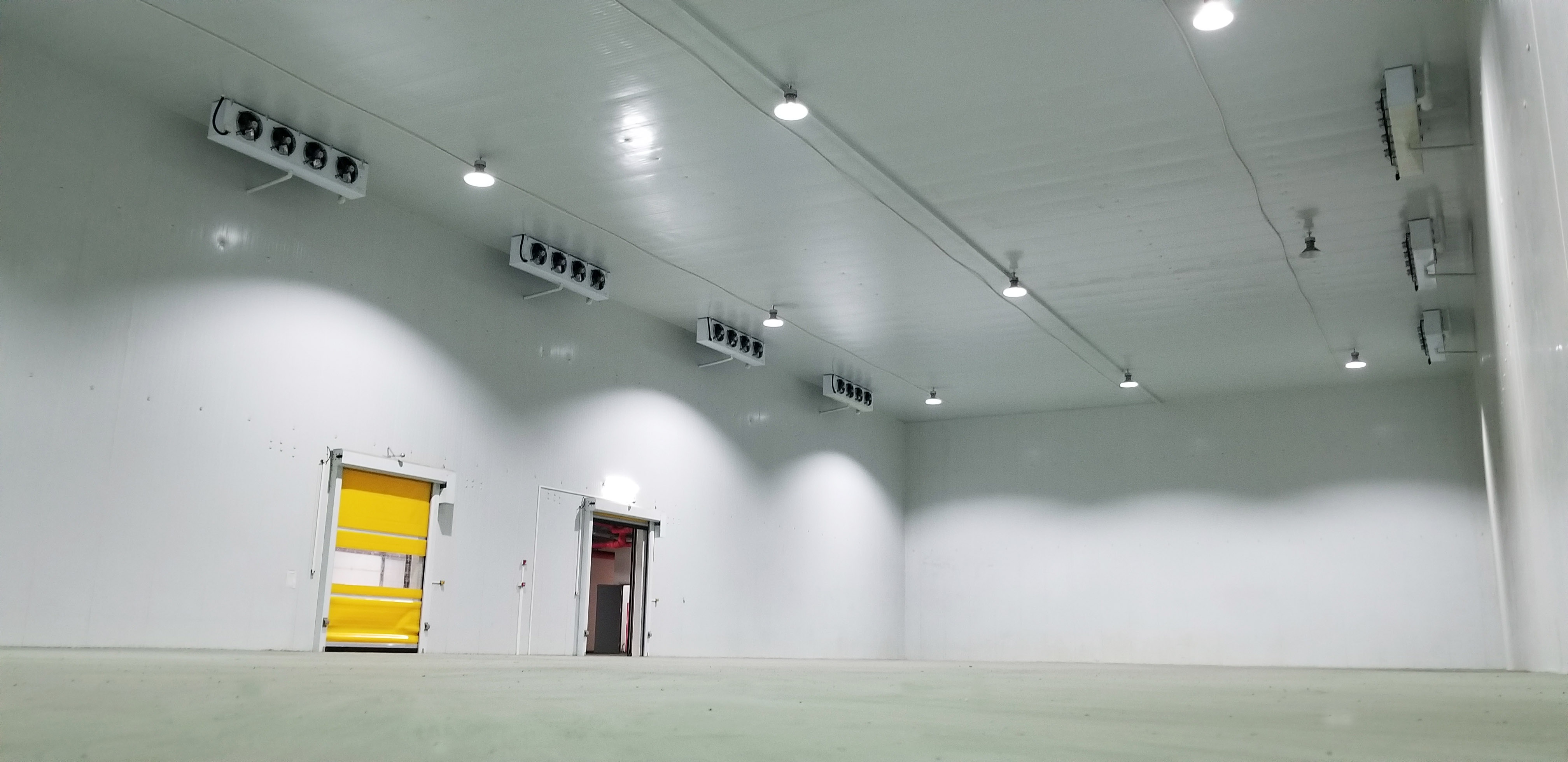
The refrigeration compressor market was valued at USD 18.6 billion in 2024, driven largely by cold chain logistics expansion and demand for energy‑efficient HVAC systems. Meanwhile, the frozen temperature segment (−18°C to −25°C) accounts for 63.0% of global cold storage capacity, requiring reliable cooling under continuous load. European safety standards (EN 378) also push buyers toward systems with lower environmental impact and better performance monitoring. Evaporative condensers align with these trends by combining higher efficiency with the ability to operate reliably in extreme heat.
Comparison with Traditional Air‑Cooled Condensers
While traditional air-cooled condensers are simpler and require no water supply, they lose efficiency as ambient temperature rises. HOWCOOL’s evaporative condenser, by contrast, maintains lower condensing pressures and a 17% higher energy efficiency in hot climates. One honest limitation: evaporative condensers need a reliable water source and periodic water treatment to prevent scaling and biological growth. In very dry areas with scarce water, the trade‑off may favor air-cooled systems, though the energy savings often offset the water consumption. For most warm‑climate cold storage owners, the lower lifetime cost and stable performance of the evaporative design outweigh the extra maintenance.
Future Outlook
As global temperatures rise and energy regulations tighten, hybrid cooling technologies will become the standard for cold storage construction. HOWCOOL continues to enhance its EPC offerings by integrating automated controls, remote monitoring, and modular design. The evaporative condenser represents a mature, proven upgrade for any cold storage facility in a hot climate, and its role in sustainable cold chain infrastructure will only grow.
Frequently Asked Questions
1. What is the main advantage of HOWCOOL’s evaporative condenser over traditional air-cooled ones?
It combines air cooling and water cooling to achieve better heat dissipation, especially in high ambient temperatures, reducing condensing temperature and pressure. This leads to a 17% energy saving compared to traditional air-cooled condensers.
2. In what types of cold storage should this condenser be used?
It is suitable for cold storage applications in high ambient temperature regions, including agricultural products preservation, food factory cold storage, meat factory cold storage, seafood cold storage, quick‑freezing cold storage, cold chain logistics center cold storage, and fruit cold storage.
3. Does the evaporative condenser require extra maintenance?
An automated energy-saving system monitors the equipment 24 hours a day, automatically controlling defrost cycles. However, because it uses a water spray, regular water quality management (e.g., scale prevention, biological control) is recommended to maintain long-term performance.
4. How does this solution impact long-term operational costs?
The 17% improvement in energy efficiency directly reduces electricity bills. The automated monitoring also minimizes unnecessary defrosting expenses and provides real‑time data to prevent breakdowns, lowering total cost of ownership over the system’s life.
For detailed technical specifications and project references, download the HOWCOOL EPC brochure: HOWCOOL EPC Brochure (PDF).
Export this report as a PDF document for offline reading and sharing.