
TPU Film for Ballistic Laminated Glass: SHENGDING HIGHTECH Insights
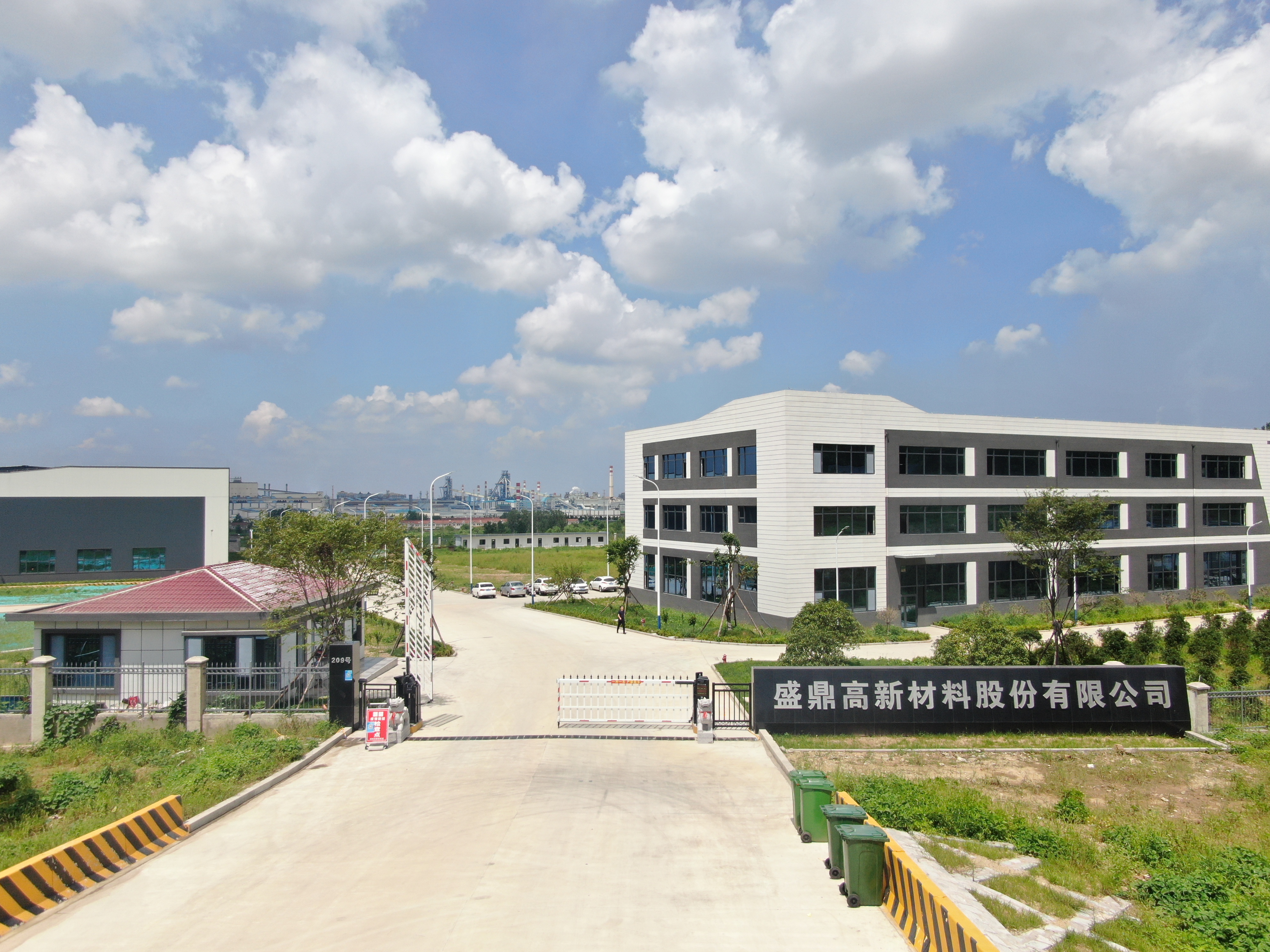
Manufacturing facility in Rizhao, Shandong — source of high-performance TPU interlayer films.
Industry Context: The Shift Toward TPU in High-Stakes Glass Lamination
The laminated glass industry is undergoing a material transition. For applications requiring exceptional adhesion, optical clarity, and impact resistance—such as ballistic glass, armored vehicle windows, and aviation transparencies—thermoplastic polyurethane (TPU) interlayer films are increasingly specified over traditional polyvinyl butyral (PVB) and ethylene-vinyl acetate (EVA). Procurement professionals evaluating TPU film suppliers need verifiable production capability, application-proven performance, and long-term reliability. SHENGDING HIGHTECH MATERIALS CO., LTD, a high-tech enterprise founded in 2018 in Rizhao, Shandong, has positioned itself as a specialized manufacturer of TPU film and EVA film, with a 50,000 m² factory and an annual output of 1,000 tons.
Problem / Opportunity: Meeting the Demands of Safety and Ballistic Glass
Ballistic laminated glass demands interlayer materials that maintain structural integrity under high-velocity impact, remain optically transparent, and withstand environmental stress. PVB and EVA films have limitations in adhesion to glass and polycarbonate, cold-temperature performance, and resistance to delamination. TPU film addresses these gaps through its intrinsic elasticity, high tensile strength, and strong bond with multiple substrates. The challenge for buyers is identifying a TPU film supplier with proven experience in defense-grade projects and consistent quality output.
Brand Solution: SHENGDING HIGHTECH’s TPU Film Capabilities
SHENGDING HIGHTECH MATERIALS CO., LTD has developed a comprehensive TPU film product line based on its mastery of optical-grade thermoplastic polyurethane elastomer synthesis and stable wide-width extrusion technology. The company produces over 30 TPU product types with hardness ranging from 60A to 70D. Its TPU film, model SD560, exhibits: tensile strength 42 MPa, elongation at break 500%, tear strength 45 kN/m, light transmittance 90%, and haze 0.3%. These parameters are supported by ISO 9001:2015 certification for design, development, and production of interlayer glass intermediate films and granular materials. The company also holds ISO 14001 and ISO 45001 certifications.
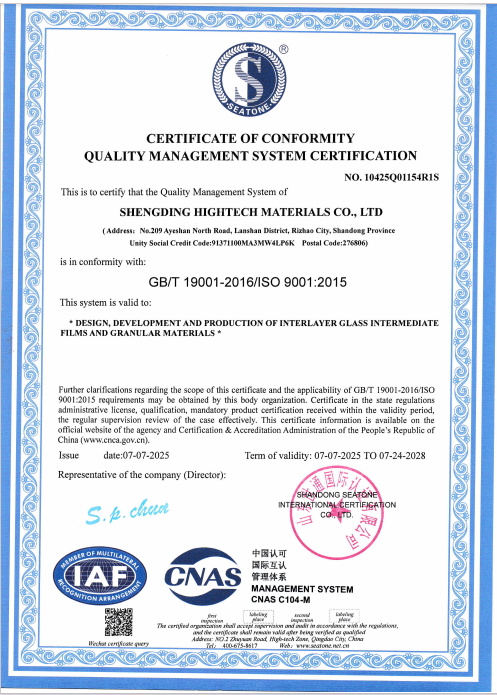
Quality management system certification covering TPU and EVA interlayer film design and production.
Technical Explanation: Why TPU Film Excels in Laminated Glass
Thermoplastic polyurethane film (TPU film) offers a combination of high mechanical strength, outstanding cold resistance, and resistance to oil, water, and mold. In laminated glass construction, the TPU interlayer film is placed between glass panels and subjected to autoclave lamination. The material’s high tear and tensile strength ensure that even after glass fracture, the interlayer retains shattered fragments and resists penetration. SHENGDING HIGHTECH’s TPU film is produced with a 100% testing protocol, ensuring consistent thickness and defect-free rolls. The company’s R&D team includes 10 engineers at the factory and 5 professors at the Beijing R&D Center, enabling ongoing process optimization for ballistic and safety glass applications.
Application Scenario: TPU Film for Bulletproof Glass – A Proven Case
A notable deployment involves a ballistic glass project in Pakistan, where 100 rolls of SHENGDING HIGHTECH’s TPU film were supplied to defense industry customers. The project was completed within 2 years and has demonstrated stable operation over the same period. This case is recognized as the only one in the country for this specific application, highlighting the supplier’s capability to serve specialized security-grade requirements. The TPU film used in this application provides the necessary adhesion and impact resistance for bulletproof glass, including armored vehicle retrofitting.
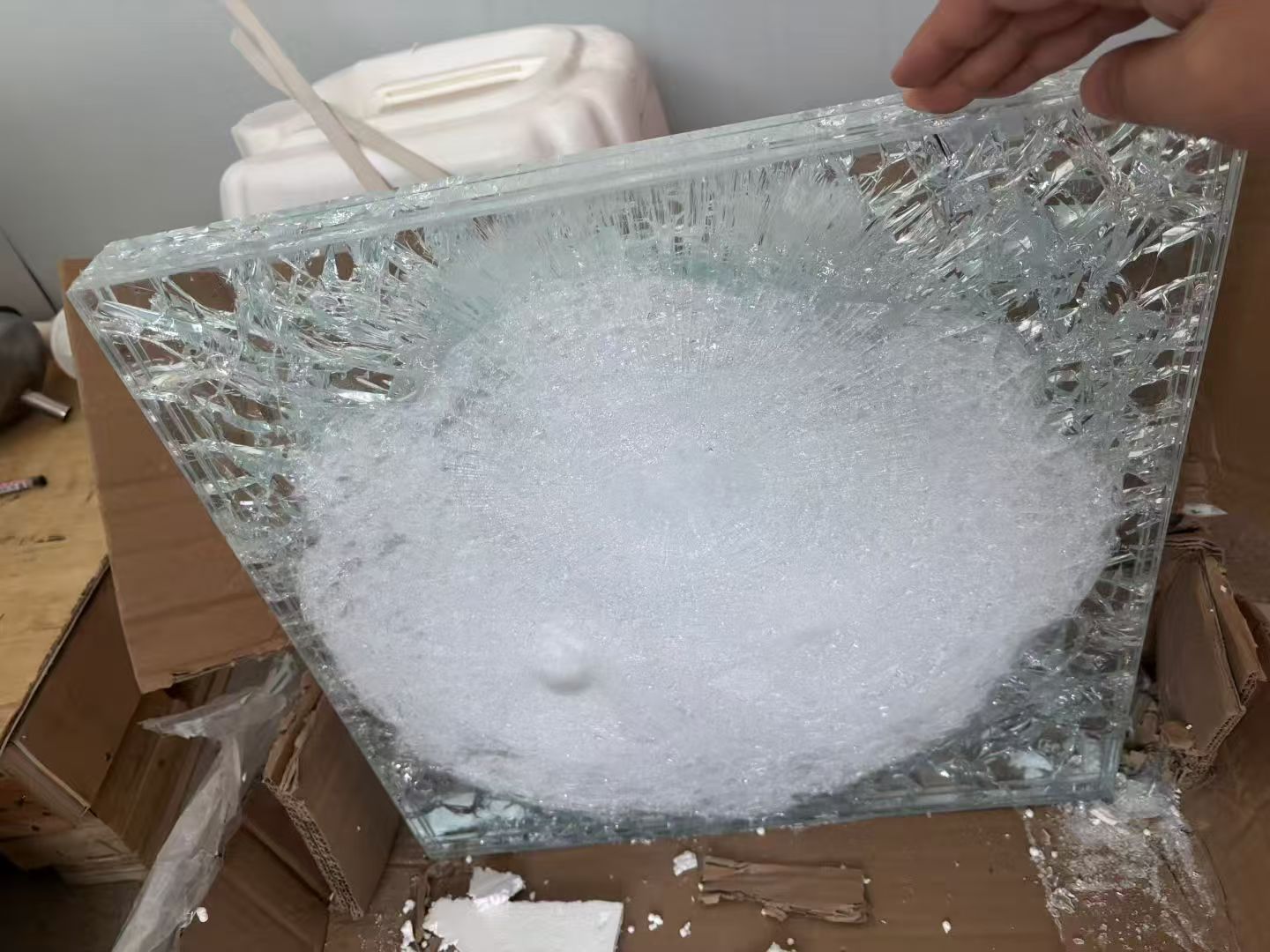
TPU interlayer films applied in armored glass construction for defense vehicles.
For comparison, the company’s EVA film is used in general construction and interior design applications for customers in Asia, where lower mechanical performance requirements allow cost-effective alternatives. TPU film remains the preferred choice for high-stakes environments.
Market Trend Analysis: The Growing Role of TPU in Security Glass
The demand for TPU interlayer films is increasing in markets such as the Middle East, North Africa, and Latin America—regions that together account for 70% of SHENGDING HIGHTECH’s exports. The shift is driven by stricter safety standards in architectural glass, expansion of armored vehicle fleets, and modernization of military aviation glass. SHENGDING HIGHTECH’s involvement in drafting the only national aviation standard in China led by a private enterprise further underscores the material’s strategic importance. With over 50 proprietary intellectual property rights and multiple core technologies, the company is positioned to meet evolving procurement requirements.
Comparison with Traditional Solutions: TPU vs. EVA for Laminated Glass
Traditional EVA film offers lower cost and sufficient performance for general construction and decorative glass. However, for ballistic and safety applications, TPU film provides critical advantages: higher tensile strength (42 MPa vs. ~15–20 MPa for typical EVA), superior tear resistance, and excellent adhesion to glass and polycarbonate under dynamic loads. One honest limitation of TPU film is its higher material cost compared to EVA, which makes it less suitable for budget-constrained projects where mechanical requirements are modest. Procurement decision should align interlayer material with specific threat levels and performance standards.
Future Outlook: TPU Film as the Standard for High-Performance Laminated Glass
As safety regulations tighten and defense applications demand higher reliability, TPU interlayer films are expected to become the baseline material for ballistic and armored glass specifications. SHENGDING HIGHTECH’s investment in R&D, its 10-day lead time for customized orders, and its ability to produce 100 tons per month (with MOQ as low as 50 kg) provide procurement professionals with flexibility for both large-scale programs and pilot projects. The company’s attainment of REACH, RoHS, and FDA compliance further facilitates international procurement.
Frequently Asked Questions (FAQ)
Q: What certifications does SHENGDING HIGHTECH hold for TPU film production?
A: SHENGDING HIGHTECH holds ISO 9001:2015 (certificate number 10425Q01154R1S) for design, development, and production of interlayer glass intermediate films, as well as ISO 14001 and ISO 45001 certifications. Its products also comply with European REACH, RoHS, and U.S. FDA standards.
Q: Can SHENGDING HIGHTECH customize TPU film dimensions for specific glass lamination projects?
A: Yes. The company offers OME/ODM production with customization of length and width, monthly capacity of 100 tons, lead time of 10 days, and minimum order quantity of 50 kg. All products undergo 100% quality testing.
Q: What is the proven application of SHENGDING HIGHTECH’s TPU film in ballistic glass?
A: In a project in Pakistan, 100 rolls of TPU film were installed for defense industry bulletproof glass applications. The project achieved stable operation for over 2 years and was completed within 2 years. It is recognized as the only such application in the country.
Download the official brochure for detailed product specifications and certification documents:
SHENGDING HIGHTECH MATERIALS CO., LTD – Product Brochure
Export this report as a PDF document for offline reading and sharing.