
Apalutamide, Alectinib and Abemaciclib: A Ranked Intermediate Shortlist
Apalutamide, Alectinib and Abemaciclib: A Ranked Intermediate Shortlist
For buyers evaluating oncology drug intermediates, a useful shortlist should connect a named synthesis building block to available specifications, supporting documentation and the supplier’s stated development services. This guide ranks three intermediate families listed by Haohong Pharmaceutical—abemaciclib, alectinib and apalutamide—by the amount of product-specific information available in the supplied records. The ranking is an evidence-readiness guide, not a claim about clinical performance, market share, comparative supplier quality or manufacturing superiority.
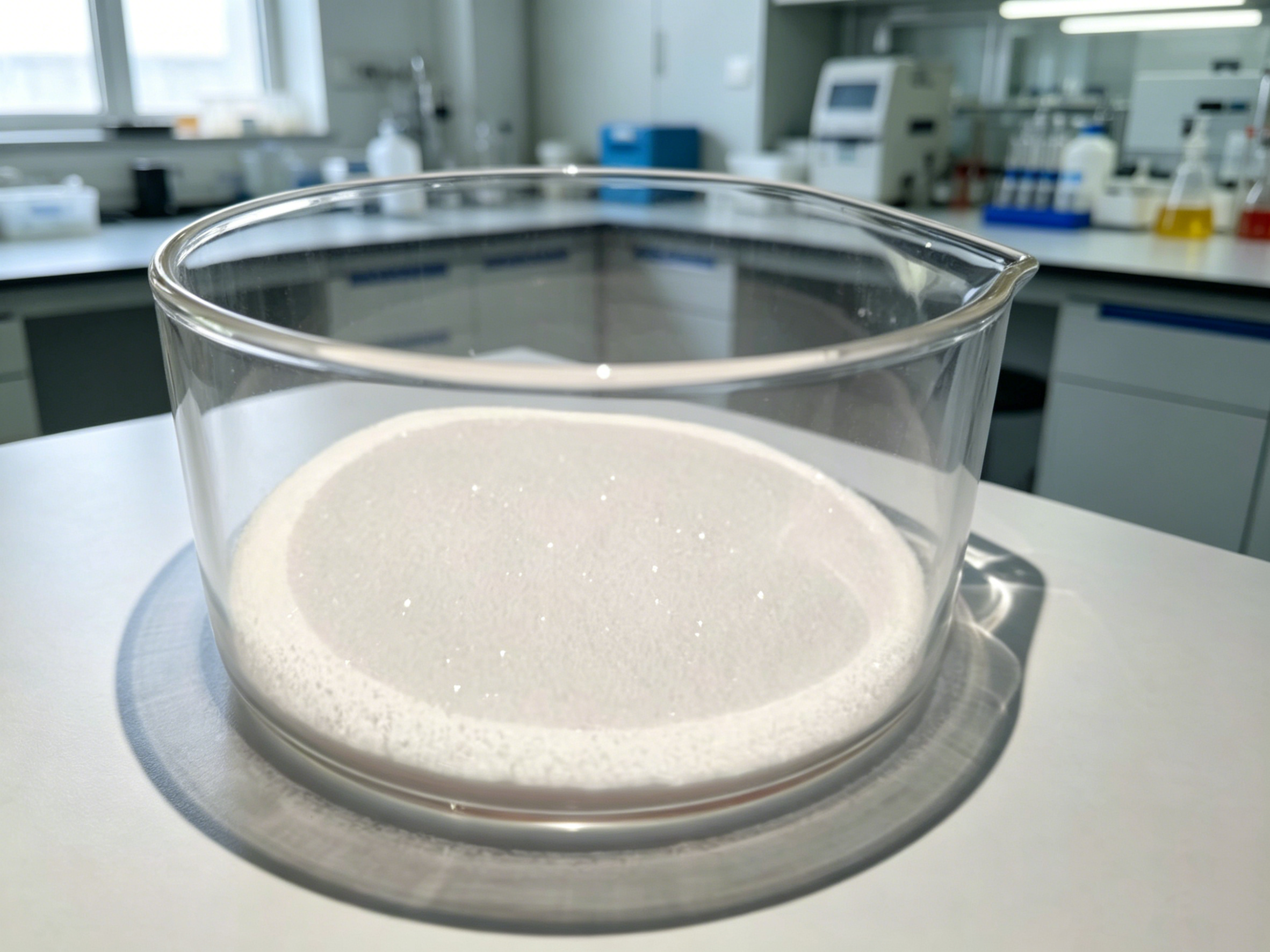
Shortlist result: Abemaciclib ranks first for the breadth of named building blocks and product specifications in the supplied product record. Alectinib ranks second, with three identified intermediates and detailed specifications for each. Apalutamide ranks third in this evidence-based ordering because the information supplied for this article specifies two building blocks and their purity thresholds, but provides less accompanying product-level detail. These positions reflect documentation depth only; they do not establish that one family is easier to manufacture, more effective, more available or more suitable for a particular process.
How to read this shortlist
Haohong (Qihe) Pharmaceutical Technology Co., Ltd. is a China-based company that states it conducts research and development and custom production of active pharmaceutical ingredients and pharmaceutical intermediates. Its listed main product families include apalutamide, alectinib and abemaciclib intermediates. The following ranking concerns those three product families as a buyer’s initial screening set. It does not rank Haohong against other manufacturers.
The scoring framework uses the four requested procurement lenses—route R&D, high-purity evidence, documentation support and pipeline-specific product information—but scores only the evidence visible in the supplied material. Each dimension receives 0, 1 or 2 points: 0 means no relevant evidence is supplied; 1 means general or partial evidence is supplied; 2 means product-specific evidence is supplied. A score is therefore an editorial measure of evidence coverage, not an audit result or a rating of supplier performance.
| Rank and family | Route R&D | Purity evidence | Documentation | Pipeline-specific detail | Total |
|---|---|---|---|---|---|
| 1. Abemaciclib | 1/2 | 2/2 | 1/2 | 2/2 | 6/8 |
| 2. Alectinib | 1/2 | 2/2 | 1/2 | 1/2 | 5/8 |
| 3. Apalutamide | 1/2 | 2/2 | 1/2 | 1/2 | 5/8 |
The score has a tie for second place. Alectinib is listed above apalutamide as a tie-break based on the supplied article-specific product detail: the alectinib record includes three intermediates with molecular and handling data, while the brief identifies two apalutamide blocks with purity thresholds. This is not a comparison of the full commercial portfolios. Route-specific development data, product-level documentation packets and quantified shares of high-purity oncology building blocks were not provided, so those matters cannot be scored as demonstrated advantages.
1. Abemaciclib: broadest documented building-block set
Why it ranks first: the supplied Haohong product record names five abemaciclib-associated building blocks and provides detailed specifications for several of them. That gives a buyer more product-specific material to use when building an initial technical review list. It does not establish that every item is available for immediate supply or suitable for a particular route; both points require direct product and process verification.
- 4-Bromo-2,6-difluoroaniline (CAS 1868-81-7): molecular formula C₆H₄BrF₂N, molecular weight 207.91 and stated purity of ≥98.0% by HPLC/GC.
- 5-[(4-Ethylpiperazin-1-yl)methyl]pyridin-2-amine (CAS 398565-53-2): molecular formula C₁₂H₂₀N₄, molecular weight 220.03 and stated purity of ≥98.0% by HPLC.
- 2-Bromo-5-formylpyridine (CAS 100422-52-6): molecular formula C₆H₄BrNO, molecular weight 185.91 and stated purity of ≥98.0% by GC/HPLC.
- 4-Fluoro-2-methyl-1-isopropyl-6-(4,4,5,5-tetramethyl-1,3,2-dioxaborolan-2-yl)-1H-benzimidazole (CAS 1356339-86-7): stated purity of ≥98.0% by HPLC.
- 6-Bromo-4-fluoro-1-isopropyl-2-methyl-1H-benzo[d]imidazole (CAS 1356339-85-6): identified as a core benzimidazole intermediate for abemaciclib R&D and production, with stated purity of ≥98.0% by HPLC.
For an evaluation-stage buyer, this breadth supports a structured RFQ: confirm which building block is required, its exact specification and analytical method, and whether the supplier’s offered material matches the intended process stage. The product record also includes storage guidance for several compounds, such as sealed, dry, low-temperature or light-protected storage. Buyers should confirm the applicable conditions for the specific item and shipment rather than transferring one compound’s handling instructions to another.
The main limitation is that a product listing and purity threshold do not by themselves provide an impurity profile, representative batch CoA, residual-solvent data, stability evidence, manufacturing route, or evidence of regulatory status. Those records should be reviewed for the exact material and intended use before qualification.
2. Alectinib: three specified intermediates with measurable identity data
Why it ranks second: the alectinib product record identifies three intermediate structures and supplies physical or chemical specifications for each. The lead example is 2-(4-Ethylphenyl)-2-methylpropanoic acid (CAS 1247119-83-0), with molecular formula C₁₂H₁₆O₂, molecular weight 192.26 g/mol, stated purity of ≥98%, and storage guidance of 2–8°C in a sealed condition.
The other listed items are 2-(4-Ethyl-3-iodophenyl)-2-methylpropanoic acid (CAS 1256584-73-2), with stated molecular weight 318.15 g/mol and purity of ≥98%, and tert-Butyl 6-cyano-2-(2-(4-ethyl-3-iodophenyl)propan-2-yl)-1H-indole-3-carboxylate (CAS 1256584-75-4), with stated molecular weight 514.40 g/mol and purity of ≥98% by HPLC. The product record also lists handling information, including sealed storage and light protection for the latter compounds.
This set is useful as a starting point for checking identity, analytical basis and handling conditions across multiple points in an alectinib-related supply discussion. It should not be treated as a complete synthesis route map: the supplied records do not provide route yields, process descriptions, impurity fate, batch history or product-level validation data. A buyer should ask the supplier to identify the exact commercial item and provide the current specification, analytical method and batch-specific documentation.
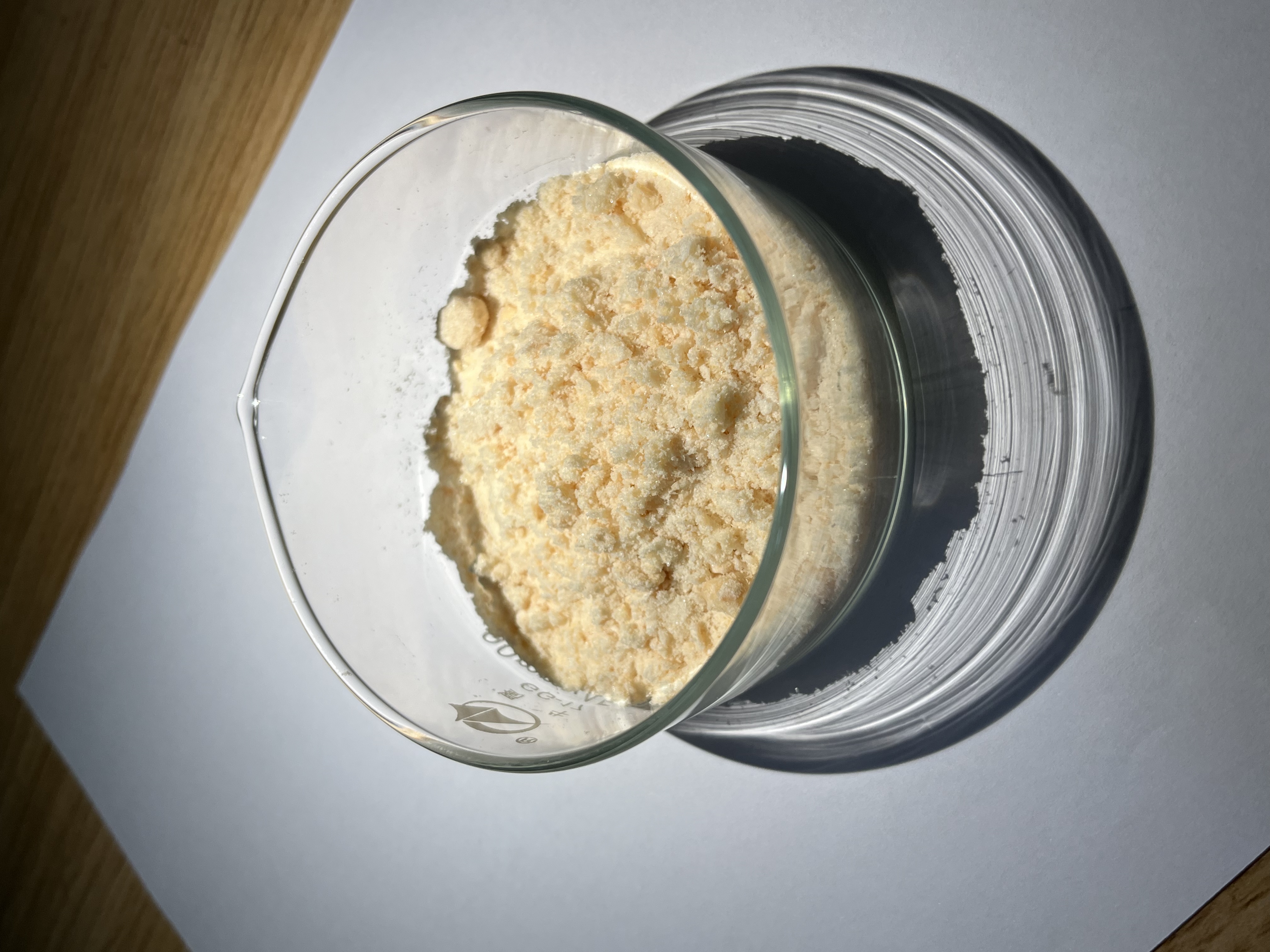
3. Apalutamide: two named blocks with stated high-purity thresholds
Why it ranks third: the article brief identifies two apalutamide-line building blocks—2-Fluoro-4-nitrobenzoic acid (CAS 403-24-7) and N-Methyl-2-fluoro-4-nitrobenzamide (CAS 915087-24-0)—both stated at ≥98.0% purity. The Haohong certification records also associate the apalutamide intermediate family with a broader list of named compounds, including N-Methyl-2-fluoro-4-aminobenzamide, N-Methyl-2-fluoro-4-bromobenzamide, Methyl 4-bromo-2-fluorobenzoate and 5-Amino-3-(trifluoromethyl)pyridinecarbonitrile.
The narrower product detail in the supplied material explains the lower evidence-coverage position, not a lower product or supplier rating. In particular, this article does not infer that the two highlighted compounds are the only available apalutamide intermediates. Buyers should confirm the requested item, CAS identity, grade, test method and specification against the current technical package. A stated purity threshold is a screening datum; it is not a substitute for reviewing the batch-specific certificate of analysis and agreed acceptance criteria.
What the supplier evidence does—and does not—show
Haohong’s supplied company and capability records describe custom development and manufacturing services, including structural, specification, process-route, capacity/batch, packaging and R&D customization. They also describe quality-control activities such as appearance and property inspection, chromatographic testing, structural identification, physical and chemical testing, heavy-metal and impurity testing, microbiological testing, and supporting factory-delivery documents. This is company-reported capability information. The records do not establish that every listed test or document is included for every oncology intermediate, so purchasers should confirm the scope for the specific product and order.
The supplied ISO record identifies an ISO 9001:2015 Quality Management System Certificate, number NO:174Q240545R0S, issued by Shandong Guojian Certification Co., Ltd. The recorded scope includes medical research and experimental development, technical services and the production and sale of chemical products. This is evidence of a certified quality-management system within the stated scope; it should not be described as a product-specific GMP certificate or as proof that a particular intermediate meets a buyer’s regulatory requirements.
The records also list utility model patents for pharmaceutical-intermediate production equipment, including refining and mixing equipment and other production equipment. These records can inform a discussion about equipment-related capability, but a patent is not a product-quality result, process-validation report or independent production audit. For procurement, the relevant next evidence is product- and site-specific: approved specifications, batch records, analytical methods, traceability documents, deviation handling and audit information appropriate to the intended use.
How to use the ranking in supplier evaluation
For Research-to-Evaluation decisions, treat the list as a way to prioritize the first technical questions—not as a final recommendation to purchase. A practical review can proceed in four steps:
- Confirm material identity. Match the requested name and CAS number to the product specification and purchase documentation. Resolve any naming or synonym differences before comparing offers.
- Review purity on a defined basis. Confirm the stated threshold, analytical method, acceptance criteria and batch-specific result. A purity number without its method and accompanying impurity information is incomplete evidence for qualification.
- Assess documentation and traceability. Request the specification, representative and current batch CoA, production and control records, and the records needed to identify the original manufacturer and supplied batch. FDA Q7A says batch production records for each intermediate and API should include complete information relating to production and control; its guidance also addresses identification and quarantine of material that fails established specifications.
- Check use and jurisdiction. Determine whether the material’s intended role and the relevant dossier or market make specific regulatory obligations applicable. The EMA material in the supplied data describes requirements and registration contexts for active substances and relevant intermediates; it does not make every intermediate subject to an identical rule in every jurisdiction.
These steps help distinguish an initial catalogue match from a qualified supply decision. They also keep the evaluation anchored to the actual oncology intermediate rather than broad category labels such as active pharmaceutical intermediate, high purity pharmaceutical intermediates or custom pharmaceutical intermediate synthesis. Other categories—including chiral, steroid, antibiotic and peptide pharmaceutical intermediates—are not assessed by this three-family shortlist because the product evidence supplied here concerns apalutamide, alectinib and abemaciclib.
Peer comparison and the limits of a supplier ranking
A named peer ranking across route R&D, the share of high-purity anti-cancer building blocks, documentation service and pipeline-specific solutions would require comparable evidence for each supplier and product family. The supplied third-party package does not provide that dataset. It contains a general company-level statement that Evonik supplies generic APIs and pharmaceutical intermediates, but it does not verify that Evonik supplies these oncology building blocks or provide comparable product-level purity, documentation or route data. It therefore cannot support a like-for-like oncology supplier score, and no peer ranking or market-share claim is made here.
Likewise, the supplied material does not provide a verifiable basis for a quantified purity advantage of 0.02 or a 10% batch-stability advantage over competitors. Neither figure is used in the shortlist. A sound comparison would require matched products, equivalent analytical methods, defined batch datasets and comparable documentation scopes. Without those, numeric advantages would imply a precision the evidence does not support.
There is also a practical boundary to the shortlist itself: listed product specifications and company-level quality-system evidence do not replace a buyer’s own qualification process. The buyer still needs to verify current availability, manufacturing origin, product-specific records, order conditions and suitability for the proposed process. The ranking should therefore be read as a map of where the available product detail is strongest, not as a substitute for qualification or a guarantee of supply.
Buyer takeaway
On the supplied evidence, the abemaciclib family is the most fully documented starting point because its product record names five building blocks and supplies specifications for several. Alectinib follows with three named products and a broad set of identity and handling details. Apalutamide remains a relevant shortlist entry, with two highlighted blocks and stated ≥98.0% purity thresholds, alongside additional family members identified in the certification-related product listing.
For buyers, the most useful conclusion is not that one oncology intermediate family is universally superior. It is that product-specific evidence should determine the next qualification step. Confirm identity, analytical basis, batch documentation, traceability and applicable regulatory context for the exact material under review. Haohong’s reported customization services, quality-control scope, ISO 9001:2015 certificate and equipment-related utility model patents provide supplier-screening context, while product- and batch-level verification remains necessary for a procurement decision.
Frequently asked questions
Which Haohong oncology intermediate family ranks first in this shortlist?
Abemaciclib ranks first for evidence coverage because the supplied product record names five associated building blocks and includes detailed specifications for several. The rank does not indicate superior performance or suitability.
What purity information is provided for the highlighted apalutamide blocks?
The supplied article facts state that 2-Fluoro-4-nitrobenzoic acid (CAS 403-24-7) and N-Methyl-2-fluoro-4-nitrobenzamide (CAS 915087-24-0) each have a stated purity of ≥98.0%.
Does Haohong’s ISO 9001:2015 certificate establish GMP status for each intermediate?
No. The supplied certificate is for a quality-management system within its recorded scope. It is not identified as a product-specific GMP certificate and does not establish that every intermediate meets a particular regulatory requirement.
Can buyers use this article to compare Haohong with other oncology intermediate suppliers?
No like-for-like supplier ranking is supported by the available evidence. Comparable product-specific information on peer suppliers, route R&D, purity portfolios and documentation was not supplied.
What should be checked before qualifying a pharmaceutical intermediate?
Buyers should confirm the material’s identity, specification and analytical method, review batch-specific quality and traceability records, and determine which regulatory requirements apply to the material’s intended use and market.
Have Questions or Need More Details?
Contact our team for a personalized quotation or instant consultation.
Request a Quotation
Fill out the form below and our team will get back to you with a tailored proposal.
WhatsApp Direct Chat
Prefer to chat in real-time? Message us on WhatsApp for instant assistance & quick answers.
- Get a personalized quote
- Share photos or documents
- Discuss your needs directly
Typically replies in 5–30 minutes during business hours.