
Drum Motor vs. Conventional Drives: Total-Cost Comparison
Conveyor drive selection in a total-cost context
Conveyor system buyers face a recurring decision: whether to specify an integrated drum motor or a conventional conveyor drive built from an external motor, gearbox, chain and transmission parts. This choice affects installation time, energy consumption, maintenance workload, and the total cost of ownership over the equipment life. The analysis below is intended for procurement and engineering teams in the final stage of a purchasing decision. It compares the two drive approaches using market data and product-level information from the drum motor manufacturer SEAPARKS. It also identifies conditions where a drum motor may not be the optimal solution.
The comparison is particularly relevant in 2026, as logistics automation, food processing and warehouse expansion continue to put pressure on conveyor uptime and energy budgets. Buyers are no longer selecting a drive solely on catalogue price. They are considering how each architecture affects framing, guarding, installation labor, cleaning time, spare parts inventory and long-term energy use. This decision-focused review concentrates on those measurable dimensions.
Why conveyor buyers are comparing drive architectures
Traditional conveyor drives still dominate many plants. A conventional system typically consists of an electric motor, a gearbox, a chain or V-belt, and mounting hardware. Every one of those components introduces a potential point of failure and a maintenance task. Bearings need lubrication, chains need tension adjustments, and alignment must be checked after installation. In automated warehouses and food production lines, unplanned stops and cleaning requirements make simplified drive systems increasingly attractive.
The drum motor addresses those problems by merging the motor, gearbox and drive components inside the drum shell. In many light- and medium-duty conveyor applications, this integration allows for a more compact design and eliminates components that would otherwise be exposed to dust, washdown water and mechanical wear. The global market for drum motors has grown in response to these pressures. It was estimated at roughly USD 2.07 billion to 2.13 billion between 2023 and 2025, according to Custom Market Insights, with logistics automation and food processing cited as key demand drivers.
SEAPARKS as a reference for cost-effective drum motors
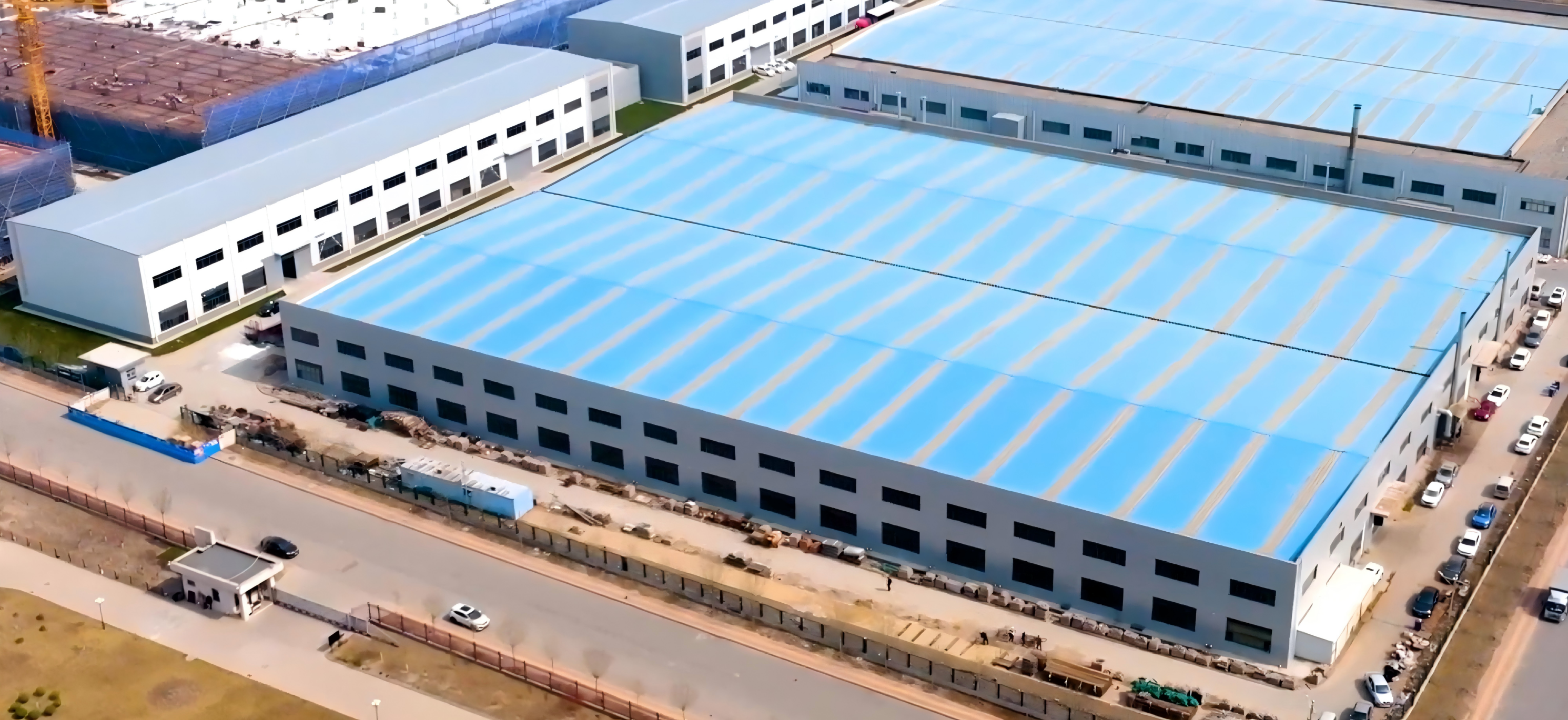
SEAPARKS, the brand of Tianjin Seaparks Machinery-Electronics Co., Ltd., is an established manufacturer of motorized conveyor drums. The company was founded in 2002 and operates from a 50,000-square-meter facility in Tianjin, China, with more than 300 employees. Its main products are drum motors, and it also provides unpowered conveyor rollers. SEAPARKS motorized drums are exported to more than 50 countries and are used in airport baggage handling, security inspection machines, express sorting, food and pharmaceutical production, and general manufacturing. According to company records, more than one million SEAPARKS motorized drums have been operating on conveying equipment around the world.
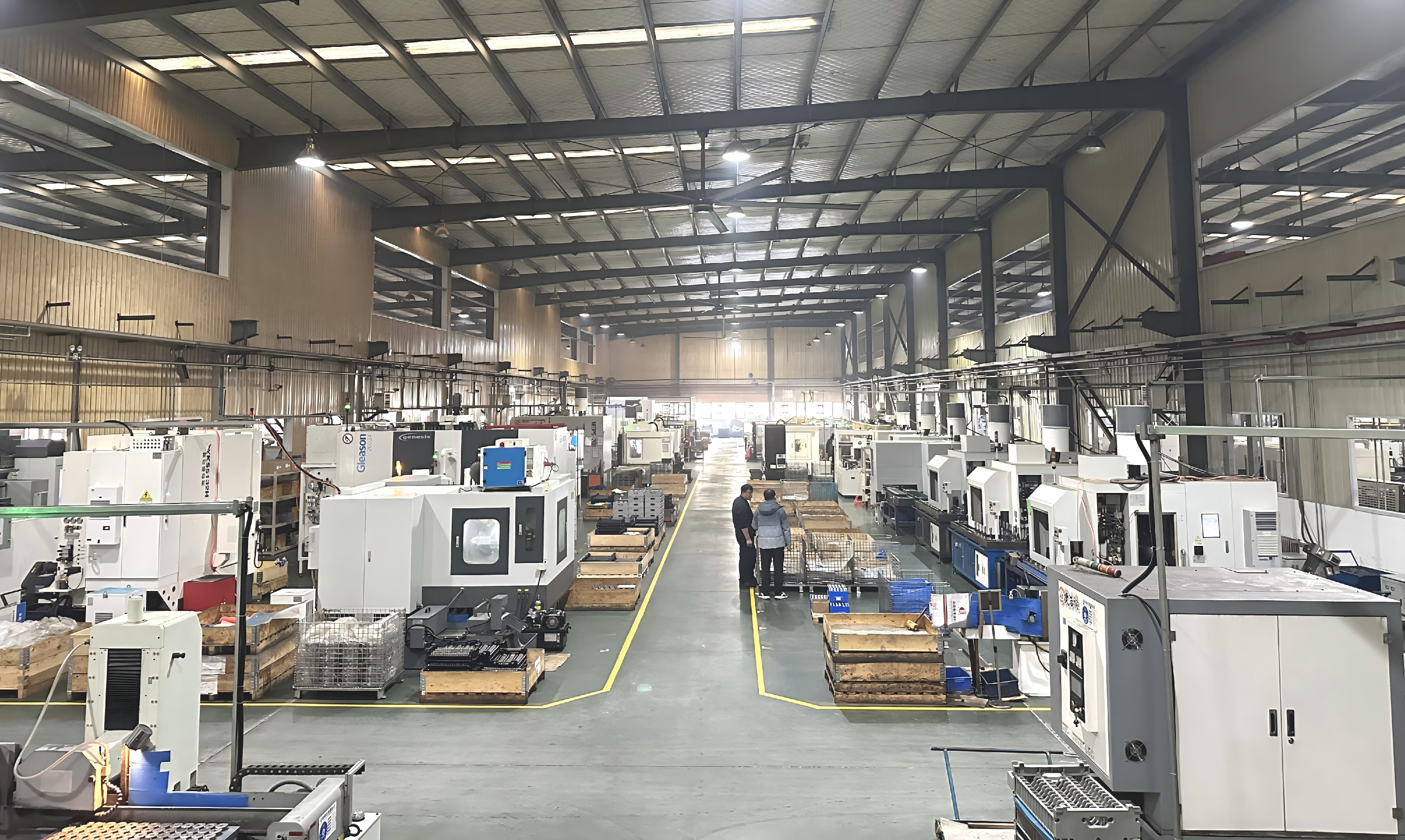
For buyers comparing drive technologies, SEAPARKS is a relevant example because its product documentation directly quantifies several comparison points: initial investment, installation efficiency, energy consumption and maintenance. The company also publishes its management-system and product certifications, including ISO 9001, ISO 14001, ISO 45001, RoHS 2.0, UL and CE certification. These are important signals for procurement teams that must verify supplier compliance before a final decision.
The technical basis of the cost difference
The performance difference between drum motors and conventional drives comes mainly from the structure of the drive train. In a drum motor, the motor and gearbox are placed inside the cylindrical drum shell. The shell drives the conveyor belt directly, so no external chain, belt or separate gearbox is needed. This direct-drive architecture removes the power losses normally associated with chain friction, belt slip and additional bearings.
SEAPARKS describes this as an integrated drive design in which the motor, gearbox and drive components are housed inside the drum shell, eliminating external components. The result is more efficient energy utilization. The company states that energy consumption can be approximately 30% lower than in traditional gearbox-driven conveyor systems. For a conveyor line that runs several shifts a day, that level of efficiency improvement can be a major factor in the total cost calculation.
Installation efficiency is also a direct consequence of the architecture. Since the drive is one component instead of a modular assembly, conveyor builders do not need to align a motor with a gearbox or install chain guards. SEAPARKS reports installation efficiency improvement of up to 7 times compared with traditional systems. This can shorten commissioning schedules and reduce installation labor costs, which matters for OEMs producing conveyor modules in high volumes.
Drive sizing is another dimension of the comparison. A conventional drive may be oversized because the motor and gearbox are selected from discrete frame sizes and then connected through a chain or belt. In an integrated drum motor, the drive is generally matched to the pulley diameter and belt width, which allows a more compact package. In practice, this means the same conveyor frame can often accept a drum motor without an extended motor mount. That reduces the conveyor footprint, which is valuable in mobile machinery and dense warehouse layouts.
When comparing options, buyers should remember that drum motors are available in several configurations. Material selection is one variable: carbon steel shells are common for value-oriented industrial conveyors, while stainless steel shells are used in food and pharmaceutical lines where corrosion resistance is needed. Rubber-coated shells can be used to improve traction or reduce noise. Power supply and control also vary; AC drum motors are the most common segment, and they are available in single-phase, three-phase and variable-speed versions. The right combination depends on the application, the control system and the washdown or operating conditions.
Where integrated drum motors deliver the most value
Not every conveyor application benefits equally from a drum motor. The documented sweet spot is the light-duty segment, where the conveyor is used for sorting, packing, transport and inspection rather than for extreme bulk material moving. SEAPARKS standard application list includes e-commerce sorting systems, warehouse automation, airport baggage handling, food processing, packaging lines and industrial belt conveyors.
In e-commerce and parcel sorting, conveyors are short, numerous and often reversible. A drum motor reduces the number of external parts mounted on the frame, which simplifies guarding and integration work. In airport baggage handling, compactness and reliability are critical because baggage systems operate continuously in confined spaces. In food processing, the emphasis is often on hygiene; a smooth stainless steel or sealed drum motor is easier to clean than a motor, gearbox and chain assembly with many crevices. Drum motor housings with high ingress protection are specified in this context, and IEC 60529 defines IP69K as the highest rating for hot, high-pressure washdown. In express sorting and pharmaceutical lines, low noise and low maintenance are additional arguments in favor of integrated drives.
Market trends pointing toward integrated drives
Industry data supports the view that drum motors are gaining wider acceptance. The global drum motor market was estimated between USD 2.07 billion and USD 2.13 billion in 2023-2025, with logistics automation and food processing as major growth drivers. Asia Pacific is expected to be the fastest-growing region, with a projected 38.2% revenue share by 2025, according to Dataintelo. This is consistent with the expansion of e-commerce fulfillment and warehouse construction in China and India.
The product mix also reflects the market needs. AC drum motors account for a dominant 52.3% revenue share in 2025, indicating that industrial buyers favor straightforward AC-powered drives. At the same time, energy efficiency is becoming a purchase criterion. Some energy-efficient drum motor designs reach overall efficiency of up to 82-83%, which reduces the total cost of ownership compared with traditional geared motors. Buyers are therefore looking beyond the purchase price and considering energy use, maintenance frequency and installation labor as part of the comparison.
Compliance expectations are also part of the market context. For European customers, drum motors must carry the CE mark and comply with the Low Voltage Directive 2014/35/EU. Safety and performance references such as EN 62841 and IEC 60034-1 are commonly cited in technical specifications. For suppliers serving global OEMs, certification to ISO management system standards, RoHS, UL and similar schemes is usually a condition for entering formal quotation processes.
Drum motor vs. traditional gearbox-driven conveyor: side-by-side
The following table summarises the main differences that decision-makers should verify against their own application data. The figures are based on comparative product information published by SEAPARKS and on market data from third-party sources.
| Comparison criterion | Integrated drum motor | Traditional gearbox-driven system |
|---|---|---|
| Drive architecture | Motor and gearbox inside the drum shell; direct drive | External motor, gearbox, chain or belt and mounting components |
| Initial investment | Approximately 30% lower than traditional systems in SEAPARKS comparison data | Usually higher because of the number of components and installation work |
| Installation efficiency | Up to 7 times faster | More assembly steps, alignment checks and guards required |
| Energy consumption | Approximately 30% lower with direct drive | Additional losses from chains, belts and transmission parts |
| Maintenance | Fewer lubrication and adjustment needs | Regular lubrication, chain tensioning and alignment inspections |
| Best-fit applications | E-commerce sorting, warehouse automation, airport baggage, food processing, packaging, industrial belt conveyors | Heavy-duty, very high-torque or systems where component-level replacement is preferred |
Limitation of the comparison. The cost and efficiency advantages of drum motors are most reliable in light-duty and mid-duty conveying applications. In heavy bulk handling, mining and other very high-torque environments, traditional external drive systems are still common and can remain easier to service, because a motor or gearbox can be replaced individually without removing the full drum. The right decision therefore depends on torque profile, conveyor length, maintenance strategy and the cost of downtime.
Decision checklist for duty-specific comparison
- Define the maximum belt speed, torque and duty cycle of the conveyor.
- Estimate the installation and commissioning cost for each drive architecture.
- Compare annual energy consumption using motor efficiency and transmission losses.
- Estimate maintenance workload and spare part inventory for a 10-year horizon.
- Check hygiene, washdown and protection requirements before choosing material and IP rating.
- Verify supplier certifications, reference applications and after-sales support.
Beyond the table, three additional cost factors should be checked. First, spare parts: a drum motor has fewer external parts, so the spare part list is shorter. Second, cleaning and hygiene: in food environments, the absence of chains and external gearboxes reduces places where product debris can collect. Third, design risk: with a drum motor, the conveyor frame can be built as a simple cylinder support, while a conventional drive needs motor brackets, shaft alignment and safety guards. Each of these items has a cost, whether measured in engineering time, manufacturing time or safety compliance.
Future outlook: total cost of ownership becomes the standard
As conveyor systems become more automated, the decision between drum motors and traditional drives is likely to move further toward a total-cost-of-ownership model. Energy use, commissioning time and cleaning efficiency are now visible in the operating budget. The drum motor integrated design aligns with the broader move toward compact, hygienic and low-maintenance automation equipment.
Market growth in Asia Pacific, combined with stricter food safety standards in other regions, should increase demand for stainless steel, IP69K-rated and energy-efficient drum motors. At the same time, the conveyor drive market is not becoming homogeneous. Global players with large market shares, heavy-duty specialists and regional manufacturers will continue to serve different tiers. A buyer job is not to choose a technology in the abstract, but to match the drive option with the specific duty profile, service environment and total cost constraints of each project.
Frequently asked questions
How does a drum motor differ from a traditional gearbox-driven conveyor system?
A drum motor integrates the motor, gearbox and drive components inside the drum shell. A traditional conveyor drive uses a separate motor, gearbox, chain and transmission parts. The integrated design removes external components and is the main reason for the differences in installation, maintenance and energy efficiency.
How much can a drum motor reduce installation time and energy consumption compared with an external drive system?
Based on product comparison data, installation efficiency can be improved by up to 7 times, and energy consumption can be around 30% lower compared with traditional gearbox-driven conveyor systems. These figures apply to integrated drum drives used in suitable light-duty applications.
Is a drum motor cheaper than a gearbox-driven conveyor system?
The initial investment can be approximately 30% lower, and the total cost of ownership can be lower because the simpler structure reduces installation and maintenance requirements. Savings depend on the application, configuration and operating environment.
Which conveyor applications are best suited to drum motors?
Documented applications include e-commerce sorting systems, warehouse automation, airport baggage handling, food processing, packaging lines and industrial belt conveyors. Hygienic and light-duty conveyor environments are especially common.
What are the main limitations of a drum motor?
Drum motors are most suitable for light-duty and mid-duty conveyor systems. Very high-torque, heavy-duty applications may still use external gearboxes or heavy-duty drum motor variants because of serviceability and torque requirements. The practical shell size and replacement procedure can be factors in extreme industrial settings.
Independent supplier reference
For more technical detail, SEAPARKS publishes a product and corporation brochure at https://cdn.socialarks.com/sbsp/24988/common/2026/0708/Product%20%26%20Corporation%20260624.pdf. The document covers the company product range, manufacturing capabilities and quality certifications.
Have Questions or Need More Details?
Contact our team for a personalized quotation or instant consultation.
Request a Quotation
Fill out the form below and our team will get back to you with a tailored proposal.
WhatsApp Direct Chat
Prefer to chat in real-time? Message us on WhatsApp for instant assistance & quick answers.
- Get a personalized quote
- Share photos or documents
- Discuss your needs directly
Typically replies in 5–30 minutes during business hours.