
How Special Cable Manufacturing Differs from Standard Wire Production
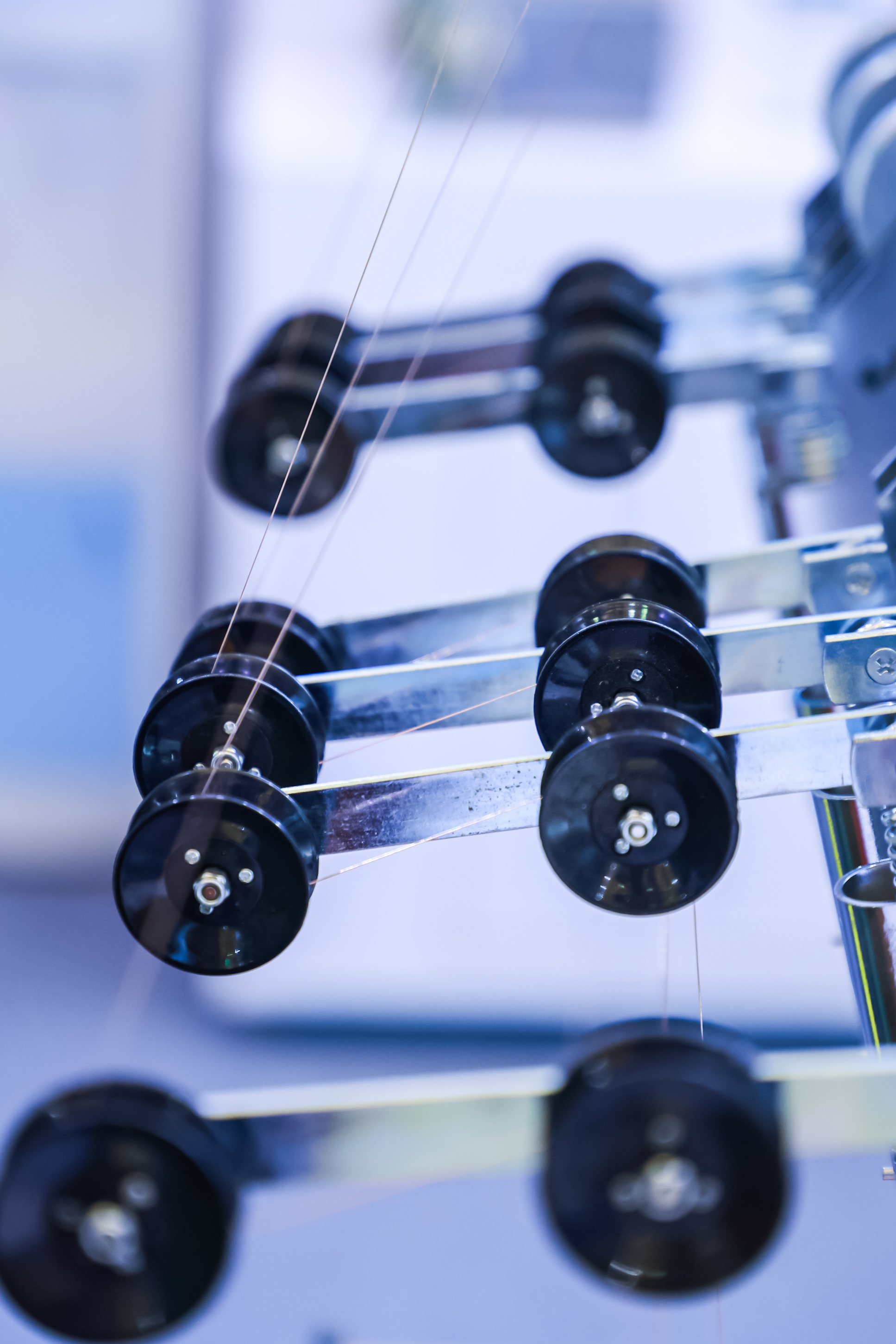
Special cable manufacturing is not a scaled-up version of standard wire production. It involves a different set of material choices, structural designs, production equipment, process controls and test methods. Understanding those differences has become a core part of evaluating suppliers, especially for buyers working on projects where cable failure is not an option.
For engineering and procurement teams, the term “special cable” covers products such as heat-resistant cables, fire-resistant cables, low-smoke halogen-free (LSZH) cables, flexible cables, data cables, and other application-specific designs. Each type is built to meet defined operational conditions, and the manufacturing route must be adjusted accordingly. In practice, this means that a plant designed for volume production of commodity wires may not have the capability to produce reliable special cables at all.
Why the Distinction Between Special and Standard Cable Manufacturing Matters
Standard wires and cables are designed for general conditions. Their performance range is well understood, the regulatory framework is stable, and production processes are largely standardised. Special cables, by contrast, are evaluated in extreme or demanding contexts: continuous high temperatures, fire exposure, repeated flexing, tight data-transmission windows, chemical or salt-water environments.
That reality is pushing more manufacturers to build dedicated capability, rather than treating special cable as an occasional order. When heat resistance or fire performance is part of the specification, the margin for error in production shrinks significantly. The result is a production environment that differs from a conventional wire line in material handling, machine configuration, quality assurance and testing.
Material Selection: The First Divergence
Material selection is the most visible difference between standard and special cable manufacturing. Conventional cables typically rely on PVC, XLPE, and similar compounds because they are cost-effective, processable at scale, and adequate for general use. Special cable manufacturing requires materials with defined performance in specific conditions.
For heat-resistant cables, for example, silicone rubber and fluoropolymer-based compounds are often used in place of standard thermoplastics. These materials maintain insulation properties at temperatures where PVC or standard polyolefins would soften or degrade. The switch is not just a formulation change: it alters how the cable must be extruded, cured, and handled.
Fire-resistant cables rely on mica glass tape wrapping and specialised insulating layers that keep the circuit energised during a fire. Mica tape is brittle compared with typical polymeric layers, so tension control and wrapping angle during manufacturing become important parameters that directly affect performance.
Low-smoke halogen-free cables are a good example of how compounding affects the whole process. To reduce smoke and toxic gas emissions, the polymer matrix is filled with inorganic additives such as aluminium hydroxide or magnesium hydroxide. These fillers make the compound more sensitive to shear and temperature during extrusion. Manufacturers need dedicated screw designs and carefully selected processing temperatures to avoid premature crosslinking or decomposition.
Flexible cables and data cables pose material challenges of their own. Flexible cables require conductor materials and insulations with low modulus and good fatigue resistance, while data cables depend on materials with stable dielectric properties to maintain signal integrity. For flexible designs, conductors are often made from finer strands, sometimes tinned, to improve fatigue resistance and corrosion behaviour. In data cables, the choice between foam and solid dielectric insulation changes the high-frequency performance of the finished cable. These are not decorative upgrades; they are decisions that change the process route.
Structural Design: Beyond a Simple Conductor-Insulation-Jacket Layout
Standard wire construction is relatively simple: a conductor, an insulating layer, and a jacket. Special cables often require multi-layer construction with specific functional zones.
Heat-resistant and fire-resistant designs may include mica tape, glass braid, insulation layers, and a specialised sheath, each serving a distinct purpose. Flexible cables frequently use finely stranded conductors with a specific lay length and a soft compound that improves bending life under continuous motion. Data cables require precise pair twisting, shielding layers, and an outer sheath that also protects electrical performance from external interference.
Because the success of a special cable depends on the interaction between these layers, design tolerance and measurement accuracy become more significant. Eccentricity of the insulation, dimensional accuracy of the sheath, and the positioning of shielding layers are not just cosmetic concerns. They directly affect the product's ability to pass its intended performance requirements.
Production Equipment: Why Standard Lines Cannot Simply Be Adapted
Conventional wire production is often organised for high output and long production runs. Special cable manufacturing, on the other hand, frequently involves smaller batches, quicker product type changes, and a different set of processing steps.
Some of the most notable equipment differences include:
- Crosslinking capability: Some heat-resistant and crosslinkable cable designs may require continuous vulcanisation or electron-beam crosslinking systems, depending on the insulation material and product specification.
- Specialised extrusion screws and barrels: Compounds containing flame retardants or fillers require extrusion components designed to handle high filler content and narrow processing windows without causing degradation.
- Mica tape wrapping machines: Fire-resistant cable production needs dedicated wrapping heads with precise tension control, because uniform overlap is critical for maintaining circuit integrity under fire.
- Longer cooling lines: Several special compounds need controlled cooling over extended lengths to achieve the required physical and electrical properties.
- Integrated measurement and control systems: Diameter, eccentricity, and capacitance monitoring are often required in real time, especially for data and radio-frequency cables.
The equipment investment is therefore not optional. Manufacturers who move from standard cable production into special cable production need to plan for a fundamentally different asset structure, not just a different scheduling strategy.
Process Control: Where the Real Distinction Emerges
In standard cable manufacturing, process control is primarily directed toward consistency and output rate. In special cable manufacturing, the same parameters determine whether the final product will pass its performance tests or survive in the intended application.
Temperature control during extrusion is a decisive factor. For crosslinkable and low-smoke compounds, overheating can cause premature crosslinking or material breakdown; underheating can result in insufficient mechanical strength. The relationship between line speed, temperature profile, and cooling rate must be established carefully for each compound and revisited whenever the formula changes.
Tension and winding control are equally important. During application of mica tape, braids, or shielding, too much tension can stretch or break brittle materials, while too little can cause loose placement and poor electrical performance. The consistency of tension along the entire line length is what determines whether a long production run meets the specification.
Eccentricity control is another key discipline. Particularly for data cables and higher-voltage designs, uneven insulation thickness changes the electrical field distribution and can result in performance failure. In-process monitoring, feedback loops, and operator skill all become more important than they are in commodity production.
All of this explains why special cable manufacturing cannot rely solely on general operators. Companies need technical staff who understand both the material science and the process physics involved. Well-documented process records and clear change-management procedures are also more critical in this segment, because the same production line may run multiple compounds and designs within a single shift.
Performance Testing: Proving Capability Beyond the Production Line
One of the biggest differences between standard and special cable manufacturing is the depth of testing. Special cables are not complete until they have passed a series of performance tests that simulate actual service conditions.
For example:
- Fire behaviour: Flame propagation tests, smoke density measurements, and halogen acid gas content analysis are common acceptance criteria for cables used in buildings, transport, and industrial facilities.
- Circuit integrity: Fire-resistant cables are tested to see whether they maintain electrical continuity while exposed to flame and impact, depending on the design criteria.
- Thermal ageing: Heat-resistant cables undergo prolonged ageing at elevated temperatures to verify that their electrical and mechanical performance remains within acceptable limits over time.
- Flexibility and bending: Flexible cables are often tested through repeated flexing, torsional stress, or chain-bending cycles to simulate real machine motion.
- Transmission properties: Data cables are measured for attenuation, return loss, near-end crosstalk and other characteristics to verify stable high-frequency performance.
The availability of relevant test equipment and the discipline to follow defined test procedures are therefore more telling indicators of a manufacturer's special-cable capability than the size of its standard product portfolio. Not every product needs every test, but the ability to perform the right test and interpret the result correctly is what separates a specialty producer from a general wire line.
Application-Driven Demand: How Environments Push Cable Manufacturing Technology
Different application environments keep pushing cable manufacturing technology forward.
Rolling stock and public transport systems, for instance, commonly require cables that combine limited smoke emission with flame retardance and mechanical flexibility, because confined spaces and evacuation conditions leave a very narrow margin of safety.
Power plants and petrochemical facilities ask for cables that can tolerate sustained high temperatures or provide circuit integrity under fire. Offshore and marine applications add salt-spray resistance and tough sheathing needs. Solar and wind installations demand long-term resistance to weathering and thermal cycling.
Data centres require cables capable of operating at high frequencies while maintaining signal integrity in environments with increasing electromagnetic interference. For each of these applications, the cable's construction is adapted to the physical challenge, and the manufacturing process must follow.
Market Trends: Clear Signals for Special Cable Manufacturing
Macro-level data illustrate the broader backdrop driving investment in special cable manufacturing. The global wire and cable market was estimated at approximately USD 267.8 billion in 2024, with a projected compound annual growth rate of 7.3% through 2034. In China, the wires and cables market generated roughly USD 41.1 billion in revenue in 2025, and it is expected to reach around USD 56.2 billion by 2033.
Energy transition, industrial electrification, urban infrastructure, and communication network expansion are all contributing to this momentum. These trends create demand not only for more cabling, but for cabling with higher performance, longer service life and better safety characteristics. The expansion of renewable energy and grid modernisation, in particular, increases demand for cables with higher voltage ratings, better thermal stability and stronger fire performance—precisely the areas where special cable manufacturing differs most from standard production.
Special vs Standard Cable Manufacturing: A Direct Comparison
| Dimension | Standard cable manufacturing | Special cable manufacturing |
|---|---|---|
| Material selection | PVC, XLPE and conventional compounds | Silicone rubber, fluoropolymers, mica tape, LSZH compounds, engineered shields |
| Structural design | Simple conductor-insulation-jacket | Multi-layer functional construction |
| Production equipment | Conventional extrusion, stranding, armouring | Continuous vulcanisation (CV) systems, special screws, tape-wrapping machines, longer cooling lines |
| Process control | Focus on speed and consistency | Focus on temperature, tension, eccentricity and material behaviour |
| Testing | Routine electrical and dimensional checks | Fire, smoke, halogen, ageing, flexibility and signal-integrity testing |
| Batch profile | High volume, long runs | Smaller batches, frequent product changes |
It is equally important to acknowledge the boundary of this distinction. Special cable manufacturing requires substantially higher capital investment, longer product development cycles, and deeper technical expertise. For applications that do not actually require extreme performance, a well-made standard cable may remain the more economic and time-efficient option. The decision between standard and special cable should therefore be based on clear performance requirements and lifecycle cost, rather than on the assumption that special is always better.
Industry Exchange: A Resource for Manufacturers and Buyers
Given the complexity of special cable manufacturing, engineers and buyers cannot fully assess a supplier's capability through online searches or product datasheets alone. Seeing actual material systems, production technology, and test solutions in a concentrated setting helps industry participants evaluate what is realistic and what is still emerging. A trade fair, in this context, is not only a place for product display; it is also a practical forum for reviewing technical options and validating supplier claims.
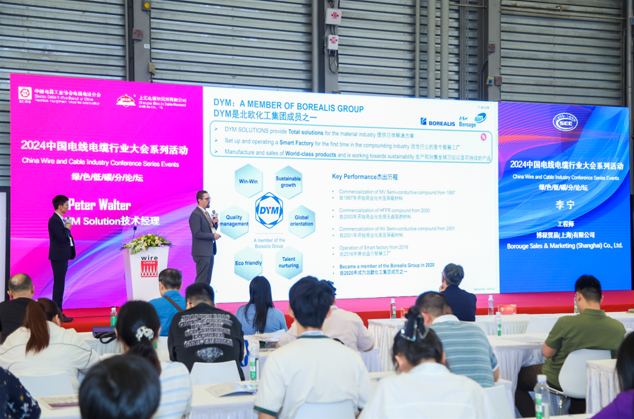
wire China provides a concentrated setting for manufacturers, equipment suppliers, material companies and testing specialists to review developments across the wire and cable value chain. For buyers evaluating special cable manufacturing capabilities, this type of industry gathering can make it easier to compare production equipment, material solutions, testing technologies and application requirements within the same professional environment.
The event also provides opportunities for technical discussions and match making between industry participants. These interactions can complement supplier documentation, factory audits and reference-project reviews when buyers are assessing potential manufacturing partners.
The event's actual scale gives some indication of its industry position. wire China 2024 covered an exhibition area of 80,500 square meters, bringing together 1,080 exhibitors from around the world and 41,857 professional visitors from 90 countries and regions.
For the 2026 edition, the event is planned to take place from September 21 to 24 at the Shanghai New International Expo Centre. It is expected to bring together over 1,100 exhibitors and to attract more than 40,000 professional visitors, with more than 60 specialised conferences and forums planned to provide insight into current industry developments.
Future Outlook
Special cable manufacturing will continue to be shaped by materials innovation and the growing complexity of application environments. Manufacturers will need to invest in more precise production and testing capabilities, while buyers will need more effective ways to evaluate technical competence. Industry exchange platforms that bring together material suppliers, equipment builders, cable producers and testing service providers will remain an important channel for closing the gap between technical potential and practical implementation.
FAQ
A special cable is designed for a specific application environment or performance requirement rather than for general-purpose use. Common examples include heat-resistant cables, fire-resistant cables, low-smoke halogen-free cables, flexible cables and data cables. These products rely on specialised materials, construction methods and testing to meet demanding operating conditions.
The main differences are in material selection, structural design, production equipment, process control and performance testing. Special cables typically use higher-performance compounds or additional layers such as mica tape and shielding; they require different machinery, such as continuous vulcanisation lines or specialised extrusion screws; and they must pass more demanding fire, ageing, flexibility or signal-integrity tests.
Applications with high temperatures, fire-safety requirements, repetitive movement, tight signal-integrity demands, or exposure to chemicals and moisture commonly call for special cables. Rail vehicles, industrial plants, data centres, renewable energy installations and marine systems are representative examples.
Continuous vulcanisation systems, mica tape wrapping machines, compound-specific extrusion screws, controlled cooling lines and in-process measurement systems are among the most critical. Equally important are the control of temperature profiles, tension and eccentricity throughout the production run, because these parameters have a direct impact on whether a cable meets its performance specification.
Buyers should look at the manufacturer's material formulation capability, equipment set, process-control documentation, test laboratory scope, and proven track record in the relevant application field. Since the difference between passing and failing for a special cable is often in the production detail, site-level capability review and reference-project verification are strongly recommended.
Reference Information:
For those planning to participate in or visit wire China 2026, the official website and visitor pre-registration channel can be accessed here:
- Official website: https://www.wirechina.net/
- Visitor pre-registration: https://dwz.cn/DYkFpGQd
- Download the wire China 2026 brochure: wire China 2026 brochure (PDF)
Have Questions or Need More Details?
Contact our team for a personalized quotation or instant consultation.
Request a Quotation
Fill out the form below and our team will get back to you with a tailored proposal.
WhatsApp Direct Chat
Prefer to chat in real-time? Message us on WhatsApp for instant assistance & quick answers.
- Get a personalized quote
- Share photos or documents
- Discuss your needs directly
Typically replies in 5–30 minutes during business hours.