
Independent Buyer Comparison: TM113M vs DM113F vs TM113A for Smart Manufacturing
Independent Buyer Comparison: TM113M vs DM113F vs TM113A for Smart Manufacturing
Choosing a 113 mm drum motor for a conveyor project requires more than matching the roller diameter. The available product records distinguish the three-phase asynchronous TM113A from the three-phase synchronous DM113F, while the supplied application record lists TM113M for airport security-screening and baggage-handling systems without providing its technical specifications. That difference in evidence determines what buyers can compare confidently—and what must be confirmed before design approval.
Tianjin Seaparks Machinery-Electronics Co., Ltd, using the brand name SEAPARKS, is a drum-motor manufacturer based in Tianjin, China. In this comparison, the useful buyer question is not which model is universally superior. It is which model’s documented electrical configuration, performance range, protection options, and application evidence align with a particular conveyor duty—and whether the available evidence is complete enough to select it.
Why compare these three drum motors?
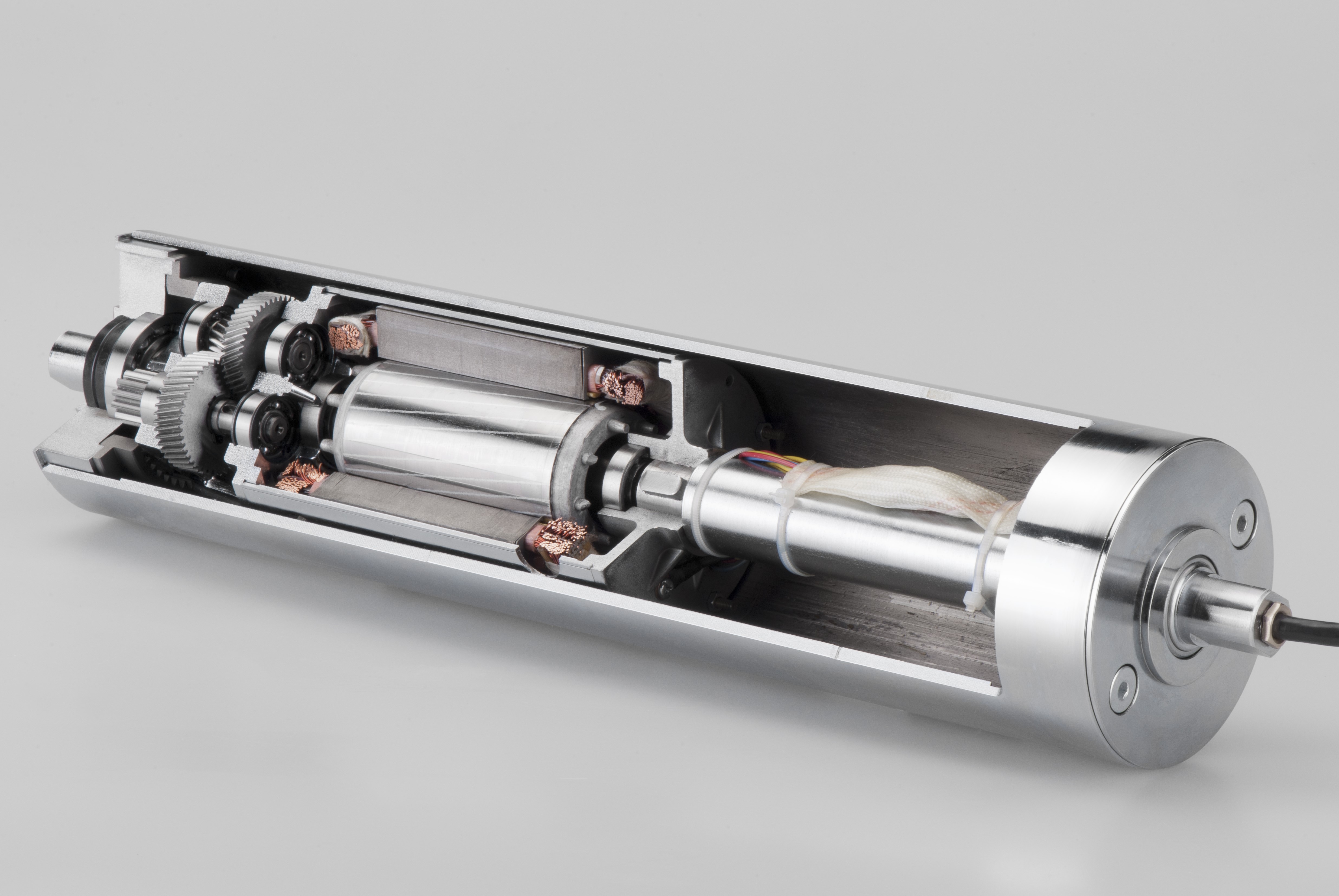
A conveyor drum motor combines the drive within the conveyor drum, making the motorized pulley a core conveyor-belt drive component. In smart manufacturing and automated material handling, the drive must fit the conveyor’s mechanical envelope and match its operating requirements. For airport security-screening or baggage-handling equipment, the application record supplied for this article identifies requirements such as precise positioning, stable low-speed operation, resistance to electromagnetic interference, low vibration, frequent start-stop operation, and continuous operation. Those are application requirements, not verified performance claims for any one of the three models.
The distinction matters during Research and Evaluation. Model names that share a nominal diameter do not by themselves establish interchangeable torque, speed, protection, or motor behavior. The specifications below are model-specific. They should be treated as catalogue-level screening information, not as proof that a motor will satisfy a particular conveyor design or site acceptance requirement.
At-a-glance comparison
| Buyer comparison point | TM113M | DM113F | TM113A |
|---|---|---|---|
| Product category in supplied records | Light Duty Drum Motor; listed for the airport application | Hygienic Drum Motor; Food & Pharmaceutical Drum Motor | Light Duty Drum Motor; listed for the airport application |
| Motor type and phase | Not specified in the supplied product record | Synchronous; three-phase | Asynchronous; three-phase |
| Roller diameter | Not specified | Ø113 mm | Ø113 mm |
| Rated power | Not specified | 0.12–0.55 kW | 0.12–0.55 kW |
| Rated torque | Not specified | 9.94–115.99 Nm | 10.34–82.99 Nm |
| Maximum belt pull | Not specified | 2053 N | 1469 N |
| Nominal belt speed | Not specified | 0.14–0.68 m/s | 0.09–1.4 m/s |
| Minimum roller width | Not specified | 370 mm | 335 mm |
| Protection and housing information | Not specified | IP69K; 304 stainless-steel housing, with 316 stainless steel optional | IP66/IP67/IP69; carbon-steel or 304 stainless-steel housing |
| Application evidence | Named in the airport security-screening and baggage-handling application record; no model-level duty data supplied | Listed for medium-duty belt conveyors, meat and food processing, packaging, sorting, assembly lines, and agricultural-product conveyors | Listed for airport and railway security-screening conveyors, baggage handling, packaging, belt scales, and general belt conveyors |
Values are reproduced from the supplied product records. They are not independent test results. TM113M is included in an application record, but no corresponding model specification sheet was supplied.
TM113A: the most directly documented light-duty airport option
TM113A is described as a Light Duty Drum Motor with a three-phase asynchronous motor and a 113 mm roller diameter. Its listed rated power is 0.12–0.55 kW, rated torque is 10.34–82.99 Nm, maximum belt pull is 1469 N, and nominal belt speed is 0.09–1.4 m/s. The minimum roller width is 335 mm. The product record lists IP66/IP67/IP69 protection and carbon-steel or 304 stainless-steel housing options, with alloy-steel gearing.
The application record for airport civil aviation and security-inspection equipment names TM113A among the applicable products. That record describes conveying in X-ray security machines and baggage systems, with high-precision positioning, stable low-speed operation, anti-interference considerations, low vibration, and frequent start-stop capability among the project requirements. This creates an application-level connection between TM113A and airport conveying, but it does not demonstrate that the model meets every listed requirement. The buyer still needs to check the operating point and obtain model-specific confirmation for the intended conveyor.
For a preliminary selection, TM113A is the clearest documented starting point when a project calls for a light-duty drum motor and the project’s required roller width, speed, belt pull, protection, and housing material fall within the supplied product data. It should not be described as a verified low-noise or energy-efficient drum motor: the records provide no noise test value, efficiency class, or energy-consumption result.
DM113F: a different documented duty and materials profile
DM113F is identified as a hygienic, food and pharmaceutical drum motor. The supplied product data specifies a three-phase synchronous motor, Ø113 mm roller diameter, alloy-steel gearing, 0.12–0.55 kW rated power, 9.94–115.99 Nm rated torque, 2053 N maximum belt pull, and 0.14–0.68 m/s nominal belt speed. Its minimum roller width is 370 mm. The housing is 304 stainless steel, with 316 stainless steel optional, and the stated protection class is IP69K.
Those figures permit a limited, like-diameter comparison with the documented three-phase TM113A. DM113F has a higher stated maximum belt pull and a higher upper torque value in the supplied ranges, while its nominal speed range has a lower upper limit. Its minimum roller width is also greater. These are specification differences, not a conclusion that one model is better: the selected operating point, conveyor geometry, load, belt characteristics, starts and stops, and control requirements determine whether a difference matters.
The product record associates DM113F with food and pharmaceutical conveyor uses, including medium-duty belt conveying, meat and food processing, packaging, belt sorting, assembly lines, and agricultural-product belt conveying. The supplied airport application list does not identify DM113F. Therefore, a buyer evaluating DM113F for baggage or security screening should treat its use in that application as unverified by the supplied evidence, rather than assuming that a shared 113 mm diameter makes it equivalent to TM113A.
Likewise, IP69K and stainless-steel construction should be read as product-record attributes, not as a complete compliance determination for a project. The materials supplied do not include model-level test reports or jurisdiction-specific conformity documentation. A procurement review should separately confirm the rating evidence and the project’s applicable requirements.
TM113M: relevant application listing, missing engineering data
TM113M appears in the supplied airport security-screening and baggage-handling application record as an applicable Light Duty Drum Motor. That is useful evidence of an intended application association. However, the supplied product specifications do not include TM113M’s motor type, phase, rated power, torque, maximum belt pull, speed range, minimum roller width, protection class, housing material, or gear material.
Without those values, buyers cannot make a technical comparison between TM113M and DM113F or TM113A. It would be inappropriate to infer TM113M’s specifications from the shared 113 designation, from another model in the range, or from the airport application listing. The listing supports a shortlist question—not a design approval.
Before moving TM113M into an engineering evaluation, request a current model datasheet and confirm the exact motor and electrical configuration, speed and torque range, belt-pull basis, minimum face width, protection rating, available housing materials, and any operating limitations. For projects requiring frequent start-stop operation or precise speed control, also request information that addresses the actual control arrangement and duty cycle. The supplied records do not establish those TM113M details.
How to interpret the differences in a conveyor project
1. Begin with the conveyor duty, not the model name
Record the required belt speed, conveyed load, belt and drum geometry, expected start-stop pattern, and operating environment. The airport application record names requirements such as precise positioning and low vibration, but it does not provide numeric acceptance limits. Project engineers must define those limits from the conveyor design and system-level requirements before comparing catalog ranges.
2. Check the operating point against the full specification
For TM113A and DM113F, the supplied data includes power, torque, belt pull, speed, and minimum roller width. A range alone does not show that every maximum value can be achieved simultaneously. Ask the supplier to confirm the exact configuration and operating point for the proposed belt, load, and duty. For TM113M, obtain the missing specifications first; otherwise, comparison remains incomplete.
3. Match protection and material to the environment
TM113A lists carbon steel or 304 stainless-steel housing and IP66/IP67/IP69 protection. DM113F lists 304 stainless-steel housing, optional 316 stainless steel, and IP69K. These product-record differences may inform initial screening, but they do not independently establish washdown suitability, corrosion resistance, food-contact status, or compliance with a site’s hygiene specification. Verify the actual model documentation and test evidence required by the project.
4. Confirm electrical and control integration
The supplied records identify DM113F as synchronous and three-phase, and TM113A as asynchronous and three-phase. They do not provide voltage, frequency, wiring, control-interface, variable-speed, or electromagnetic-compatibility test details for these specific models. The application record lists anti-interference and precise positioning as airport-system requirements, but that does not prove either model satisfies them. Request the relevant electrical and integration documents from the supplier and system integrator.
Comparison with conventional external drives: a practical boundary
A drum motor integrates the drive into the drum, whereas a conventional external drive arrangement places the motor and transmission outside the conveyor drum. The integrated arrangement can be considered where the conveyor design benefits from a drive contained at the roller. However, this comparison does not establish that a drum motor is automatically more compact, quieter, more energy efficient, easier to maintain, or lower in total cost for every installation. Those outcomes depend on the conveyor layout, selected equipment, operating conditions, and service approach; no comparative test or cost data for these three models was supplied.
A conventional external-drive design may remain appropriate when the project has already standardized on that architecture or when system-level service and integration requirements favor it. Buyers should compare complete drive arrangements against the same duty and acceptance criteria rather than treating the motor type alone as a performance ranking.
Buyer decision summary
- Shortlist TM113A when the project is a light-duty belt conveyor and the documented three-phase asynchronous specifications fit the required speed, torque, belt pull, width, protection, and housing-material conditions. The supplied airport application record directly lists this model.
- Evaluate DM113F when the project needs the documented hygienic product profile, synchronous three-phase configuration, stainless-steel housing options, or IP69K product-record rating. Its supplied application list is food, pharmaceutical, and related conveyor uses; airport screening fit is not established by these records.
- Keep TM113M on a provisional shortlist only if its airport-application association is relevant. Request model-level technical documents before judging capacity, control compatibility, protection, or suitability.
None of these conclusions establishes a universal winner. The most defensible comparison is evidence-based: TM113A has a documented light-duty and airport application association; DM113F has a detailed hygienic-model specification set; TM113M has an application listing but not the technical details required for a like-for-like evaluation. For procurement, the gap between an application association and a verified engineering specification is material.
Market and technology context
The information supplied for this article does not establish a market trend specific to 113 mm drum motors, airport conveyor drives, or adoption of these three models. It also does not provide comparable independent efficiency, noise, price, or lifecycle test results. Buyers should therefore avoid using broad labels such as energy efficient, low noise, or smart-manufacturing-ready as substitutes for model-level evidence. A useful evaluation package is one that connects the selected motor’s documented operating range and configuration to the actual conveyor requirements, and makes gaps visible before purchase.
Future outlook: document the interface as well as the motor
As conveyor projects incorporate more precise positioning and coordinated material handling, drum-motor selection needs to be evaluated as part of the complete conveyor system. The supplied airport use-case record highlights control precision, stable low-speed operation, low vibration, anti-interference considerations, continuous operation, and frequent start-stop capability as project concerns. It does not establish that any named motor meets those requirements. A future-ready selection process should therefore connect the motor’s verified model data with the drive controls, belt, conveyor geometry, and site acceptance criteria—and keep the supporting documents tied to the exact model and configuration.
FAQ
Which model has the clearest documented fit for airport baggage or security-screening conveyors?
TM113A is listed in the supplied airport security-screening and baggage-handling application record, which also lists TM113M. TM113A has product specifications in the supplied data; TM113M does not. The application record is not proof that either model satisfies every project requirement.
What is the main specification difference between DM113F and TM113A?
Both supplied records specify a three-phase, 113 mm model with a rated power range of 0.12–0.55 kW. DM113F is synchronous and lists 9.94–115.99 Nm torque, 2053 N maximum belt pull, and 0.14–0.68 m/s nominal speed. TM113A is asynchronous and lists 10.34–82.99 Nm torque, 1469 N maximum belt pull, and 0.09–1.4 m/s nominal speed.
Can TM113M be compared technically with the other two models from the available information?
No. The supplied records identify TM113M as applicable to the airport conveyor scenario but provide no model-level motor type, power, torque, belt pull, speed, width, protection, or material specifications. A current datasheet is needed for a like-for-like evaluation.
Does IP69K on DM113F prove that it meets every hygienic or washdown requirement?
No. The supplied DM113F record states IP69K and stainless-steel housing options, but the provided evidence does not include a model-level test report or project-specific compliance documentation. Buyers should verify the applicable documents and requirements independently.
Are TM113A or DM113F verified as low-noise or energy-efficient drum motors?
The supplied product records do not include comparable noise measurements, efficiency classes, or energy-consumption test results for these models. Those claims cannot be confirmed from the available data.
Reference material
SEAPARKS product and company brochure: view or download the brochure.
Have Questions or Need More Details?
Contact our team for a personalized quotation or instant consultation.
Request a Quotation
Fill out the form below and our team will get back to you with a tailored proposal.
WhatsApp Direct Chat
Prefer to chat in real-time? Message us on WhatsApp for instant assistance & quick answers.
- Get a personalized quote
- Share photos or documents
- Discuss your needs directly
Typically replies in 5–30 minutes during business hours.