
Paper Strength Agent Sourcing: Market Trends and Supplier Criteria
Paper strength agents are wet-end chemicals that improve the physical performance of paper and board by reinforcing bonds between cellulose fibers. For mills and procurement teams evaluating suppliers, the primary task is to verify whether a candidate can deliver consistent fiber bonding results at a cost that fits a specific pulp furnish and machine configuration.
The evaluation landscape has changed. Recycled fiber now accounts for a major share of the furnish used by packaging paper manufacturers, and buyers face a wider choice of chemical sources than a decade ago. This article summarizes the market context, the technical criteria buyers should verify, and the supplier facts that support an informed sourcing decision.
Why Strength Agent Evaluation Has Become More Demanding
Recycling rates continue to support growth in demand for dry strength additives. In the United States, recycled paper accounted for 44.4% of all fiber used at mills in 2024, according to the American Forest & Paper Association. Recycled pulp contains shorter fibers and higher levels of contaminants than virgin pulp. As a result, mills often need larger amounts of strength-enhancing chemistry to hold ring crush, burst, and tensile properties at an acceptable level.
Commercial data reflects the same trend. Intel Market Research values the global paper dry strength agent market at approximately USD 864 million in 2024. A separate forecast from Fact.MR projects the dry strength resin market will reach USD 1.4 billion by 2026, with a CAGR of 4.8% through 2036. These figures indicate a category that is large, growing, and strategically important for packaging and paper manufacturers.
For buyers, the implication is that supplier claims need to be checked against concrete evidence: production capacity, chemical specifications, application support, and compliance documentation. Brand recognition alone is no longer a reliable guide.
What Buyers Should Compare Before Selecting a Paper Strength Agent
An evaluation-stage buyer should compare suppliers across three levels:
- Chemistry and physical performance – the active chemistry, ionic nature, solids or active content, viscosity, pH, and the reported effect on ring crush, burst, tensile, tear, and bonding strength.
- Supply security – monthly capacity, minimum order quantities, lead times, and the manufacturer’s ability to keep batch quality stable over long-term contracts.
- Compliance and documentation – ISO management system certification, Halal certification where relevant, food-contact test reports, and complete export documents for customs clearance.
These criteria apply whether the buyer is a paper mill, a distributor, or a trading partner.
Supplier Profile: How a Specialized Manufacturer Positions Its Strength Line
One example of a specialized producer is Qingzhou Jinhao New Material Co., Ltd., branded as JHDA. The company is headquartered in Mihe Industrial Park, Qingzhou City, Shandong Province, China, and was founded in 2005. JHDA focuses on the development, production, technical after-sales service, and export of papermaking fine chemicals.
Documented production facts include headquarters facilities of approximately 20,000 square meters, more than 80 employees, monthly production capacity of 8,000 metric tons, and cumulative supply of papermaking chemicals reaching 100,000 metric tons. JHDA reports that its additives have been delivered to paper mills and traders in more than 20 countries, including Germany, Brazil, China, India, and Turkey. Export business accounts for 35% to 50% of total sales, with core markets covering Vietnam, Thailand, Malaysia, Indonesia, Myanmar, Cambodia, and packaging paper industrial zones in the Middle East.
The company’s paper strength portfolio includes liquid and powder formats, allowing buyers to match product form to their dosing systems:
| Product | Model | Form | Key Parameters |
|---|---|---|---|
| Dry Strength Agent | JH-D726 | Liquid | Solids 15.0/20.0 ± 1.0%; pH 3.0–6.0; viscosity 4,000–12,000 cps; amphoteric |
| Paper Tensile Strength Enhancer | JH-1699 | Powder | Active ingredient ≥ 95.0%; cationic; 12-month shelf life |
| Solid Dry Strength Agent | JH-1697 | Powder | Active ingredient ≥ 95.0%; cationic; 12-month shelf life |
| Pulp Molding Strength Enhancer | JH-2219 | Liquid | Solids 20.0 ± 1.0%; pH 2.0–5.0; viscosity 5,000–12,000 cps; amphoteric |
| Wet Strength Agent | JH-1201 | Liquid | Solids 12.5 ± 1.0%; pH 2.0–5.0; viscosity ≤ 500 cps; cationic PAE |
Related products include JH-8501 strength retention emulsion, a cationic retention aid based on CPAM, and two sludge/filler reuse agents, JHWB-1319 and JHWB-1320. These chemical aids help mills retain fiber and filler in the sheet, which directly supports strength targets and reduces raw material loss.
For buyers that plan to compare JHDA with other sources, the company also provides formulation customization, OEM/label production, specification changes, and packaging options. The standard MOQ is 1 metric ton, free trial samples are available, and the typical production lead time is four working days.
How Dry Strength Agents Work: The Fiber Bonding Mechanism
Dry strength agents function by increasing the amount and quality of hydrogen bonding between cellulose fibers. Cationic and amphoteric polymers adsorb onto fibers, extend the bonding surface, and create a stronger network when the sheet is formed and dried. The result is measurable in physical indicators that matter for packaging: ring crush strength, burst strength, tensile strength, stiffness, and ply bond strength.
Two formulation parameters deserve particular attention during evaluation:
- Ionic character. Cationic agents such as JH-1699 and JH-1697 attach readily to negatively charged fiber surfaces. Amphoteric agents such as JH-D726 can tolerate greater variation in pulp quality and wet-end chemistry, which is useful for mills using recycled fiber.
- Active content. JH-1699 and JH-1697 contain at least 95% active ingredient, which lowers delivered cost per ton of active polymer. Liquid grades offer convenience in continuous dosing but contain lower solids, so transportation cost per unit of actives is higher.
The choice between liquid and powder is also a mill infrastructure decision. Liquid products can be pumped directly into the machine chest, while powder products need a dissolution and dilution system. Both formats have a place in the market; the right choice depends on existing equipment and the mill’s dosing philosophy.

Application Patterns Across Paper and Board Grades
In packaging and containerboard, the largest end-use segment for dry strength additives, ring crush and burst strength are the primary targets. Testliner and fluting grades made from recycled fiber are among the most dependent on wet-end strengthening chemistry.
For pulp molding, JH-2219 targets molded products made from recycled pulp, such as molded trays, industrial packaging, and disposable tableware. The product is designed to improve the rigidity and hardness of molded pulp parts while maintaining dimensional stability in wet conditions.
For tissue and specialty grades, JH-1201 provides wet strength through PAE chemistry. Wet tensile strength, wet ply bond strength, and wet burst resistance are typically required for products that must perform in humid environments.
JHDA’s stated application range also includes cultural printing paper and food-grade packaging paper. The company’s additives are designed for kraft linerboard, corrugated medium paper, printing and writing paper, household tissue paper, and food-grade cardboard. According to JHDA, the application of its additives improves ring crush strength, water resistance, and paper brightness while lowering wastewater treatment operating costs for clients. Field engineers also perform on-site machine debugging, optimizing indicators such as Cobb water absorption, ring crush, bursting strength, brightness, fiber retention, and runnability.
Market Trends That Should Influence Supplier Selection
Publicly available market data provides a useful reference framework for evaluating suppliers:
- Asia-Pacific share. Asia-Pacific accounted for approximately 40% of the global paper dry strength agent market in 2024, according to Intel Market Research.
- PAM chemistry share. Polyacrylamide resins hold an estimated 40.0% share of the dry strength resin market, according to Fact.MR.
- Packaging segment share. Packaging and containerboard account for an estimated 38.0% of dry strength additive consumption.
- Broader market scale. The global pulp and paper chemicals market is estimated at USD 23.64 billion in 2024.
- Recycling rate. The U.S. recycling rate reached 44.4% of fiber used at mills in 2024, reinforcing the need for recycled pulp strength boosters.
The strategic implication is clear: buyers in Asia, Africa, and South America should evaluate suppliers that combine regional production, competitive pricing, and documented export experience. For mills using recycled pulp, the supplier’s ability to adjust the formula to actual furnish conditions is often more valuable than chemistry designed only for high-grade virgin fiber.
Imported Additives or Alternative Suppliers: A Practical Comparison
Buyers that currently use imported dry strength resins sometimes ask whether a switch to a specialized manufacturer is feasible. One reference point is the comparison between JHDA’s polymeric dry strength resin and Kemira FennoBond, a commonly cited imported dry strength additive.
| Dimension | JHDA Polymeric Dry Strength Resin | Imported Product Example (Kemira FennoBond) |
|---|---|---|
| Strength performance | Reported by JHDA to match key physical strength indicators for recycled packaging grades | Established benchmark grade with documented performance in virgin fiber systems |
| Cost structure | Lower procurement cost; no import tariffs or ocean freight surcharges | Higher total cost due to cross-border logistics and customs duties |
| Supply and lead time | Monthly capacity 8,000 MT; production lead time about 4 working days; MOQ from 1 MT | Overseas order lead times typically 15–30 days |
| Storage requirements | Stable under normal workshop conditions in a 5–35°C range | Constant-temperature warehouse may be required to avoid performance loss |
| Furnish adaptation | Customized for recycled OCC pulp and local machine conditions | Often formulated for European virgin wood pulp systems |
For most recycled pulp packaging mills, replacement is feasible. JHDA states that its product matches the key physical strength indicators of imported products, lowers chemical procurement expense, shortens supply cycles, and helps solve unstable strengthening effects caused by waste pulp impurity accumulation.
There is, however, a defensible boundary. For ultra-high-grade virgin pulp specialty paper with fixed certification specifications, or for mills whose group procurement contracts are locked to a specific imported formula, retaining the original product may be the safer choice. Any replacement should be validated through lab testing and machine trials using the mill’s own pulp and process water.
Compliance and Document Verification
Compliance is a component of supplier evaluation that directly affects a buyer’s ability to import and sell finished paper. For JHDA, relevant certifications include:
- ISO 9001:2015 quality management certification for the production of papermaking additives, certificate 10423Q01592R1S issued by Shandong Seatone International Certification Co., Ltd.
- ISO 14001:2015 environmental management certification, certificate 10423E01032R2S.
- HALAL certificate 6637250000 issued by Shandong Halal Certification Service, valid through August 2028, under Indonesia Halal Law and MS1500:2019 for papermaking industry additives.
- SGS product compliance test reports for packaging paper chemicals.
JHDA also states that some of its products meet food-grade standards. For buyers in Indonesia and other Halal-compliant markets, the HALAL certificate covers papermaking additives and can simplify downstream certification of packaging products.
On the export documentation side, buyers should confirm that the supplier can provide commercial invoices, packing lists, certificates of origin, pre-shipment inspection reports, MSDS, TDS, and dangerous goods transport certificates where relevant. JHDA reports that it offers these documents for overseas shipments and supports L/C settlement.
Future Outlook: What Buyers Can Expect
The next five years will likely bring more regional chemical production, stricter food-contact compliance requirements, and continued growth in recycled fiber use. Buyers will benefit from suppliers that invest in pilot-scale testing, on-site technical service, and formula customization.
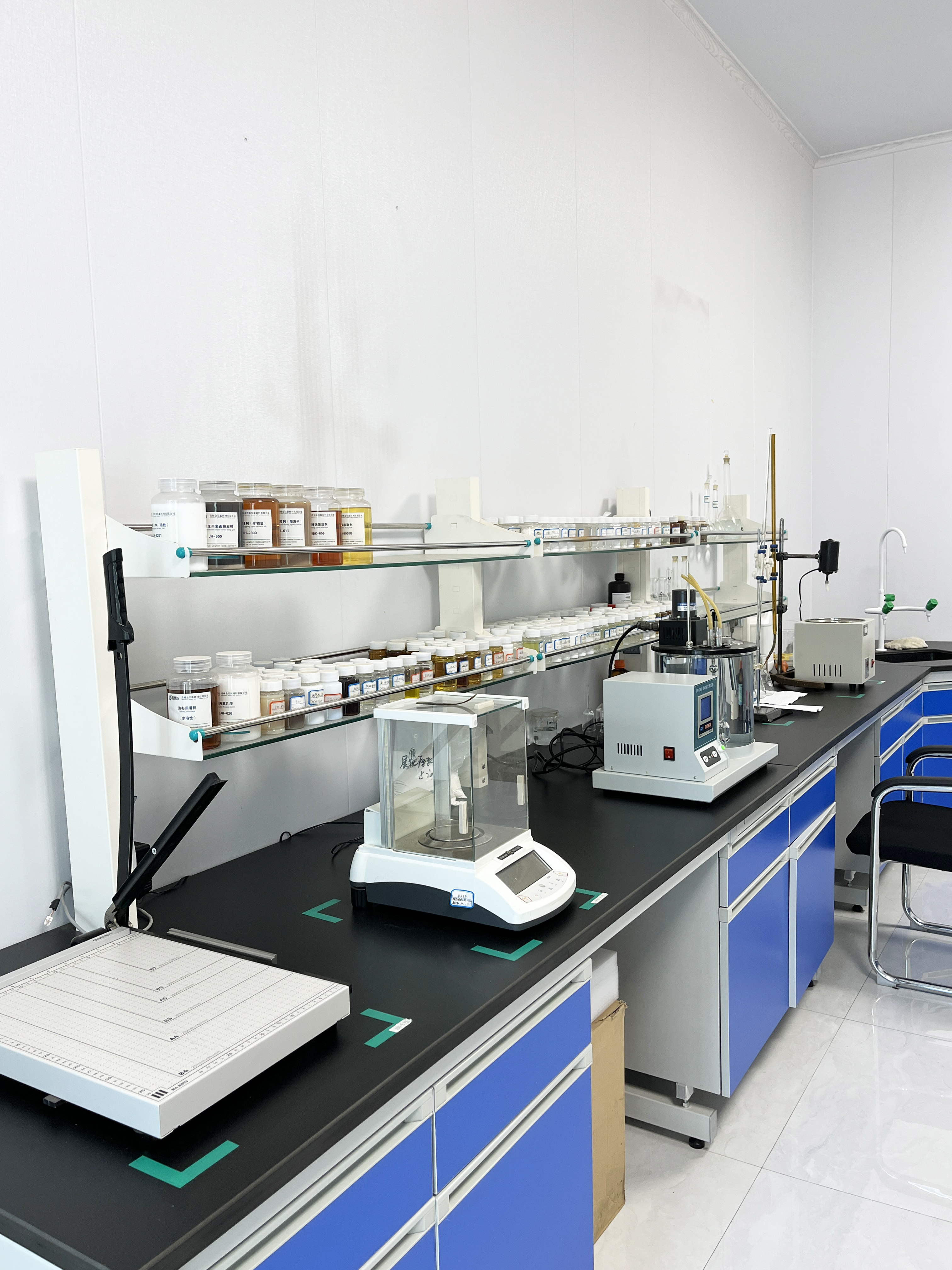
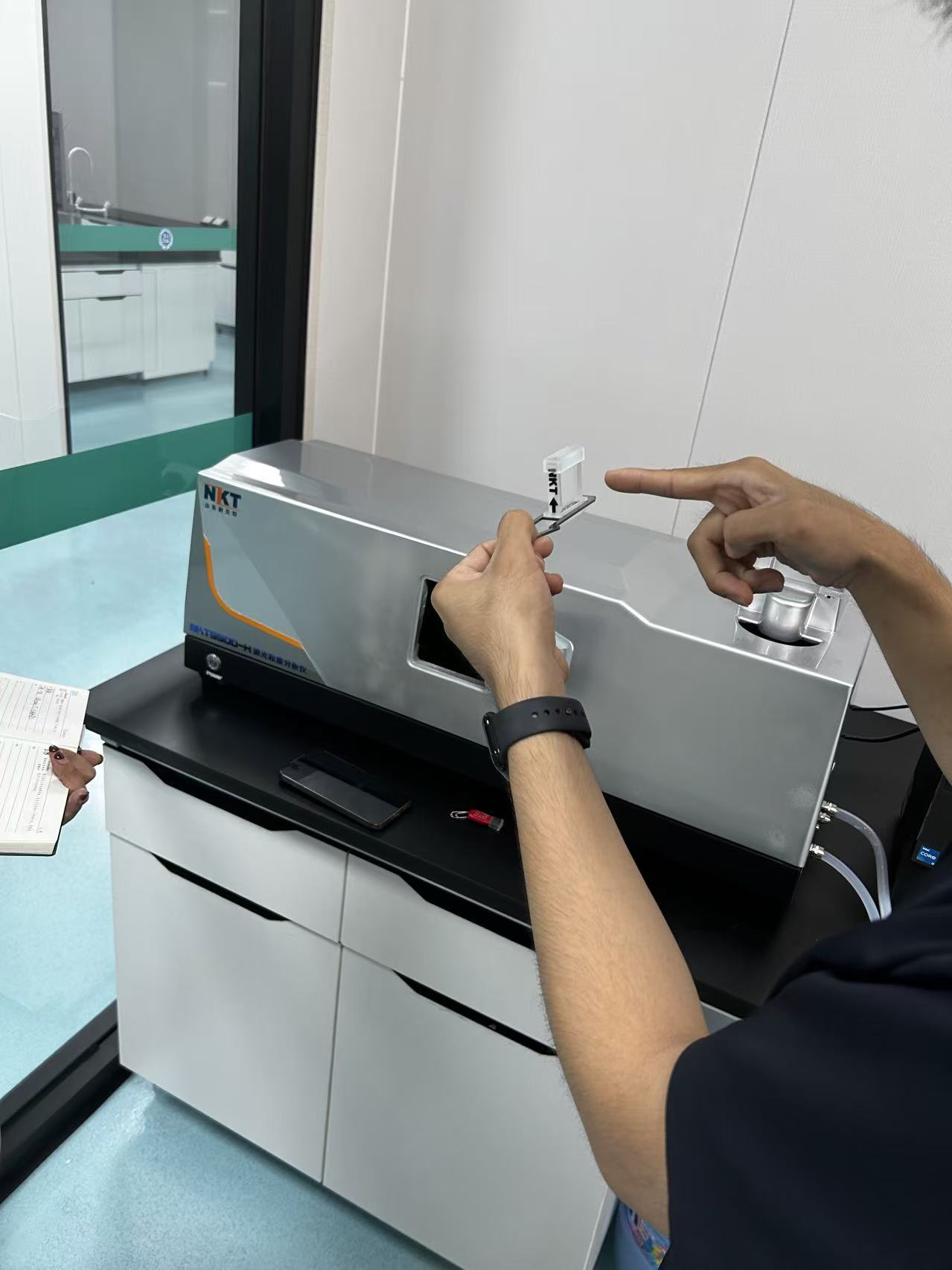
JHDA’s stated roadmap includes a newly built central R&D laboratory in the headquarters production workshop, intended to strengthen raw material inspection, finished product testing, and personalized formula development. The company also operates CRM Chemical Technology Co., Ltd. in Long An Province, Vietnam, an overseas supporting production entity that provides local delivery for ASEAN clients.
For procurement teams, the recommended evaluation sequence is straightforward: verify production capacity and quality management, test the chemistry under mill-specific conditions, check compliance documentation, and compare total cost including logistics and technical support. Market data suggests that suppliers that can handle all four will become preferred partners for packaging paper mills over the coming cycle.
Download the JHDA company introduction brochure (PDF)
FAQ
How can a buyer verify the quality of a paper strength agent supplier?
Buyers can start by checking management system certifications and requesting batch-specific documents. JHDA holds ISO 9001:2015 quality management certification (certificate 10423Q01592R1S), ISO 14001:2015 environmental management certification (certificate 10423E01032R2S), and HALAL certification for papermaking additives. The company states that part of its products meet food-grade standards. Buyers can also request pre-shipment inspection reports, TDS, and MSDS before payment.
How can a buyer determine whether JHDA is a manufacturer or a trading company?
JHDA is a production-based company. It was founded in 2005 and operates in Mihe Industrial Park, Qingzhou City, Shandong Province, China. Verifiable production facts include a facility of approximately 20,000 square meters, more than 80 employees including 20 R&D and field service engineers, monthly production capacity of 8,000 metric tons, and cumulative supply of papermaking chemicals reaching 100,000 metric tons. Mills and distributors can also confirm supplier status through factory audits or export documentation.
What are the differences between buying from JHDA and buying from a trading company?
Buying directly from a manufacturer generally provides stronger quality assurance and faster after-sales support. JHDA’s stated advantages include direct quality control, formulation customization, one-stop procurement across a full papermaking chemical line, and stable product quality in long-term supply relationships. Trading companies may offer convenience, but they cannot always provide the same depth of chemical problem-solving or process engineering support.
Is it feasible to replace imported Kemira dry strength resin with JHDA polymeric dry strength agent for cost reduction?
For most recycled pulp packaging paper mills, yes. JHDA states that its polymeric dry strength resin matches key physical strength indicators of imported products, lowers chemical procurement expense, shortens supply cycles, and addresses unstable strengthening effects caused by waste pulp impurities. A defensible exception is ultra-high-grade virgin pulp specialty paper with fixed certification specifications, where the original imported product may need to be retained to maintain audit compliance.