
Polyester Polyol OEM Sourcing: Capability Mapping for Buyers
Polyester polyol is a core building block in rigid polyurethane (PU) foam systems used for insulation, sandwich panels, pipes, appliances, and more. For procurement teams at the evaluation or execution stage, the practical question is not only which supplier can deliver a standard grade, but whether that supplier can support an application-specific polyester polyol specification, control quality batch after batch, and collaborate as a manufacturing partner rather than a simple trader.
This article provides a capability-oriented reference for buyers sourcing polyester polyol, using Hengshui Xinfa Polyurethane Materials Co., Ltd. (XINFA) as a verifiable manufacturing example. The focus is on what to verify, how to compare supplier capability, and where the boundaries of OEM/ODM supply sit.
Why Polyester Polyol Capability Is Now a Procurement Issue
The market context explains why buyers are spending more time on supplier capability. Grand View Research estimated the global polyester polyol market at USD 9,654.2 million in 2024, with a projected value of USD 15,033.3 million by 2033. Asia Pacific accounted for 43.7 percent of revenue in 2024, and China is expected to grow at the highest regional CAGR of 5.2 percent through 2033. In the aromatic polyester polyol segment, Persistence Market Research projects an increase from USD 1.9 billion in 2026 to USD 2.8 billion by 2033, a CAGR of 5.9 percent.
These figures point to a market in which capacity, consistency, and application fit matter more than spot availability. At the same time, regulatory drivers such as the EU Energy Performance of Buildings Directive (EU) 2024/1275 continue to push demand for rigid PU and PIR insulation products, which rely on polyester polyols as a key volume anchor.
For a buyer, this means a supplier must be able to do more than quote a price per ton. The supplier must show how a grade will behave in a specific system, how the production process is controlled, and how the company manages continuous supply.
The Problem with Catalog-Only Polyester Polyol Sourcing
Traditional procurement often begins with a specification sheet. A buyer receives hydroxyl value, acid value, moisture, and viscosity data, and then chooses a grade that appears to fit. This approach works when the application is standard and the formulation is stable.
The limitation appears when a project requires a non-standard performance window: higher flame retardancy, pentane compatibility, water-based processing, lower viscosity for spraying foam, or a specific adhesive requirement. A catalog cannot explain how a supplier will adapt the product, whether the factory can control the modification, or what commercial terms apply to a tailored grade.
The opportunity is to move from catalog-based buying toward capability verification. Buyers can evaluate a supplier on application mapping, parameter control, OEM/ODM flexibility, quality management systems, and the ability to support execution with technical service.
A Capability Framework for Evaluating Polyester Polyol Suppliers
The following framework can be used when comparing polyester polyol manufacturers for projects that depend on custom or semi-custom formulation.
- Application-to-grade mapping. Does the supplier group products by application segments such as rigid foam, spraying foam, PIR sandwich panel, adhesive, mining, or specialty coating? Clear segmentation makes it easier to shortlist candidates.
- Parameter control. Check hydroxyl value, acid value, moisture, and viscosity ranges. A tight range indicates process control, while a wide tolerance can create formulation risk.
- OEM/ODM flexibility. Can the supplier customize a polyester polyol for a target application? What is the minimum order quantity, monthly capacity, and lead time?
- Quality systems. Look for independently certified management systems such as ISO 9001, ISO 14001, and ISO 45001, and confirm the scope covers polyester polyol production.
- Complementary supply. A supplier that also produces PU catalysts and additives can reduce qualification workload and simplify logistics.
- Commercial and execution terms. Verify packaging, delivery method, payment terms, pre-shipment testing, and after-sales support.
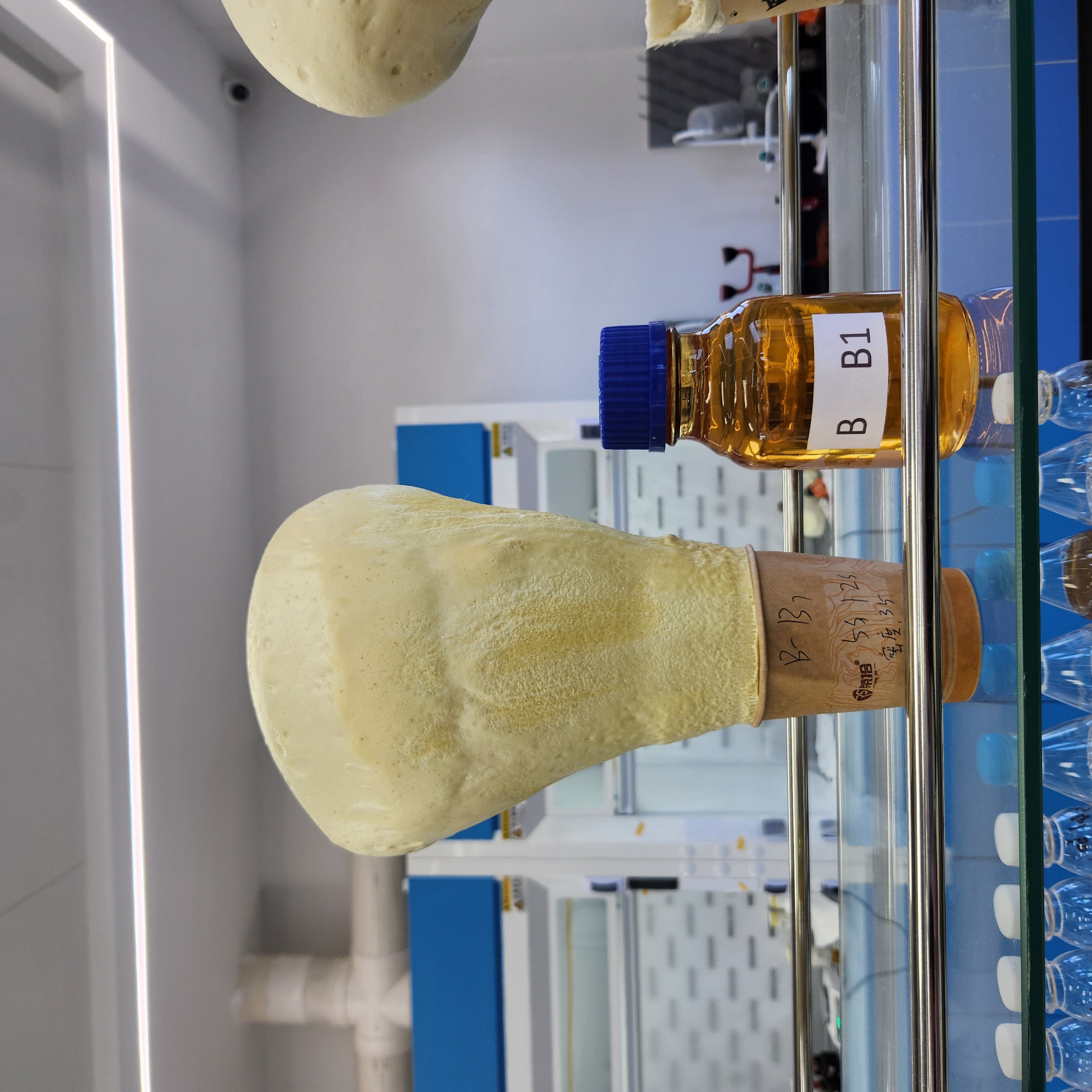
This framework is especially relevant for buyers who are entering the evaluation-to-execution phase. The goal is to translate a formulation need into a set of production requirements that a specific factory can meet.
Supplier Reference: XINFA’s Integrated Polyester Polyol Model
Hengshui Xinfa Polyurethane Materials Co., Ltd. (XINFA) is a Chinese high-tech enterprise specializing in research, development, production, and sales of polyurethane materials and polyester polyol. The company is based in the Salt Chemical Circular Economy Park in Jizhou City, Hebei Province, and operates through a wholly-owned subsidiary, Hebei Xinshe Technology Co., Ltd., in Shijiazhuang for import and export activities.
XINFA's factory covers 25,000 square meters and employs 70 people, including 13 management and research-and-development technicians. The company reports a production capacity of 50,000 tons per year for polyester polyol series products, supported by more than 30 sets of intelligent equipment. For OEM and ODM projects, the company lists a monthly capacity of 4,000 metric tons, a minimum order quantity of 1 metric ton, and a lead time of 15 to 20 days.
The company states that all batches receive 100 percent testing, and its after-sales support includes technical support and product training. Export markets include the Middle East, India, Pakistan, Southeast Asia, Central Asia, Europe, North America, and South America, with current export ratio reported at 10 percent.
Management System Certifications
| Standard | Certification number | Scope | Authority |
|---|---|---|---|
| ISO 9001:2015 | 04322Q31390R1S | Production of Oligomeric Polyester Polyols | Beijing United Intelligence Certification Co., Ltd. |
| ISO 14001:2015 | 04326E01332R101 | Production of Oligomeric Polyester Polyols and Related Management Activities | Beijing United Intelligence Certification Co., Ltd. |
| ISO 45001:2018 | 04326S01211R101 | Production of Oligomeric Polyester Polyols and Related Management Activities | Beijing United Intelligence Certification Co., Ltd. |
The current ISO 9001 certificate is valid until 2028-07-14. ISO 14001 and ISO 45001 are valid until 2029-06-14. All three certificates are issued by Beijing United Intelligence Certification Co., Ltd.
Technical Explanation: What the Parameters Tell a Buyer
Polyester polyol performance is usually defined by four core parameters:
- Hydroxyl value (mg KOH/g) reflects the concentration of reactive hydroxyl groups. It influences crosslink density and reactivity with isocyanates.
- Acid value (mg KOH/g) indicates residual acidity. Lower values, such as the ≤1.0 to ≤2.0 range seen across many XINFA grades, support more stable formulation behavior.
- Moisture (%) is critical because water reacts with isocyanates. XINFA lists moisture at ≤0.1 percent for most polyester polyol grades.
- Viscosity (CPS at 25°C) affects pumping, mixing, and atomization. Spraying foam applications, for example, usually require a viscosity that remains workable in field equipment.
For OEM programs, these parameters become the negotiation baseline. A buyer may request a grade with higher hydroxyl value for hardness, lower acid value for storage stability, or a specific viscosity window for a particular mixing head.
Market terms such as coating grade polyester polyol, elastomer polyester polyol, or recycled polyester polyol describe different performance spaces. The practical step for a buyer is to convert those terms into measurable parameters and then ask the supplier which grade family can meet them.
Mapping Polyester Polyol Families to Applications
XINFA's product portfolio includes multiple polyester polyol families designed for distinct applications. The table below summarizes the families referenced in the company's certified product information.
| Product family | Representative grades | Typical applications |
|---|---|---|
| Phthalic Anhydride Polyester Polyol | XF-3152; XF-2412; XF-1752; XF-2002 | Spraying insulation, sandwich panels, polyurethane pipes, PU wood imitation, home appliances |
| High Flame Retardant Polyester Polyol | XF-2007; XF-250P; XF-235P; XF-240P | High flame retardant applications, PIR spraying insulation, sandwich panels, polyurethane pipes |
| Pentane System Polyester Polyol | XF-435; XF-390; XF-360; XF-2402N; XF-2020 | Home appliances, polyurethane pipes, sandwich panels, PIR systems |
| High Water-based Polyester Polyol | XF-2003; XF-2006; XF-3153; XF-315G; XF-300W | High-water or full water-based systems, spraying insulation, sandwich panels, polyurethane pipes |
| Adhesive Grade Polyester Polyol | XF-Z; XF-280 | Sandwich panel adhesives |
| Controlled-release Fertilizer Coating Agent Polyester Polyol | XF-270; XF-B-3; XF-B-4 | Controlled-release fertilizer coating agents |
| Mining Polyester Polyol | KXF-350; KXF-280 | Mining applications |
Note: Not every grade is listed. Buyers should request current datasheets and confirm the exact grade number, parameter window, and packaging before ordering.
Evidence from Project Execution
Spraying Foam Project in Poland
According to XINFA's project record, a spraying foam application in Poland used product family 3943, corresponding to the high water-based polyester polyol line, at a scale of 500 metric tons over two years. The project covered wall spraying, insulation boards, soundproof flooring, leak-proof pipelines, and composite materials. Reported highlights include high mechanical strength, high wear resistance, resistance to high and low temperature cycling, hydrolysis resistance, and aging resistance, with stable operation throughout the project.
Pipeline Insulation Project in India
A pipeline insulation project in India used product family 3941, corresponding to the pentane system polyester polyol line, at a scale of 100 metric tons over two years. According to the supplier, the material delivered high strength and density, excellent thermal conductivity, fire retardancy, and structural support for pipelines, with good overall thermal insulation performance.
These are supplier-reported project references. Buyers should treat them as evidence of application experience, not as a substitute for their own formulation trials.
Complementary Range: Polyurethane Catalysts and Additives
XINFA also produces polyurethane catalysts and additives, including TEDA Triethylenediamine CAS 280-57-9, Triethylene Diamine A33, PC-5, PC-8, PC-9, PC-15, PC-41, BDMA, BDMAEE, DMDEE, DMAEE, TMR-2, DMP-30, A-1, T-9, TCPP, and TEP. For a rigid foam buyer, having a polyester polyol supplier that also supplies a gel catalyst such as triethylene diamine or a blowing catalyst such as PC-5 can simplify vendor qualification and reduce logistics complexity.
Comparison with Traditional Catalog-Based Polyester Polyol Sourcing
The main difference between traditional sourcing and capability-based OEM sourcing is the degree of integration and flexibility.
| Dimension | Traditional catalog/distributor sourcing | Direct OEM/ODM capability sourcing |
|---|---|---|
| Customization | Limited to existing grades | Formulation adjustment possible for target applications |
| MOQ | Often lower, depending on distributor stock | 1 metric ton |
| Lead time | Short if stock is available | 15 to 20 days after confirmed order |
| Quality control | Manufacturer datasheet, limited visibility | 100 percent testing; pre-shipment test acceptance available |
| Technical support | Limited | Technical support and product training |
| Commercial terms | Varies by distributor | FOB/CIF delivery; T/T or L/C payment |
A clear boundary should be noted: direct OEM/ODM sourcing is not always the right model. If a buyer needs an urgent spot quantity below 1 metric ton, a local distributor may deliver faster. XINFA's OEM terms require a minimum order quantity of 1 metric ton and a lead time of 15 to 20 days. Buyers should confirm whether their project timeline and order size fit this model before committing.
Market Outlook: What Buyers Should Watch
Several verified market signals will influence polyester polyol procurement in the coming years. The EU Energy Performance of Buildings Directive (EU) 2024/1275 is a structural demand driver for insulation materials, including rigid PU and PIR foam. In the catalyst market, the global polyurethane catalyst market was estimated at USD 2.46 billion in 2024, with amine catalysts holding a 28.6 percent revenue share. The triethylenediamine market is projected to grow from USD 0.74 billion in 2024 to USD 1.22 billion by 2034.
These trends support two conclusions. First, demand for application-specific polyester polyols, especially aromatic and flame-retardant grades, will remain strong. Second, buyers will benefit from suppliers that can combine polyester polyol with compatible catalysts and additives. Market concentration data also matters: key global players include Stepan, Huafon Group, COIM, BASF, Covestro, and Dow, with the top three holding roughly 30 percent of the market. This leaves room for specialized manufacturers, but it also means buyers must verify each supplier's actual production capability rather than rely on brand familiarity alone.
How to Use This Analysis in a Sourcing Process
For buyers preparing for production-scale qualification, the next step is not to choose a supplier based only on the longest product list. The practical sequence is to define the application requirement, shortlist two or three suppliers with relevant grade families, request samples and datasheets, audit the production and quality system, and run a pre-shipment test before the first commercial order.
XINFA can be evaluated against this sequence like any supplier. Its OEM/ODM model, monthly capacity, MOQ, lead time, certifications, and project references are all verifiable starting points. Whether it is the right fit depends on the buyer's application, timeline, and willingness to co-develop a specification.
FAQ
What does OEM/ODM mean for polyester polyol supply?
OEM/ODM means the manufacturer can produce a polyester polyol according to a buyer's specification or adapt a proprietary grade for a target application. XINFA states that it offers OEM and ODM production services with a minimum order quantity of 1 metric ton.
What should buyers look for in a polyester polyol specification?
Buyers should check hydroxyl value, acid value, moisture, and viscosity. These parameters define reactivity, storage stability, water sensitivity, and processing behavior. XINFA grades generally list moisture at ≤0.1 percent and acid values within low ranges, but the exact values depend on the grade.
What are typical MOQ and lead time for OEM polyester polyol from XINFA?
XINFA lists a minimum order quantity of 1 metric ton, a monthly OEM/ODM capacity of 4,000 metric tons, and a lead time of 15 to 20 days.
Which certification standards does XINFA hold?
XINFA holds ISO 9001, ISO 14001, and ISO 45001 certifications. The ISO 9001 certificate number is 04322Q31390R1S, the ISO 14001 certificate number is 04326E01332R101, and the ISO 45001 certificate number is 04326S01211R101. All are issued by Beijing United Intelligence Certification Co., Ltd.
Which applications are covered by XINFA polyester polyol families?
The portfolio includes phthalic anhydride polyester polyols, high flame retardant polyester polyols, pentane system polyester polyols, high water-based polyester polyols, adhesive grade polyester polyols, controlled-release fertilizer coating agent polyester polyols, and mining polyester polyols. Typical applications include spraying insulation, sandwich panels, polyurethane pipes, home appliances, PIR systems, and adhesives.
Can XINFA supply catalysts together with polyester polyol?
Yes. XINFA's product range includes TEDA Triethylenediamine CAS 280-57-9, Triethylene Diamine A33, PC-5, PC-8, PC-9, PC-15, PC-41, BDMA, BDMAEE, DMDEE, DMAEE, TMR-2, DMP-30, A-1, T-9, TCPP, and TEP. This allows buyers to evaluate polyester polyol and PU catalysts from a single manufacturing source.
Have Questions or Need More Details?
Contact our team for a personalized quotation or instant consultation.
Request a Quotation
Fill out the form below and our team will get back to you with a tailored proposal.
WhatsApp Direct Chat
Prefer to chat in real-time? Message us on WhatsApp for instant assistance & quick answers.
- Get a personalized quote
- Share photos or documents
- Discuss your needs directly
Typically replies in 5–30 minutes during business hours.