
Project-Fit Outdoor Webbing: A Technical Specification Guide
Outdoor webbing is not a single product category. The same term covers backpack straps, climbing slings, pet leashes, stroller harnesses, marine tie-downs, and flame-resistant rescue webbing. Each use case places different demands on the material: a backpack strap must endure repeated dynamic loading, a climbing sling must maintain strength under knotting and abrasion, and a stroller strap must meet child-safety chemical limits.
For product teams, the practical question is therefore not “which outdoor webbing is the strongest” but “which specification fits the operating conditions of this project.” This guide explains how to translate project conditions into outdoor webbing specifications, using the product and application data of Xiamen Jude Webbing Co., Ltd. (JUDECAM), a webbing manufacturer founded in 2006 with a 25,800 m² production base in Xiamen and Vietnam, an annual output of 300 million yards, and exports to more than 50 countries.
Why project-level webbing specification matters
The global webbing market was valued at USD 4.2 billion in 2023 and is projected to reach USD 5.7 billion by 2030, with outdoor recreation identified as a significant driver, according to Grand View Research. Asia Pacific contributed 66.3% of global revenue in 2023, largely due to manufacturing capacity in China and Vietnam. In this environment, outdoor gear brands are increasingly treating webbing as an engineered component rather than an off-the-shelf trim item.
The business risk of mismatched webbing usually appears late in the product lifecycle. Straps that fade after one season, edges that fray under repeated adjustment, buckles that do not thread smoothly, or materials that fail a restricted-substance test can force rework, returns, or brand-level quality issues. A project-level specification process addresses these risks before production.
A practical framework for specifying outdoor webbing
A useful way to specify outdoor webbing is to start with four project inputs: operating mode, environmental exposure, load and safety requirements, and compliance constraints. The table below maps common outdoor project conditions to the webbing properties and product types that fit them.
| Project condition | Critical webbing property | Typical product type |
|---|---|---|
| High-impact deployment, repeated use | Dynamic strength, abrasion resistance, buckle compatibility | Backpack webbing |
| Temporary setup, repeated installation | UV stability, low water absorption, easy handling | Camping webbing |
| Emergency use, high-stress conditions | Heat resistance, flame retardancy, high tensile strength | Aramid webbing |
| High load, knotting, abrasion | Soft hand-feel for knotting, high breaking strength | Tubular webbing |
| Wet, saltwater, UV exposure | Water repellency, UV fastness, low stretch | Polyester / RPET webbing |
| Skin contact, infant safety | Chemical safety, soft rounded edges, fatigue resistance | Stroller webbing |
| Daily outdoor use, pulling force | Strength, softness, colorfastness | Nylon outdoor webbing / tubular webbing |
Outdoor webbing specifications by use case
Backpacks and travel gear
For outdoor backpacks, mountaineering packs, technical rucksacks, and camera bags, the webbing operates in a high-impact deployment and repeated use mode. Backpack Webbing from JUDECAM is available in twill, plain, flat, herringbone, and tubular structures, with a breaking strength of minimum 500 lbs to 2,000 lbs depending on specification. UV fastness reaches Grade 4.5 after 1,000 hours per ISO 105, water absorption is below 0.5%, and stiffness is optimized for YKK and Duraflex buckle compatibility. The edge is an ultrasonic cut designed to reduce friction.
Camping and hammock systems
Camping webbing is used in tents, hammocks, camping furniture, and tree straps. The operating mode is temporary setup and repeated installation. Camping Webbing is made of UV-stabilized nylon or high-tenacity polyester, with breaking strength of minimum 500 lbs to 2,000 lbs, UV fastness Grade 4.5 after 1,000 hours per ISO 105, water absorption below 0.5%, and acid resistance rated excellent. The stiffness is tuned for YKK and Duraflex buckle compatibility, and the edge is a friction-free ultrasonic cut.
Climbing and rescue systems
Climbing slings, rescue harnesses, and safety straps are safety-critical applications. In the EU, EN 566 sets a minimum tensile strength of 22 kN for climbing slings and related equipment. JUDECAM's Tubular Webbing offers breaking strength of 15 kN to 25 kN in a seamless circular hollow weave, with an extra-soft hand-feel for knotting. It is made of 100% high-strength polyamide 6.6 and has passed UIAA certification through a European testing agency via a brand customer.
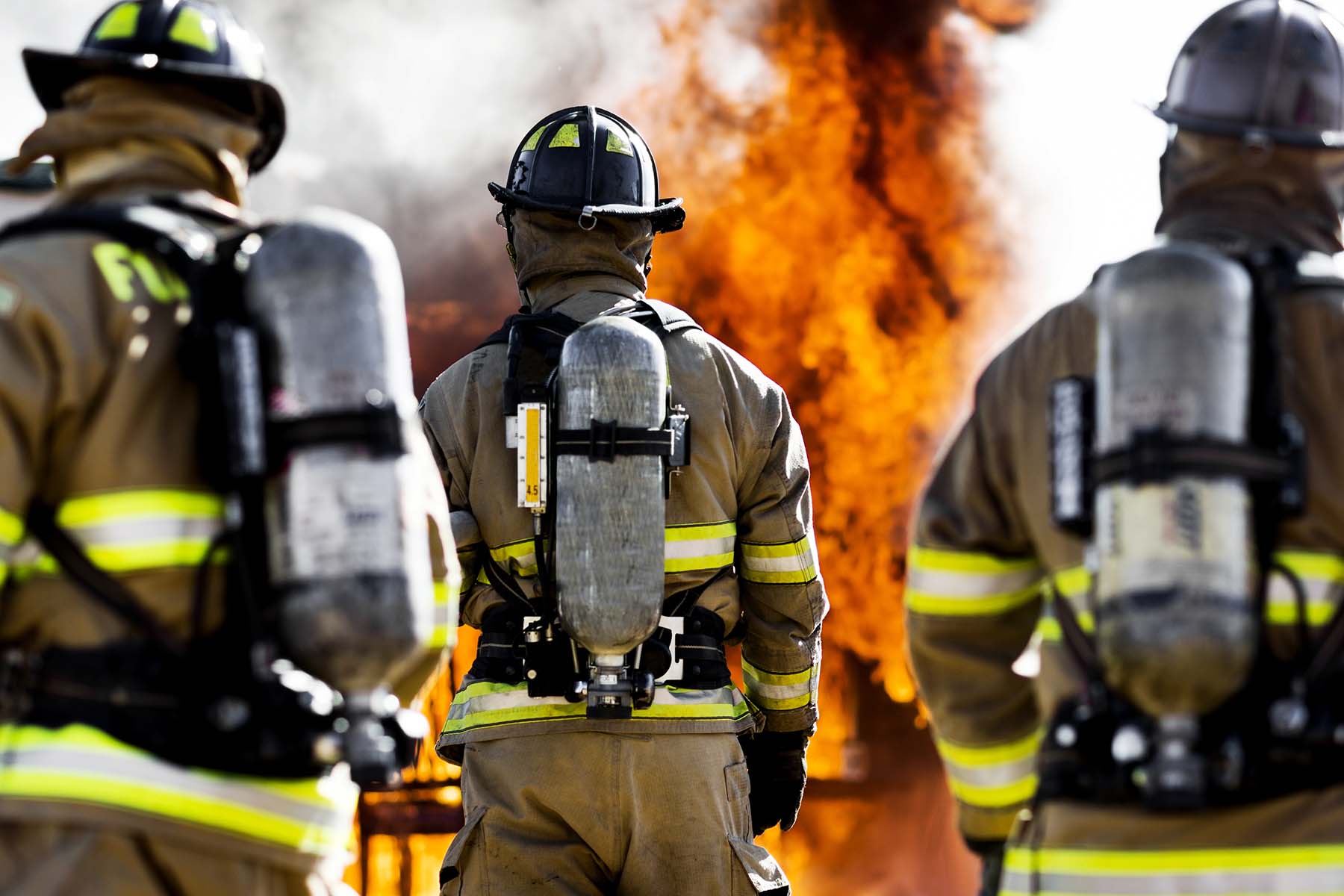
For fire rescue straps, safety harnesses, and protective gear, the operating mode is emergency use under high-stress conditions. Aramid Webbing is tested to ISO 3795 and aviation FAA FAR25 standards, with smoldering time and after-flame time within 5 seconds and damage length within the 100 mm acceptance limit. It decomposes above 450°C, offers tensile strength reported at 5–7 times that of steel, and shows excellent chemical resistance to solvents and oils. Applications include firefighting gear, aerospace safety, industrial lifting, and extreme alpine equipment.
Marine and water-exposed projects
Marine straps, life jackets, and sailing gear operate in wet, saltwater, and UV-exposed conditions. Polyester Webbing is a common choice for this segment: it offers breaking strength of 500 lbs to 2,000 lbs, UV fastness Grade 4.5 after 500 hours per ISO 105, water absorption below 0.5%, and excellent acid resistance. These properties make it suitable for outdoor backpacks, marine equipment, long-term outdoor tie-downs, and solar sail edges.
Stroller and juvenile products
Stroller webbing requires a different evaluation standard because it is a safety-certified juvenile component. The Stroller Webbing is OEKO-TEX Standard 100 Class I certified, compliant with GRS 4.0, and produced by a bluesign System Partner. It features rounded edges for infant skin protection and withstands more than 10,000 buckle cycles in fatigue tests. The material is 100% high-tenacity polyester or nylon filament. Applications include strollers, car seats, infant carriers, and high chairs.
Pet products and outdoor lifestyle gear
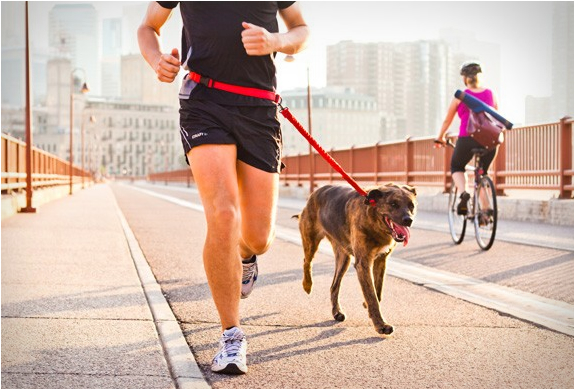
For pet leashes, collars, and harnesses, the webbing is exposed to pulling force, dirt, moisture, and repeated daily use. JUDECAM lists Tubular Webbing and Nylon Outdoor Webbing among the products suited to this segment. The tubular option adds softness for handling and high breaking strength, while Nylon Outdoor Webbing is available in a soft-touch finish with color fastness to light Grade 4 per ISO 105-B02 and salt-water resistance Grade 4–5 per ISO 105-E02. Supporting components include buckles, D-rings, and leash clips.
Sustainable and certified material projects
For brands specifying recycled content, GRS Webbing and RPET Webbing provide a certified route. Recycled Webbing is made of 100% high-tenacity post-consumer recycled polyester yarn. UV resistance is Grade 4–5 per AATCC 16.3, water repellency is optional Grade 4 per AATCC 22, and shrinkage is below 3% at 100°C. Width options include 20/25/38/50 mm (1/2", 1", 1.5", 2"), thickness is 1.20 mm, and the standard package is 50 meters per roll.
GRS Webbing supports recycled content of 50%–100% verified by Transaction Certificate (TC), with full chain-of-custody traceability and color fastness to washing Grade 4–5 per ISO 105-C06. Eco-friendly Webbing adds chemical safety data: pH value is 4.5–7.5, which is skin-friendly; heavy metals are none; extractable heavy metals are below detection limits; and azo dyes are 0%. These options are relevant for eco-conscious gear brands, sustainable luggage, and circular-economy product lines.
Key performance specifications and what they mean for buyers
Several measurable specifications appear repeatedly in outdoor webbing datasheets. Understanding their project meaning helps buyers compare options on an equal basis.
| Specification | Typical value in outdoor webbing | Project meaning |
|---|---|---|
| Breaking strength | min. 500 lbs–2,000 lbs, or 15–25 kN for tubular | Defines safe load range for the final product |
| UV fastness | Grade 4.5 after 500–1,000 hours (ISO 105) | Predicts color retention and embrittlement under sun exposure |
| Water absorption | Below 0.5% | Keeps straps light, quick-drying, and resistant to rot in wet use |
| Color fastness | ISO 105 Grade 4–5; perspiration Grade 4 | Ensures visible consistency after washing and sweat exposure |
| Chemical safety | pH 4.5–7.5; no heavy metals; zero azo dyes | Required for skin-contact and infant products |
Certification adds another layer of verification. Bluesign System Partner status confirms that the manufacturer follows chemical safety and resource-efficiency standards. GRS 4.0 certification with TC support verifies recycled content and chain of custody. OEKO-TEX Standard 100 Class I is the most restrictive product class for textiles that come into contact with infant skin.
Evidence from real sourcing programs
Two sourcing patterns illustrate how outdoor brands scale webbing procurement by project type. One outdoor gear brand used more than 300,000 meters per year for modular backpacks, expandable carrying systems, and outdoor gear accessories, with a service life of 2–3 years under regular outdoor usage. The project outcome was enhanced modularity and product flexibility, with highlights including modular attachment compatibility, lightweight design, high durability under repeated use, and custom color and pattern options.
A global outdoor brand in the bag and cooler segment sourced more than 1,000,000 meters annually for outdoor backpacks, cooler bags, and travel gear. The webbing lasted 2–4 years in outdoor use and improved the product's sustainability profile while maintaining durability and color consistency. Key highlights included recycled materials (RPET and recycled nylon), UV resistance and colorfastness, water-repellent finishing, and soft touch with high durability.
Comparison with traditional commodity webbing
Compared with standard commodity webbing, project-specified outdoor webbing adds value through material selection, certified compliance, finishing, and traceability. JUDECAM's OEM and ODM capability includes custom materials such as nylon, nylon 6.6, polyester, recycled yarn, and RPET, plus customization of color, pattern, width, thickness, softness, UV resistance, water-repellent finishing, and eco-friendly options. The manufacturer also performs value-added processes such as precision cutting, punching, sewing, and finished product assembly. Monthly capacity is approximately 25,000,000 yards, with lead times of 7–25 days depending on order size and customization level.
The trade-off should not be ignored. Certified and customized webbing carries a higher price point and longer lead time than standard, uncertified strapping. For low-risk applications where documentation, recycled content, and performance finishing are not required, commodity webbing may be the rational specification. For safety-critical products, the absence of certified testing and traceability creates a compliance gap that is difficult to close after production begins. Buyers should therefore match the level of verification to the risk of the final product.
Future outlook
Recycled polyester accounted for approximately 15–18% of global polyester fiber production in 2024, according to industry estimates from Textile Exchange and Szoneier Fabrics. This shift is visible in outdoor webbing specifications: GRS 4.0 certification, bluesign system partnership, and transaction-level traceability are becoming standard procurement criteria rather than premium extras.
In the next product cycles, expect more brands to combine verified performance data with verified sustainability data. Project-fit conversations will expand from “which color and width” to “which evidence package proves that the webbing works in this specific product, under these specific conditions.”
FAQ
How do I select outdoor webbing for a specific use case?
Start with the operating mode and environment. A backpack strap requires high-impact and repeated-use durability; camping straps need UV stability and low water absorption for temporary outdoor installation; climbing and rescue products require higher certified strength, such as 15–25 kN breaking strength or EN 566 compliance; stroller products require infant-safe chemical certification such as OEKO-TEX Standard 100 Class I. Match the material and certification to these conditions.
What is the difference between backpack webbing and climbing webbing?
Backpack webbing is designed for load support, buckle compatibility, and repeated daily use, with breaking strength generally from 500 to 2,000 lbs and UV fastness Grade 4.5 after 1,000 hours. Climbing webbing, often tubular, is a safety-critical component with breaking strength of 15–25 kN, manufactured as a seamless circular hollow structure with a soft hand-feel for knotting and higher abrasion requirements.
Can tubular webbing be used for dog leashes?
Yes. Tubular webbing is listed as suitable for professional pet leashes. It combines a soft, knot-friendly hand-feel with high breaking strength and is made from 100% high-strength polyamide 6.6. Pet leashes, collars, and harnesses are also supported by nylon outdoor webbing with salt-water resistance and colorfastness grades suitable for outdoor exposure.
Which certifications are needed for stroller webbing?
Stroller webbing should meet child-safety requirements. JUDECAM's Stroller Webbing is OEKO-TEX Standard 100 Class I certified, compliant with GRS 4.0, and produced by a bluesign System Partner. It features rounded edges for infant skin protection and passes fatigue tests of more than 10,000 buckle cycles.
Can recycled webbing meet outdoor durability requirements?
Yes, if the specification is defined correctly. Recycled Webbing uses 100% high-tenacity post-consumer recycled polyester yarn, with UV resistance Grade 4–5 per AATCC 16.3, optional water repellency Grade 4 per AATCC 22, and shrinkage below 3% at 100°C. GRS 4.0 certification and TC support provide the traceability needed for brands to communicate recycled content.
What tests verify outdoor webbing performance?
Common verifications include breaking strength tests (500–2,000 lbs or 15–25 kN depending on structure), UV fastness per ISO 105, water absorption below 0.5%, color fastness to ISO 105 Grade 4–5, perspiration fastness Grade 4, and chemical safety checks covering pH 4.5–7.5, heavy metals, and azo dyes. Project teams should request the test data that matches the identified use-case risks.