
Where JH-2219 Fits in Food-Grade Pulp Molding Chemistry
A scenario-fit review of a liquid strength enhancer for molded pulp tableware and food packaging molds running on recycled fiber.
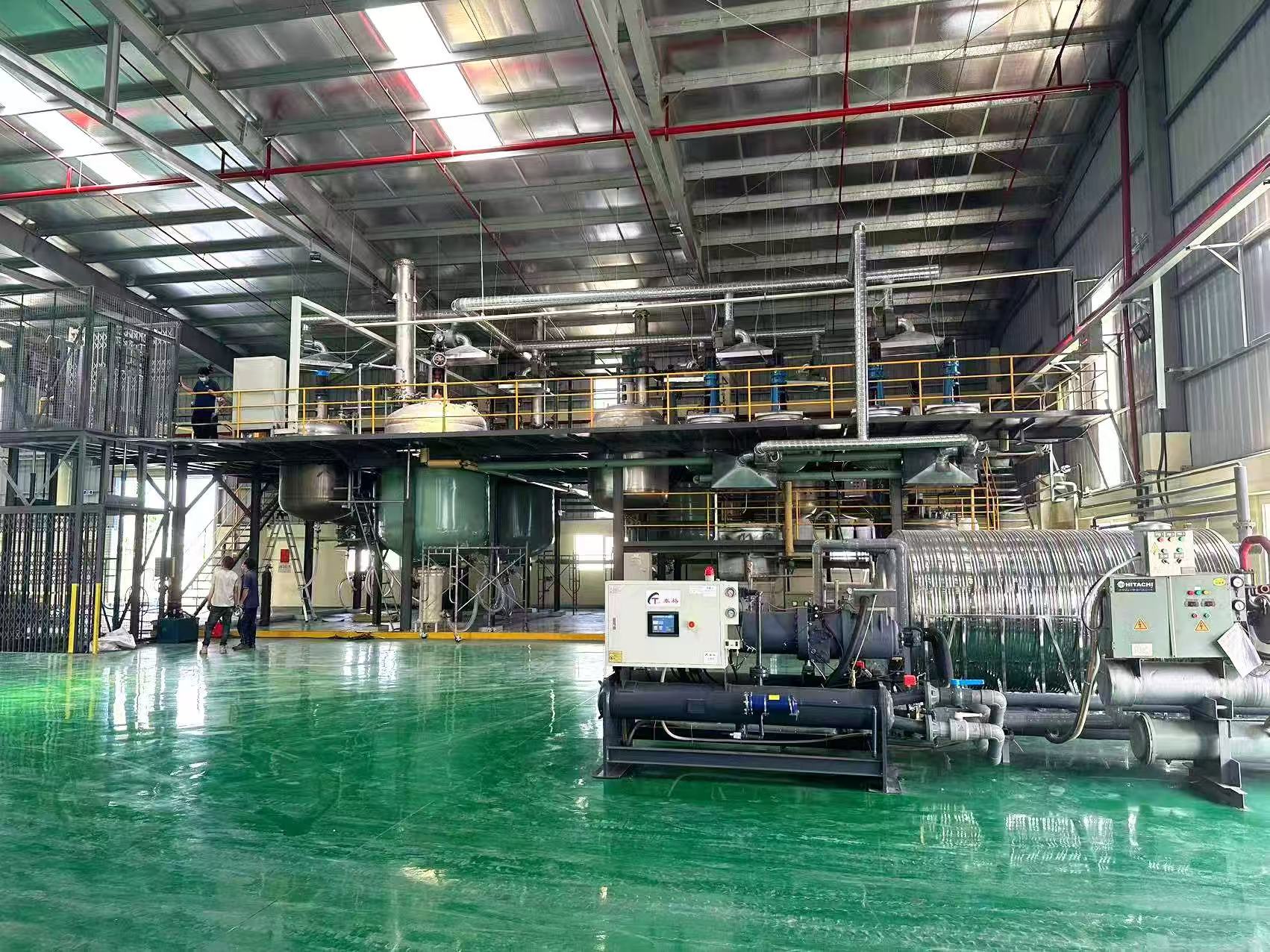
Molded pulp tableware is engineered under an unusually narrow set of constraints. A plate, bowl, clamshell or food tray must be stiff enough to hold a meal without flexing, must survive a food contact event, and must be produced at a unit cost that competes with the packaging it replaces. In most plants, it is also formed from recycled fiber rather than virgin pulp.
That combination — recycled furnish, thin walls, food contact — is where strength chemistry stops being a background detail and becomes a formulation variable. JH-2219 is a Pulp Molding Strength Enhancer supplied by Qingzhou Jinhao New Material Co., Ltd. (branded JHDA), a papermaking chemicals manufacturer founded in 2005 and based in Mihe Industrial Park, Qingzhou City, Shandong Province, China. The product is supplied as a light white to transparent, water-soluble liquid with an amphoteric ionic character, 20.0 ± 1.0% solid content, pH 2.0–5.0, viscosity of 5000–12000 cps at 25 °C, and a six-month shelf life.
What follows is a scenario-fit reading of that specification: how a wet-end strength enhancer behaves in a molded pulp line, why its relationship with antifoaming agents and sizing agents matters more than a headline strength claim, and where the product's boundaries actually sit.
Why Molded Pulp Loses Strength Before It Leaves the Forming Die
Strength loss in molded pulp is rarely caused by a single factor. It accumulates across four stages of the process.
- Furnish quality. Recycled pulp delivers shorter fibers, a higher fines fraction and residual contaminants. Shorter fibers create fewer load-bearing bonds, so intrinsic sheet strength falls before any additive is considered.
- Forming geometry. Tableware and food trays demand deep draws, thin walls and tight radii. Fiber orientation and density vary across the part, so the weakest zone — usually a corner or a rim — sets the practical stiffness limit for the whole item.
- Drying path. Molded pulp dries under restraint. Uneven shrinkage leaves internal stress that reduces effective rigidity even when fiber bonding is adequate.
- Wet-end interference. Defoamers, sizing agents, retention aids and strength polymers are dosed into the same stock. Each addition shifts charge balance and competes for fiber surface, so a mechanically sound furnish can still underperform if the chemistry is sequenced poorly.
The conventional responses to low strength are more fiber, thicker walls, or longer refining. All three push material cost and drying load upward, and none of them addresses fiber bonding directly. That gap is what a molded pulp reinforcement additive is intended to close.
Food contact adds a second layer of constraint. In the European Union, paper and board intended for food contact is commonly assessed against standards such as EN 645, EN 646 and EN 648, and BfR Recommendation XXXVI is widely cited internationally as a safety framework for paper and board chemicals. Buyers therefore evaluate strength chemistry and compliance documentation as one package, not two.
What JH-2219 Is, and Where It Sits in the Wet End
JH-2219 is positioned as a wet-end strength additive for molded pulp. Its documented product roles include Pulp Molding Dry Strength Agent, Molded Pulp Reinforcement Additive, Pulp Molding Tensile Enhancer, Disposable Pulp Tableware Strength Agent, Recycled Fiber Pulp Molding Additive and Wet End Strength Additive for Pulp Moulding. Its stated application industries are pulp molding and paper manufacturing.
| Parameter | Documented value | What it means in practice |
|---|---|---|
| Appearance | Light white to transparent liquid | Ready-to-dose liquid, no dissolution step |
| Solid content | 20.0 ± 1.0% | Dosing can be expressed as product weight or active solids; the ±1.0% band defines batch-to-batch dosing tolerance |
| pH | 2.0 – 5.0 | Acidic product; dosing point, dilution water and materials of construction matter |
| Viscosity (25 °C) | 5000 – 12000 cps | Moderately viscous liquid; pump, line size and dilution design must suit this range |
| Ionic type | Amphoteric | Relevant where the wet end carries both cationic and anionic chemistries |
| Solubility | Soluble | Compatible with wet-end dilution and metering practice |
| Shelf life | 6 months | Sets the practical inventory rotation window at the mill |
The declared material base includes polyacrylamide, polyamine, polyamide epichlorohydrin resin, starch derivatives, cationic polyacrylamide copolymer, acrylic acid copolymer and water-based cationic resin. In other words, the product is built on the same broad polymer families that dominate modern dry strength chemistry — a segment where polyacrylamide (PAM) resins are estimated to hold roughly 40.0% of the dry strength resin market (Fact.MR, 2026).
Supply conditions matter to execution-stage buyers as much as the specification does. JHDA lists OEM, ODM and customizable production services, including formulation customization, OEM/label production, and specification and packaging customization, with specific options confirmed with sales. The company's stated commercial terms for this class of product are a minimum order quantity of 1 MT with free trial samples, a monthly capacity of 8,000 MT, and a production lead time of four working days.
Technical Behaviour: Charge, Viscosity, pH and Shelf Life
Fiber bonding is the target, not fiber weight
A dry strength agent works by adsorbing onto fiber surfaces and creating additional bonding points between fibers, so that the same mass of fiber carries more load. For molded pulp, that translates into stiffness and tensile performance achieved through bond quality rather than wall thickness — which is precisely the trade-off a tableware producer wants, because thickness adds material, forming time and drying energy.
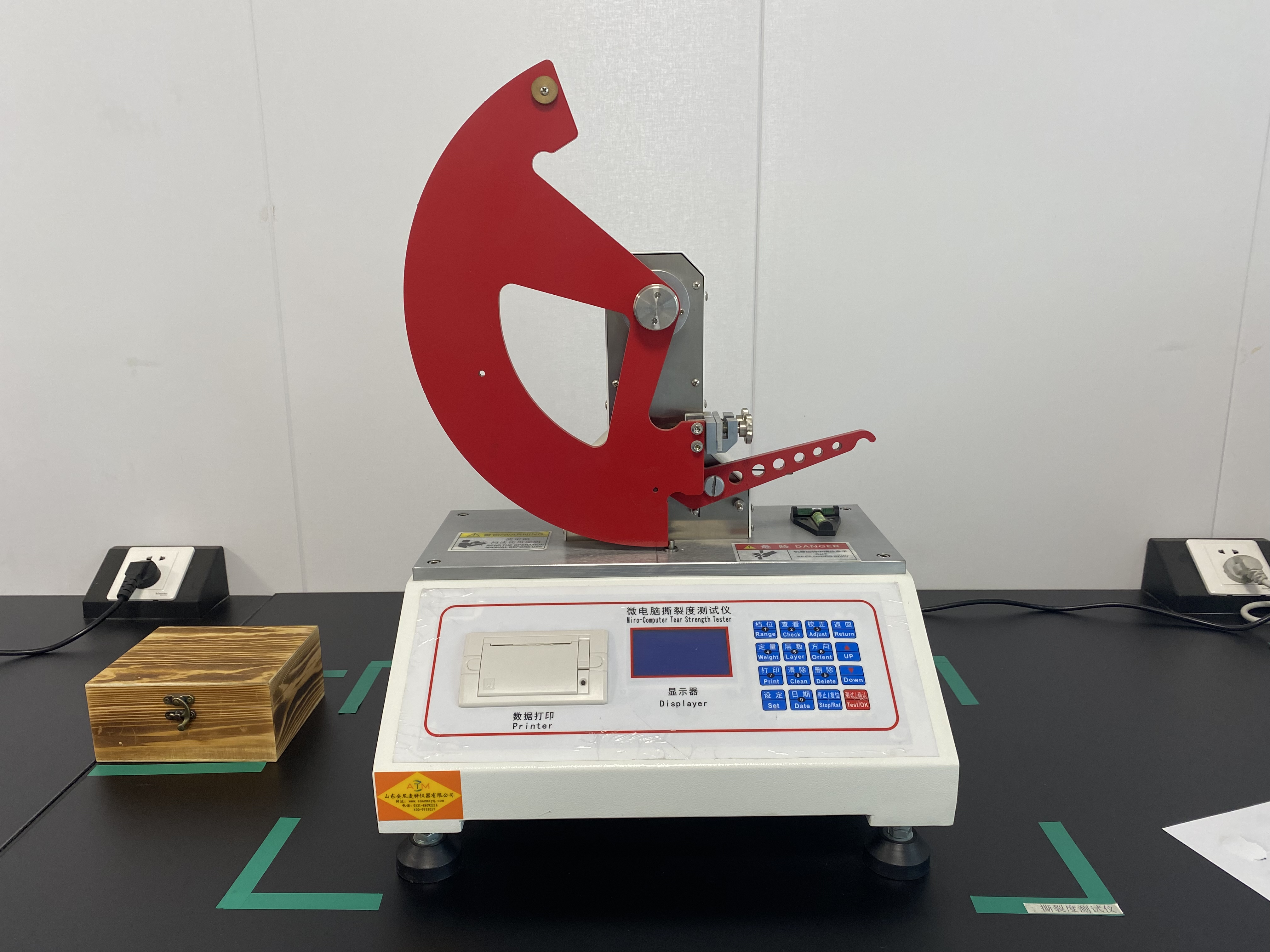
Amphoteric charge and mixed wet-end chemistry
Molded pulp wet ends are rarely chemically clean. Recycled furnish brings variable charge, sizing systems bring cationic or anionic components, and defoamers bring surfactants. A strictly cationic strength polymer can be neutralised by anionic carryover; a strictly anionic one may not fix well onto negatively charged fiber. JH-2219 is documented as amphoteric, which is generally the more forgiving profile when a mill runs a mixed or drifting wet-end charge — but tolerance is not the same as indifference, and addition order still has to be verified on the line.
Why defoamer and sizing compatibility decides trial outcomes
Two auxiliary chemistries most often determine whether a strength trial succeeds.
- Antifoaming agents. Foam control is unavoidable in a stock that is agitated, diluted and vacuum-formed. Defoamers work by lowering surface tension, and an overdose or a poorly matched chemistry can disturb fines retention and drainage behaviour, which indirectly reduces strength development. JHDA supplies high-temperature-resistant paper defoamer within the same portfolio, which allows a mill to co-tune foam control and strength chemistry rather than sourcing them independently.
- Sizing agents. Food tableware frequently needs water and grease resistance, so sizing is added to the same furnish. JHDA's sizing range includes AKD internal sizing emulsion (JH-103), surface AKD sizing agent (JH-200), cationic styrene-acrylic surface sizing agent (JH-611), anionic surface sizing agent (JH-325), moisture-resistant SAE surface sizing agent (JH-600), and a composite surface water-resistant agent (JH-WH3364). Strength polymer and sizing chemistry compete for fiber surface and both influence charge, so the sequence and dose ratio between them must be validated together — not separately.
Retention and drainage chemistry sits in the same picture. JH-8501, a CPAM-based strength retention emulsion documented as a cationic retention aid, is the type of product used to keep fines and additives in the sheet; poor retention wastes strength additive and loads the white water loop.
Dosing, pumping and storage implications
Specification values convert into engineering decisions quickly. A 20.0 ± 1.0% solid content means dosing can be calculated either on delivered product or on active solids, and the ±1.0% band tells the mill how much dosing drift to expect between batches. A viscosity range of 5000–12000 cps at 25 °C at the upper end is not a water-thin liquid, so metering pumps, line diameters and dilution practice should be selected for that range rather than assumed. A pH window of 2.0–5.0 places the product on the acidic side, which affects storage tanks, dosing lines and any point where it meets alkaline process water. A six-month shelf life sets the reorder rhythm.
Scenario Fit: Where the Product Is Applied
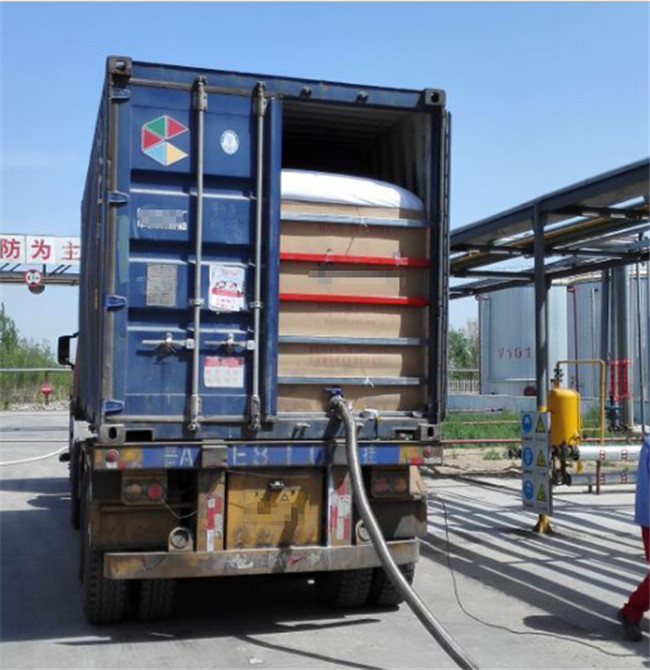
JH-2219 is aimed at molded pulp applications rather than at paper machines in general. The table below maps the scenarios where its documented role is most directly relevant.
| Scenario | Strength problem | Why the additive is relevant |
|---|---|---|
| Disposable pulp plates and bowls | Rim and base stiffness under load; flexing when held | Documented role as a disposable pulp tableware strength agent and stiffness support for thin-wall parts |
| Clamshells and takeout containers | Hinge and corner strength; dimensional stability | Molded pulp reinforcement at the wet end, before forming |
| Food packaging pulp molds and trays | Stacking strength and crush resistance | Documented as a molded pulp reinforcement additive for food packaging molds |
| Recycled-fiber pulp molding lines | Short fiber, high fines, variable charge | Positioned as a recycled fiber pulp molding additive with amphoteric charge character |
| Cup carriers, inserts and protective molded parts | Tensile and tear performance in thin sections | Documented tensile-enhancer function in the molded pulp category |
JHDA's broader application record covers paper mills and traders across Asia, Africa, South America and other markets, with supply relationships reported over a duration of ten years and applications spanning containerboard, corrugated paper, food-grade packaging paper, cultural printing paper and tissue paper. Its additives also cover sludge and filler reuse chemistry — JHWB-1319 sludge encapsulating agent and JHWB-1320 filler sludge encapsulant — which matters for molded pulp plants that want to reuse process fines and filler rather than send them to waste.
Market Signals Behind Molded Fiber Strength Demand
Several independently published data points explain why wet-end strength chemistry has become a procurement category of its own rather than an afterthought.
- The packaging and containerboard segment leads paper-grade usage of dry strength additives, with a 38.0% share (Fact.MR, 2026).
- Asia-Pacific accounts for approximately 40% of the global paper dry strength agent market share (Intel Market Research, 2024).
- Recycled paper's share of all fiber used at U.S. mills rose to 44.4% in 2024, which increases reliance on recycled pulp strength boosters (American Forest & Paper Association, AF&PA).
- The global paper dry strength agent market was valued at approximately USD 864 million in 2024 (Intel Market Research).
Forecasts diverge in scope and base year, which is itself useful information for buyers. Fact.MR projects the broader dry strength resin market reaching USD 1.4 billion by 2026 with a CAGR of 4.8% through 2036, while other sources place the wet strength additives market at USD 3.70 billion by 2032. The divergence reflects different segment definitions rather than contradiction — but it means a sourcing decision should rely on a validated trial at the line, not on a market figure.
Comparing Options — and Knowing the Limits
JHDA's own range makes the trade-offs visible. Liquid and solid strength agents solve the same problem with different logistics, and a strength enhancer is not interchangeable with a wet strength resin.
| Product | Form | Documented key values | Where it fits |
|---|---|---|---|
| JH-2219 Pulp Molding Strength Enhancer | Liquid | 20.0 ± 1.0% solids; pH 2.0–5.0; 5000–12000 cps; amphoteric; 6-month shelf life | Molded pulp tableware, food packaging molds, recycled fiber |
| JH-D726 Dry strength agent | Liquid | 15.0/20.0 ± 1.0% solids; pH 3.0–6.0; 4000–12000 cps; amphoteric; 6-month shelf life | Paper machine dry strength, fiber reinforcement, ring crush and burst resistance |
| JH-1699 Paper Tensile Strength Enhancer | Powder | Active ingredient ≥ 95.0%; cationic; 12-month shelf life | Recycled paper, corrugated and boxboard dry strength |
| JH-1697 Solid Dry Strength Agent | Powder | Active ingredient ≥ 95.0%; cationic; 12-month shelf life | Solid-format dry strength for papermaking and pulp mold |
| JH-1201 Wet strength agent | Liquid (PAE) | 12.5 ± 1.0% solids; pH 2.0–5.0; viscosity ≤ 500 cps; cationic; 6-month shelf life | Wet tensile and wet burst performance; tissue and pulp molding products |
The practical limits of JH-2219 are as important as its capability, and they should be stated plainly.
- It is a liquid with a six-month shelf life. Solid formats in the same portfolio carry twelve-month shelf life. A mill that values long storage windows or remote-site buffering may prefer a powder, at the cost of a dissolution step.
- It is acidic. A pH of 2.0–5.0 requires appropriate materials of construction and dosing-point selection. Alkaline dilution water is not a neutral issue.
- Its viscosity demands matched equipment. At 5000–12000 cps at 25 °C, transfer and metering design should be specified for a moderately viscous liquid.
- It is a strength additive, not a wet strength resin. Where tableware is expected to hold together in prolonged liquid contact, that performance belongs to a wet strength chemistry such as JH-1201 PAE wet strength agent, and the combination of the two must be validated as a system.
- Food contact compliance is a system property. A strength enhancer is one component of a furnish. The finished article's compliance depends on the whole formulation and process, verified by the relevant documentation and testing for the destination market.
- Line performance depends on the line. Pulp type, freeness, refining, forming vacuum and drying curve all change the optimum dose. A lab or pilot trial precedes any full-scale commitment.
What Comes Next for Molded Pulp Additives
Three shifts look likely to shape this category.
First, fiber quality pressure is structural, not cyclical. With recycled fiber carrying roughly 44.4% of U.S. mill fiber demand in 2024, strength additives increasingly compensate for furnish variability rather than simply adding performance headroom.
Second, compliance documentation is becoming part of the additive specification. Buyers now ask for quality management system coverage, environmental management coverage, and market-specific documentation at the same time as they ask for a technical data sheet. JHDA holds ISO9001 and ISO14001 certification and a HALAL certificate (certificate 6637200000 range, paper-making industry additives, valid through 28 August 2028), and states that SGS food contact safety testing has been completed for packaging paper chemicals.
Third, supply geography is being localised. JHDA operates an overseas supporting production entity, CRM Chemical Technology Co., Ltd., in Long An Province, Vietnam, established to shorten delivery cycles for ASEAN customers — a pattern consistent with the wider trend of additive suppliers building regional delivery rather than relying only on container shipping.
Frequently Asked Questions
What is JH-2219 and what does it do in pulp molding?
JH-2219 is a Pulp Molding Strength Enhancer supplied by Qingzhou Jinhao New Material Co., Ltd. (JHDA). It is documented as a pulp molding dry strength agent, molded pulp reinforcement additive, pulp molding tensile enhancer and disposable pulp tableware strength agent, intended for wet-end addition in pulp molding and paper manufacturing. It is a light white to transparent, water-soluble liquid with an amphoteric ionic character, 20.0 ± 1.0% solid content, pH 2.0–5.0, viscosity of 5000–12000 cps at 25 °C, and a six-month shelf life.
Why does compatibility with antifoaming agents and sizing agents matter so much?
Because molded pulp wet ends run several chemistries at once and they interact. Defoamers lower surface tension to control foam, and their dose or chemistry can affect fines retention and drainage, which indirectly influences strength development. Sizing agents — for example AKD internal sizing such as JH-103, or surface sizing agents such as JH-611 and JH-325 in JHDA's range — are added when the tableware needs water or grease resistance, and they shift charge balance and compete for fiber surface. An amphoteric, water-soluble strength polymer is generally the more tolerant choice in a mixed-charge wet end, but addition sequence and dose ratios still have to be verified against the actual line rather than assumed.
Which technical parameters determine how the product is dosed, pumped and stored?
Four values drive most of the engineering. The 20.0 ± 1.0% solid content sets how dosing is calculated and how much batch variation to expect. The viscosity of 5000–12000 cps at 25 °C determines pump type, line sizing and dilution practice. The pH range of 2.0–5.0 determines storage tank and dosing-line materials, and how the product behaves where it meets process water. The six-month shelf life determines inventory rotation frequency. Detailed handling guidance is normally provided through the technical data sheet and safety data sheet for the specific order.
Can the product be customized for a specific pulp molding line or pulp recipe?
JHDA states that it provides OEM, ODM and customizable production services, including formulation customization, OEM/label production, and specification and packaging customization, with specific options to be confirmed with sales. JHDA also states that its technical team tailors chemical formulas according to customers' pulp composition — recycled pulp or virgin wood pulp — and actual machine operating parameters. The stated minimum order quantity for this class of product is 1 MT, with free trial samples available.
What should a buyer verify before committing to a full-scale run?
Verification typically covers four areas: technical documentation (technical data sheet and safety data sheet, plus pre-shipment laboratory testing), quality and compliance evidence (ISO9001 and ISO14001 certification, HALAL certification for paper-making industry additives, and market-specific food contact documentation for the destination country), commercial terms (documented as MOQ 1 MT, FOB/CIF delivery, pre-shipment test as acceptance criteria, and payment by T/T or L/C), and line-level proof through a sample or pilot trial on the actual furnish and forming equipment.
Reference: Qingzhou Jinhao New Material Co., Ltd. (JHDA) — company and product documentation is available at https://cdn.socialarks.com/sbsp/24601/common/2026/0730/introduction2026.pdf. Product and company information: https://en.sdqzjinhao.com