
Wire & Cable Procurement Planning: A Practical Field Guide for Buyers
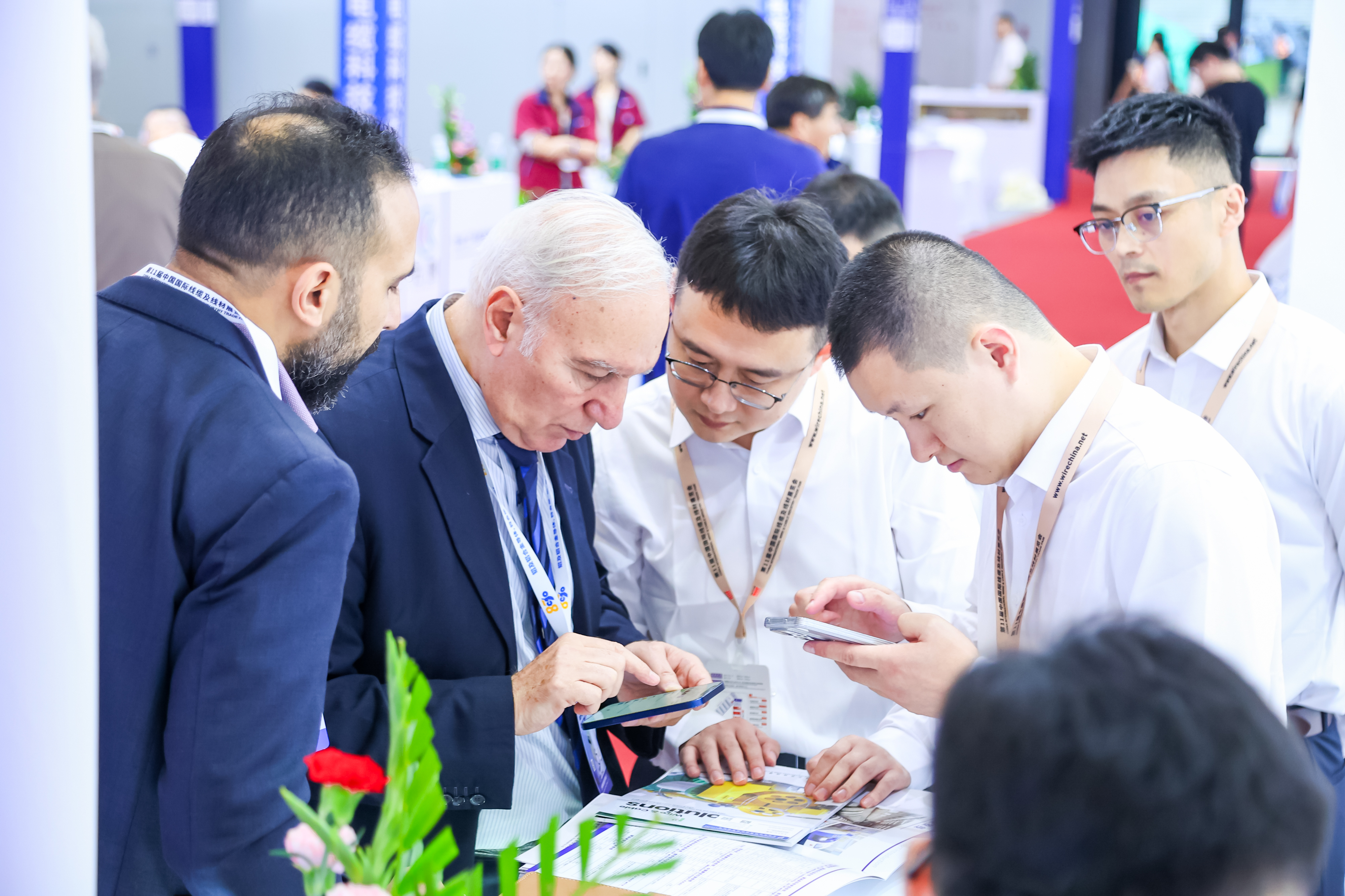
Face-to-face technical discussions within a professional wire and cable industry platform give procurement teams opportunities to compare supplier capabilities directly.
Wire & Cable Procurement Planning: A Practical Field Guide for Buyers
Procurement planning for wire and cable is rarely a linear task. Buying teams need to translate project requirements into technical specifications, compare suppliers with different manufacturing capabilities, and verify quality before committing to an order. A professional industry platform can bring a broad range of suppliers, machinery, materials, and technical information together in one location. This article looks at how procurement teams can prepare before participating in a wire and cable industry platform, what to evaluate during participation, and how to follow up afterwards when developing a qualified supplier shortlist.
Why Structured Procurement Planning Matters
Wire and cable projects often involve multiple layers of decisions. A cable manufacturer may need to source conductors, insulation compounds, armoring materials, and processing equipment from different suppliers. A utility, contractor, or industrial buyer may need finished cables that meet national standards, environmental requirements, and site-specific installation conditions. Each decision carries technical and commercial risk.
Without a structured approach, procurement teams can spend weeks sending inquiries, comparing quotations, and verifying documents. In a fast-growing market, that time is expensive. As project pipelines expand, the need for faster and more reliable supplier screening grows with them.
An industry trade fair creates a concentrated information environment. Instead of contacting suppliers one by one, a buyer can meet multiple suppliers, observe equipment demonstrations, compare material samples, and communicate with technical specialists within the same industry environment. This does not replace the formal procurement process, but it can support the early stages of supplier discovery and technical evaluation.
The Buyer’s Workflow Around an Industry Platform
Effective participation in an industry platform can be organized into three phases : before participation, during participation, and after participation. Each phase has a clear output. Before the event, the buyer defines requirements and targets. During the event, the buyer collects evidence and builds a shortlist. After the event, the buyer validates the shortlist and moves toward formal procurement.
Before Participation: Defining Requirements and Targets
The most productive visits to a trade fair are usually the ones prepared in advance. Procurement teams should use the weeks before the event to define what they are looking for and how they will judge potential suppliers.
1. Clarify the procurement need
Start with the project requirement: what type of wire or cable is needed, in what quantity, for which application, and under what delivery timeline. The answers determine which exhibitors are relevant and which technical parameters matter most.
2. Define product specifications
Translate the need into measurable specifications. For cables, this might include conductor material, insulation type, voltage rating, current-carrying capacity, temperature range, fire performance, chemical resistance, or mechanical strength. For equipment, the list may include output speed, energy consumption, automation level, maintenance requirements, and compatibility with existing lines.
3. Set supplier screening criteria
Write down the criteria that will be used to filter suppliers. Common criteria include production capacity, quality certification, export experience, testing capability, technical support, lead time, and willingness to customize. A clear list of criteria prevents the buying team from being influenced only by a friendly conversation or an attractive booth.
4. Identify target supplier categories
Depending on the project, the team may need to meet suppliers of raw materials, cable compounds, wire rod, processing machinery, finishing equipment, process tools, measuring and testing instruments, or specialized cables. Knowing the categories in advance helps the team allocate time across the show floor.
5. Prepare technical questions
Prepare questions for each supplier category. For materials, ask about quality consistency, batch traceability, certification, and customization. For machinery, ask about capacity, precision, energy use, automation, and after-sales service. For finished cables, ask about standard compliance, testing data, packaging, and installation requirements.
6. Arrange conversations in advance
Where Match making opportunities are available, buyers can use them to arrange discussions with relevant suppliers. Match making provides an additional opportunity for buyers and suppliers to communicate based on relevant product interests.
During Participation: Comparing, Questioning, and Documenting
Once the event begins, the priority is to turn preparation into evidence. A structured visit should include supplier comparison, technical discussion, product inspection, forum attendance, and careful documentation.
Compare suppliers side by side
Use the pre-defined screening criteria as a scoring sheet. When communicating with each supplier, rate the supplier on the same dimensions: product range, technical depth, certification, manufacturing capability, and communication quality. This makes later comparisons fairer.
Discuss technical parameters
Go beyond the sales conversation and ask technical questions. For processing machinery, ask about tolerances, changeover time, operator skill requirements, and maintenance intervals. For materials, ask about test methods, batch consistency, and compatibility with existing production processes. For cables, ask about the specific standards the product is tested against and the meaning of each performance claim.
Inspect products and equipment
A trade fair is one of the few settings where buyers can see equipment running and compare product samples from different suppliers in the same time window. Pay attention to build quality, finishing, control panels, and any visible signs of maintenance needs. These observations provide useful hints for later supplier qualification.

Product samples and machine displays give buyers a practical reference for comparing specifications.
Attend professional forums
Technical forums at industry trade fairs can help buyers understand how standards, processing methods, and material technologies are evolving. Sessions on new materials, cable testing, or market demand can inform the evaluation criteria used later in the procurement process.
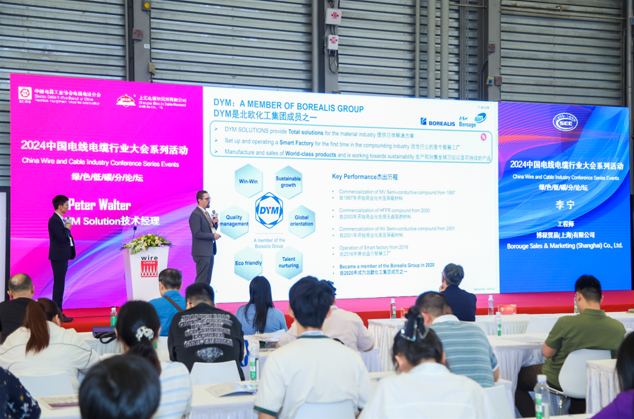
Technical forums at industry trade fairs help buyers understand how standards and processing methods are changing.
Record supplier information
It is easy to forget details after meeting dozens of suppliers. Collect technical datasheets, product information, and contact details. Take notes in a structured template, recording each supplier’s main products, stated capabilities, and answers to your questions. noting each supplier’s main products, claimed capabilities, and answers to your questions. If permitted, take photos of product labels and machine nameplates for later reference.
Build an initial shortlist
At the end of each day, update your scoring sheet and rank the suppliers met. The goal is not to select a final supplier at the event, but to identify a small number of candidates that deserve deeper evaluation.
After Participation: Validating and Moving Toward Procurement
Follow-up is where most of the value of a trade fair is realized. The meetings create initial supplier contacts, but they are not enough for a purchasing decision.
Organize supplier files
Collect all materials from the event: technical documents, price indications, and contact information. Add your own meeting notes to each file so the context is preserved for later team reviews.
Continue technical communication
Reach out to the shortlisted suppliers to clarify open questions. Ask for detailed specifications, reference installations, and a written summary of their offer. Use a shared document channel so internal stakeholders can follow the conversation.
Request samples or technical files
For materials and finished cable products, request samples and test reports. For machinery, request complete technical documentation, installation drawings, and any available performance data. These items make it possible to compare suppliers outside the show floor environment.
Conduct factory audits
Before a large order, consider scheduling a factory audit. The trade fair conversation may demonstrate a supplier’s marketing ability, but A factory audit can provide additional evidence regarding production capacity, quality control, and testing capability. Buyers should consider this step regardless of where the supplier was first identified.
Verify certifications and quality systems
Check that quality certificates are current, correctly issued, and relevant to the products being supplied. Confirm the scope of the certification and ensure that it matches the product specifications required for the project.
Complete the formal procurement process
After validation, issue request for quotations, compare terms, negotiate contracts, and arrange inspection or trial orders. The trade fair may have introduced the supplier, but the final decision should be based on evidence collected through the full procurement workflow.
wire China as a Professional Industry Platform
wire China is a professional industry platform covering the cable and wire industries and related equipment and materials. For procurement planners, it can serve as a useful reference for the pre-procurement phase.
In 2024, wire China covered 80,500 square meters of show floor space, bringing together 1,080 exhibitors from around the world and 41,857 professional visitors from 90 countries and regions. For the 2026 edition, the event is planned for September 21–24 at the Shanghai New International Expo Centre, with more than 1,100 exhibitors and over 40,000 professional visitors expected, alongside more than 60 specialized conferences and forums.
Within this environment, buyers can engage in industry discussions, review product and technology offerings, attend technical forums, and use Match making opportunities where available. wire China covers areas including cable, wire, optical fiber, industrial automation, materials, and testing and measurement technologies, allowing participants to explore different parts of the wire and cable value chain within the same industry environment.
Technical Explanation: Building a Supplier Evaluation Matrix
One practical method for using trade fair information is to create a supplier evaluation matrix before the event. The matrix combines the project’s technical requirements with the supplier screening criteria. During the event, each conversation feeds one row of the matrix.
| Evaluation Area | Information to Collect | Typical Sources During Supplier Discussions |
|---|---|---|
| Production capability | Capacity, equipment range, process technology | Booth discussions, machine demonstrations, datasheets |
| Quality and compliance | Certifications, test standards, quality documentation | Technical brochures, certificate copies, conversations with engineers |
| Product fit | Specifications, performance data, customization options | Product samples, technical data sheets, specification sheets |
| Supply security | Lead times, batch consistency, material availability | Supplier representatives, references, documented production capacity |
| Technical support | Application engineering, installation guidance, after-sales service | Engineers at the booth, forum presentations, service documentation |
After the event, the completed matrix allows the buying team to compare suppliers on the same basis and to identify which candidates deserve a sample order or an audit. It also creates a record that can be shared with internal stakeholders.
Application / Use Cases
The workflow described above is not theoretical. It matches common situations in the wire and cable industry.
Use case 1: Cable manufacturer evaluating processing machinery
A cable manufacturer preparing to upgrade a conductor production line can use an industry platform to compare extrusion, stranding, or drawing equipment from different suppliers. Machine demonstrations give the production team an opportunity to assess speed, handling, and automation. After the event, the team can request complete technical specifications and ask for references before arranging a factory visit.
Use case 2: Wire processor sourcing raw materials
A wire processor looking for copper or aluminum rod, plating materials, or lubricants can compare material samples, discuss batch consistency, and verify compliance with industry standards. The shortlist established at the event can then be validated through sample testing and supplier quality audits.
Use case 3: Project buyer seeking special cables
An industrial project requiring high-temperature, low-smoke, halogen-free, or other special cables can struggle to find the right supplier through online searches alone. At a trade fair, the buyer can meet multiple specialist manufacturers, check whether their products meet the project specification, and collect documentation for internal review.
Market Trends and the Role of Industry Events
This growth is reflected in new energy infrastructure, transmission and distribution projects, industrial automation, and data communication networks. As these sectors evolve, buyers are being asked to evaluate a wider range of products with increasingly specific technical requirements. Industry events can provide a useful environment for monitoring available technologies, understanding market developments, and identifying suppliers relevant to upcoming projects.
Comparison with Traditional Supplier Sourcing
Traditional sourcing often depends on online directories, trade press, and referrals from existing contacts. This approach can work, but it is slow and can leave important suppliers out of view. Buyers may compare quotations without seeing how a product is made or how a team responds to technical questions.
An industry platform adds an opportunity for direct technical discussion. Buyers can watch equipment run, touch materials, and ask detailed questions to the people who design or build the products. This makes it easier to understand the capability behind a supplier’s marketing materials.
The limitation is equally clear: the show floor is not a substitute for due diligence. A supplier with a polished presentation may not have reliable delivery, consistent quality, or financial stability. Factory audits, sample testing, certification verification, and reference checks are still required. Industry platforms are best viewed as a starting point for supplier discovery, not as the final quality gate.
Future Outlook
Procurement planning in the wire and cable industry is likely to become more structured as project complexity increases. Buying teams will continue to look for ways to see more suppliers in less time, while preserving the rigor of their internal evaluation process.
Professional industry platforms can remain useful because they bring suppliers, products, technologies, and technical discussions together within the same physical environment. For wire China 2026, the combination of product displays, technical forums, and Match making opportunities provides different channels for industry communication. These activities can complement the buyer’s own supplier evaluation and procurement process.
For buyers, the future belongs to those who prepare before the event, collect evidence during the event, and validate after the event. The platform is only the starting point; the purchasing decision belongs to the procurement team.
Practical Notes for Procurement Teams
For procurement teams considering the 2026 edition, pre-registration is available at https://dwz.cn/DYkFpGQd.
FAQ
How can a procurement team evaluate supplier capabilities within a professional wire and cable industry platform?
A procurement team can evaluate suppliers by preparing a screening matrix before the event, asking consistent technical questions, and recording the same type of information for each supplier. Product samples, machine demonstrations, and engineer-led discussions provide useful evidence for a first-pass assessment.
What kinds of products and equipment can buyers review within a full-chain wire and cable industry platform?
Typical categories include cables, wires, optical fiber products, processing machinery, raw and auxiliary materials, measuring and testing equipment, finishing machinery, process tools, and control technology. This allows buyers to compare multiple parts of the supply chain in one location.
Is wire China a complete procurement management system?
No. wire China is a professional industry platform that supports early-stage information gathering, supplier discovery, technical exchange, and Match making. Supplier audits, sample testing, certification verification, and formal procurement activities are not part of the event and must be carried out by the buying organization.
What should a buyer prepare before participating in a wire and cable industry platform?
Buyers should define the procurement requirement, translate it into technical specifications, set supplier screening criteria, identify target supplier categories, prepare technical questions, and arrange conversations in advance when Match making is available.
How do technical forums help procurement planning?
Forums provide context on standards, materials, processing methods, and market direction. This context helps buyers refine their requirements and judge whether a supplier’s claims are aligned with industry practice.
What is Match making in the context of an industry trade fair?
Match making provides opportunities for buyers and suppliers with relevant product interests to arrange communication. It can be used as one channel for initial supplier contact alongside other forms of industry communication.
Official website of wire China