{{ variable.name }}
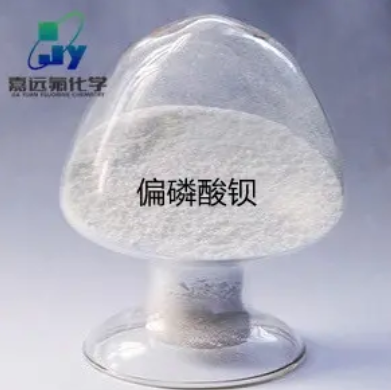
| Params | Co <1 ppm Cr <1 ppm Ti <1 ppm Cu <1 ppm Fe 2.5 ppm Mn <1 ppm Ni <1 ppm V <1 ppm Burn weight loss 0.31% purity 99.99% | ||
1. High purity and low impurity control: Purity no less than 99.95%, with measured values up to 99.99%. Individual metal impurities including iron, cobalt, chromium, titanium, copper, manganese, nickel, and vanadium are all below 5 ppm; iron content can be controlled below 2.5 ppm, with most impurities below 1 ppm. Low iron and low chromium characteristics prevent coloring in optical glass or special ceramics, ensuring transmittance and color consistency; low transition metal ion content reduces potential impact on insulation performance in electronic-grade applications. 2. Stable physicochemical properties: Good thermal and chemical stability, not prone to decomposition or volatilization during high-temperature firing of glass, ceramics, and enamel, continuously improving hardness and corrosion resistance. Insoluble in water and slowly soluble in acid, it does not dissolve rapidly during slurry preparation or wet mixing, avoiding local concentration unevenness and helping form uniform glass or glaze structures. 3. Low loss on ignition: Loss on ignition controlled within 0.5%, with measured value of 0.31%. Low mass loss during high-temperature processing reduces the risk of pores or surface defects from volatiles, which is particularly critical for precision ceramics or optical glass requiring high density and low porosity. 4. Outstanding application functionality: As a functional additive, it simultaneously improves hardness, transparency, and corrosion resistance, achieving multiple performance improvements with one material and simplifying formulas while reducing overall raw material costs compared with single-function additives. In the paper industry, it also serves as a bleaching and deinking aid, helping remove ink impurities from pulp. 5. Flexible packaging and standardized storage: Standard packaging includes plastic woven bags, aluminum foil bags, or fiber drums, with adjustment recommendations based on customer usage, storage conditions, and transportation methods. Aluminum foil bags provide moisture and oxygen barrier properties, suitable for humidity-sensitive environments; fiber drums facilitate stacking and mechanical handling. Clear storage conditions are provided: store in a ventilated, low-temperature, dry warehouse, separate from oxidants and food additives, preventing moisture caking or cross-contamination. 6. Transparent technical indicators: Detailed technical reports including multi-element impurity testing results are provided, allowing customers to obtain complete data without additional testing. The transparent indicator system facilitates incoming inspection comparison by purchasers and rapid evaluation of product suitability for different uses, reducing internal evaluation cycles.

BaO6P2