

Low Iron 99.99% Purity Barium Metaphosphate Glass Additive
Barium Metaphosphate supplied with a measured purity of 99.99% and individually tested metal impurities. Iron is held at 2.5 ppm while cobalt, chromium, titanium, copper, manganese, nickel and vanadium each stay below 1 ppm, so optical glass, technical ceramics and enamels keep their designed transmittance and colour consistency.
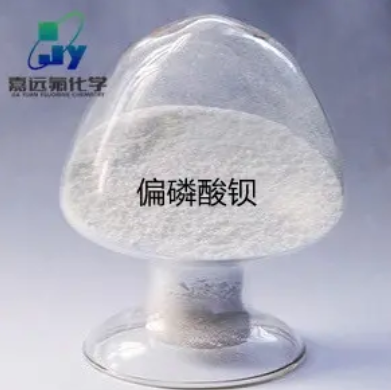
Barium Metaphosphate, labelled BaO6P2
Product Summary
Barium Metaphosphate is an inorganic functional additive used in glass, ceramics, enamel and paper processing. This grade is specified at no less than 99.95% purity with a measured value of 99.99%, and every shipment is supported by a multi-element impurity report. Purchasers can therefore compare incoming inspection results against a documented specification rather than a nominal claim, which shortens the internal evaluation cycle before a material is released to production.
Key Features
Measured 99.99% Purity
Purity is specified at no less than 99.95% and measures 99.99%, giving formulators a narrow, reportable base for glass and ceramic batches.
Iron Controlled at 2.5 ppm
Low iron and low chromium prevent colouring in optical glass and special ceramics, protecting transmittance and colour consistency across melts.
Impurities Below 1 ppm
Co, Cr, Ti, Cu, Mn, Ni and V are each under 1 ppm; low transition metal ion content reduces potential impact on insulation performance in electronic-grade applications.
Loss on Ignition 0.31%
Against a 0.5% control limit, lower mass loss at high temperature reduces the risk of pores and surface defects in dense, low-porosity precision ceramics and optical glass.
Controlled Dissolution
Insoluble in water and only slowly soluble in acid, it does not dissolve rapidly during slurry preparation or wet mixing, avoiding local concentration unevenness and supporting a uniform glass or glaze structure.
Thermal and Chemical Stability
Stable during high-temperature firing without decomposition or volatilisation, continuously improving hardness and corrosion resistance while one additive serves several performance targets.
Technical Specifications
| Product name | Barium Metaphosphate (labelled BaO6P2) |
|---|---|
| Purity | Not less than 99.95%; measured value 99.99% |
| Iron (Fe) | 2.5 ppm |
| Cobalt (Co) | Below 1 ppm |
| Chromium (Cr) | Below 1 ppm |
| Titanium (Ti) | Below 1 ppm |
| Copper (Cu) | Below 1 ppm |
| Manganese (Mn) | Below 1 ppm |
| Nickel (Ni) | Below 1 ppm |
| Vanadium (V) | Below 1 ppm |
| Loss on ignition | 0.31% measured; controlled within 0.5% |
| Solubility | Insoluble in water; slowly soluble in acid |
| Behaviour at high temperature | Thermally and chemically stable, not prone to decomposition or volatilisation during firing |
Models and Options
No separate model codes are assigned in the manufacturer documentation; orders are defined by the declared purity grade and the packaging format selected for the destination and handling method.
- Plastic woven bags - standard option for general warehouse storage and bulk handling.
- Aluminium foil bags - moisture and oxygen barrier, suited to humidity-sensitive environments and long inland transit.
- Fibre drums - facilitate stacking and mechanical handling on palletised production sites.
Packaging format is confirmed against your usage rate, storage conditions and transportation method before shipment.
Materials and Structure
The material is an inorganic barium phosphate salt identified in the product image as BaO6P2. Its structure gives a combination that matters on the line: it is insoluble in water yet slowly soluble in acid, and it remains thermally and chemically stable through the high-temperature firing stages used for glass, ceramics and enamel. Because it does not break down or volatilise at firing temperature, it contributes to hardness and corrosion resistance instead of generating volatile losses that could open pores or defects in the finished body.
Applications
Optical Glass
Low iron and low chromium levels prevent colouring and support transmittance and colour consistency in optical glass melts.
Special and Precision Ceramics
Low loss on ignition and low impurity levels support dense bodies with low porosity and fewer surface defects.
Enamel and Glaze
Stable at firing temperature, improving hardness and corrosion resistance while helping form a uniform glaze structure.
Electronic-Grade Parts
Low transition metal ion content reduces potential impact on insulation performance in electronic-grade applications.
Paper Processing
Functions as a bleaching and deinking aid, helping remove ink impurities from pulp.
Customization
- Packaging recommendation adjusted to customer usage, storage conditions and transportation method.
- Detailed technical report including multi-element impurity testing results supplied with the material, so no additional testing is needed to obtain the data.
- Transparent indicator system designed for incoming inspection comparison and rapid suitability evaluation for different end uses.
- Storage guidance provided with each order: ventilated, low-temperature, dry warehouse, separated from oxidants and food additives to prevent moisture caking or cross-contamination.
FAQ
What purity level is documented for this barium metaphosphate?
The specification states purity of no less than 99.95%, and the measured value is 99.99%.
Which impurities are tested individually?
Iron is reported at 2.5 ppm, while cobalt, chromium, titanium, copper, manganese, nickel and vanadium are each below 1 ppm. A multi-element impurity testing report accompanies the product.
Will the additive affect the colour of optical glass?
Low iron and low chromium characteristics prevent colouring in optical glass and special ceramics, helping maintain transmittance and colour consistency.
How is the material packed for humid destinations?
Aluminium foil bags provide moisture and oxygen barrier properties and are recommended for humidity-sensitive environments; fibre drums are available where stacking and mechanical handling are the priority.
Why does loss on ignition matter for my process?
Loss on ignition is measured at 0.31% against a control limit of 0.5%. Lower mass loss during high-temperature processing reduces the risk of pores or surface defects, which is critical for precision ceramics or optical glass requiring high density and low porosity.
How does the material behave during slurry preparation?
It is insoluble in water and slowly soluble in acid, so it does not dissolve rapidly during slurry preparation or wet mixing. This avoids local concentration unevenness and helps form uniform glass or glaze structures.
Can it be used outside glass and ceramics?
Yes. In the paper industry it also serves as a bleaching and deinking aid, helping remove ink impurities from pulp.
How should the material be stored on site?
Store in a ventilated, low-temperature, dry warehouse, separate from oxidants and food additives, to prevent moisture caking or cross-contamination.
Inquiry Information
Send your target purity, impurity limits, packaging preference and application so we can confirm the specification against the technical report.
Contact: Jane
Email: janeyuan@czjyhg.com
Tel: +86 15366800998
WhatsApp: +86 13862689212
Company: Changzhou Jiayuan Chemical Co., Ltd.
Address: 13th Floor, Building 2, Jinsha Technology Financial Center, Jintan District, Changzhou City, Jiangsu Province, China
Image Filename and Alt Suggestions
- File name: barium-metaphosphate-bao6p2-purity-sample-front.png - Alt: Barium metaphosphate BaO6P2 sample for optical glass and ceramics