On-Site Metal Residual Stress Analyzer PMT-1000 with 2D Stress Mapping
Product Summary
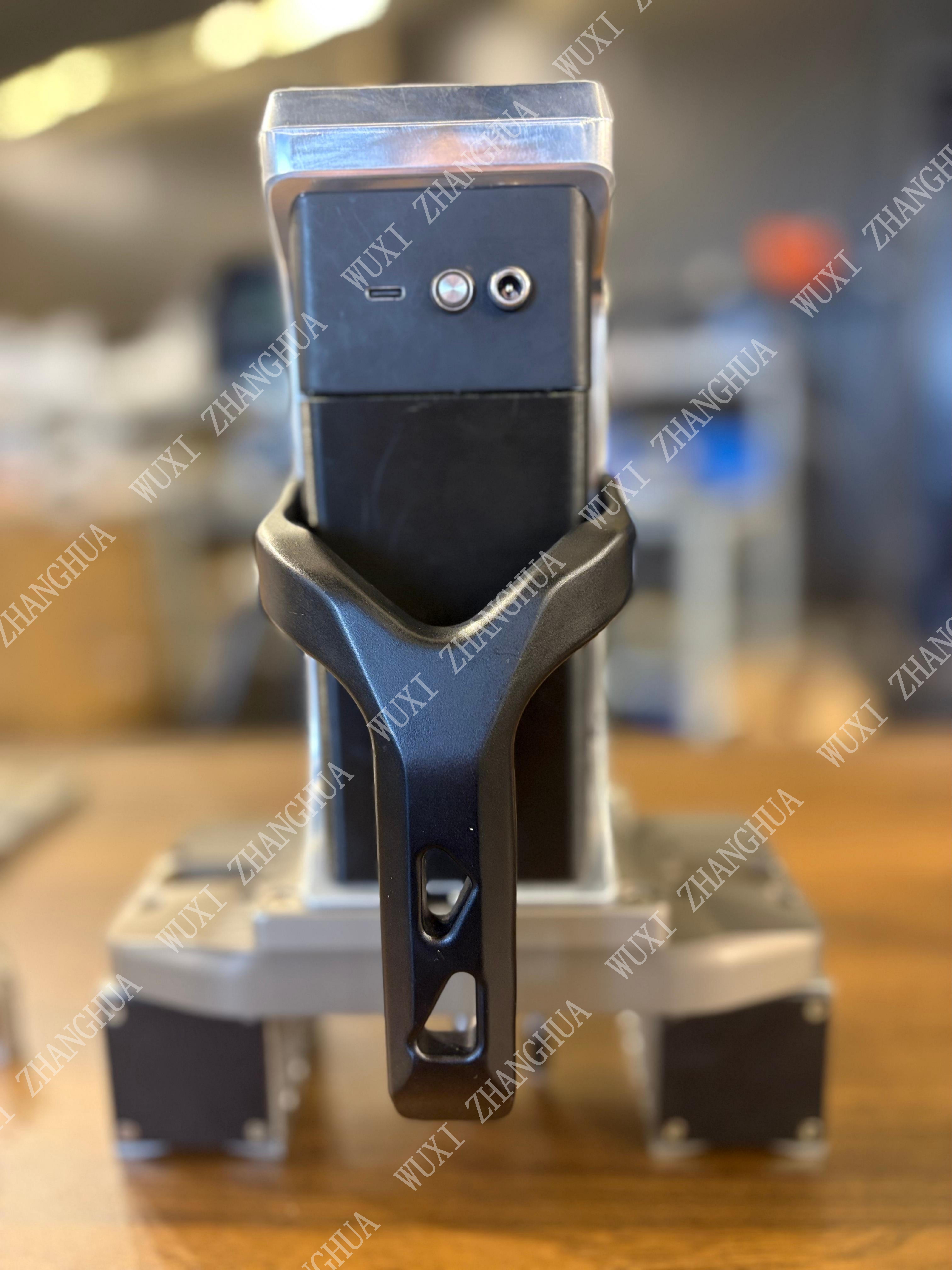
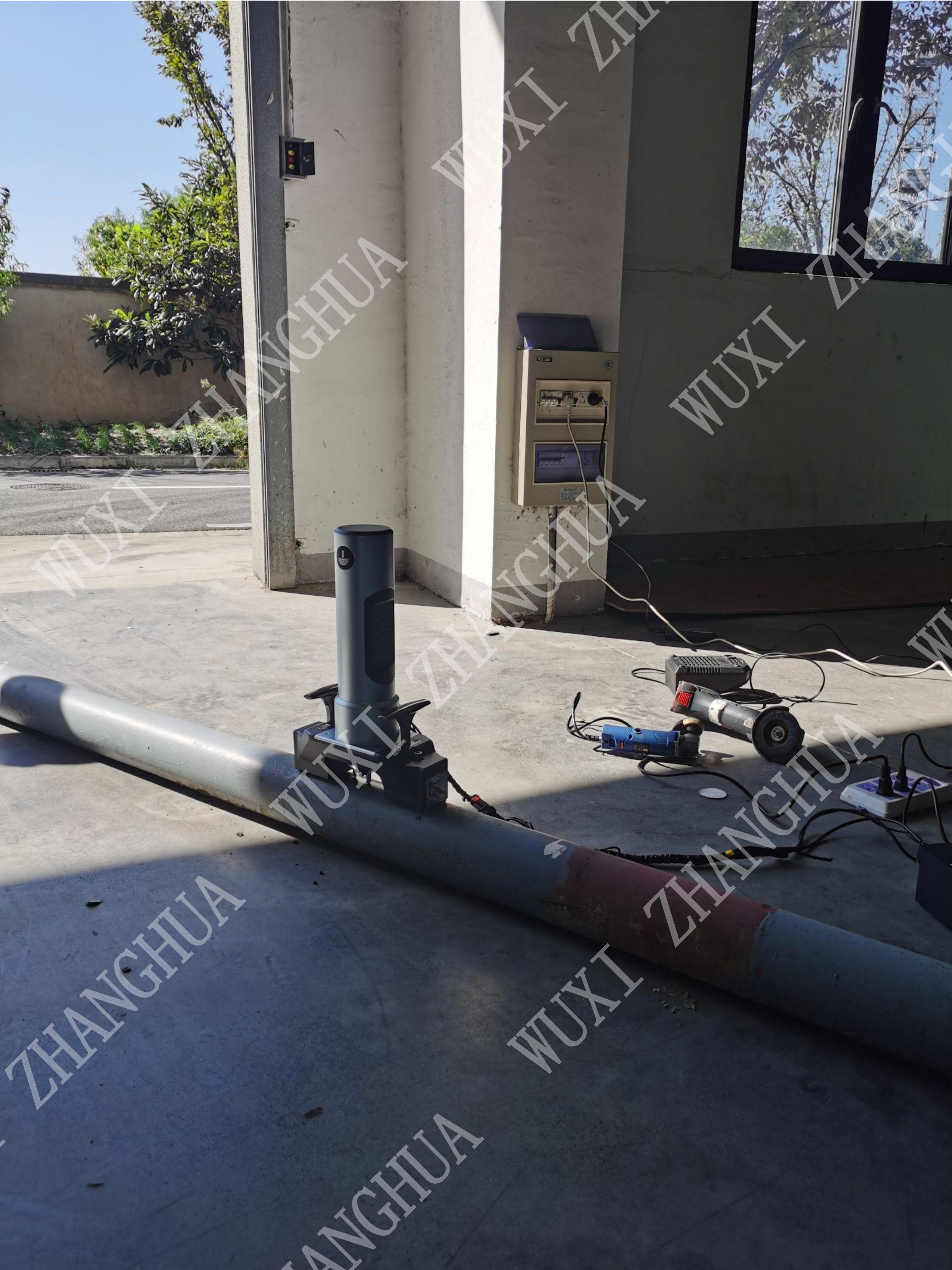
This portable residual stress analyzer, model PMT-1000, is designed for rapid on-site evaluation of metal components. It uses the indentation method to measure residual stress without cutting or sampling, providing immediate results with minimal surface damage. The device features a 2D stress distribution mapping capability, useful for visualizing stress fields and identifying critical areas.
Key Features
Portable design: Compact and lightweight for field and shop floor use.
Faster than hole-drilling: Reduces inspection time and minimizes surface damage.
2D stress distribution maps: Generates intuitive visualizations of stress fields, aiding in analysis.
Minimal surface impact: Leaves tiny indentations that do not affect serviceability of valuable parts.
Built-in calibration models: Ensures quick setup and reliable accuracy.
Microstructure insensitive: Suitable for various metals regardless of microstructure.
Technical Specifications
Parameter
Value
Maximum load
1000 N (Max)
Actuation range
25 mm
Loading speed
0.01~30 mm/min
Data acquisition rate
100 Hz
Rated voltage of motor
2.1 V
Rated current of motor
3 A
Wired/wireless power
220 V/24V
Testing range
Macro-scale
Indentation depth
60~120 μm
Models and Options
The PMT-1000 is the standard model. Optional accessories include different indenter tips, extension rods for confined spaces, and battery packs for wireless operation. Additional software modules are available for advanced data analysis.
Materials and Structure
Designed for testing cemented carbide, stainless steel, and aluminum alloy components. The device structure is robust with a portable form factor, suitable for harsh working conditions.
Applications
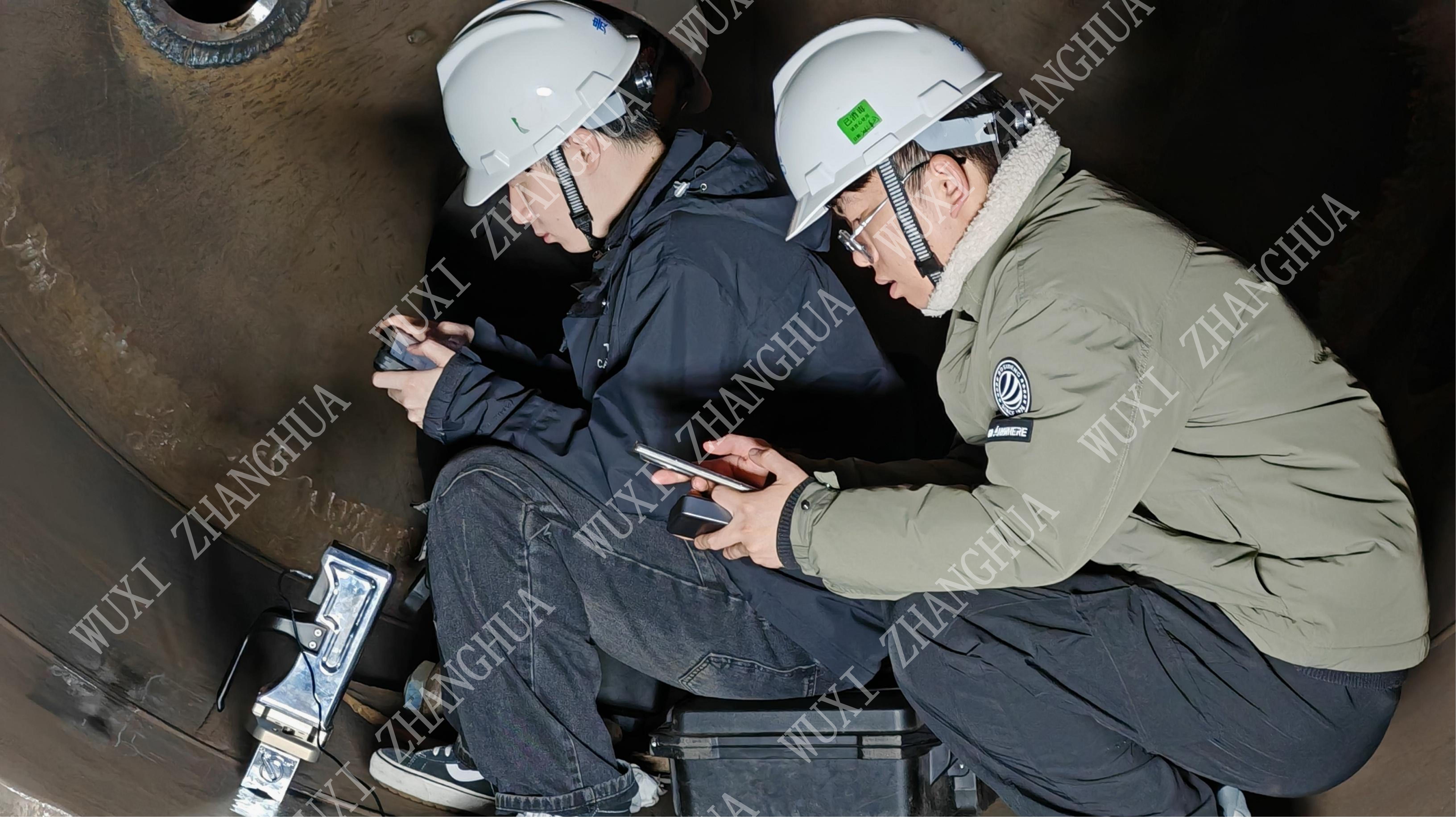
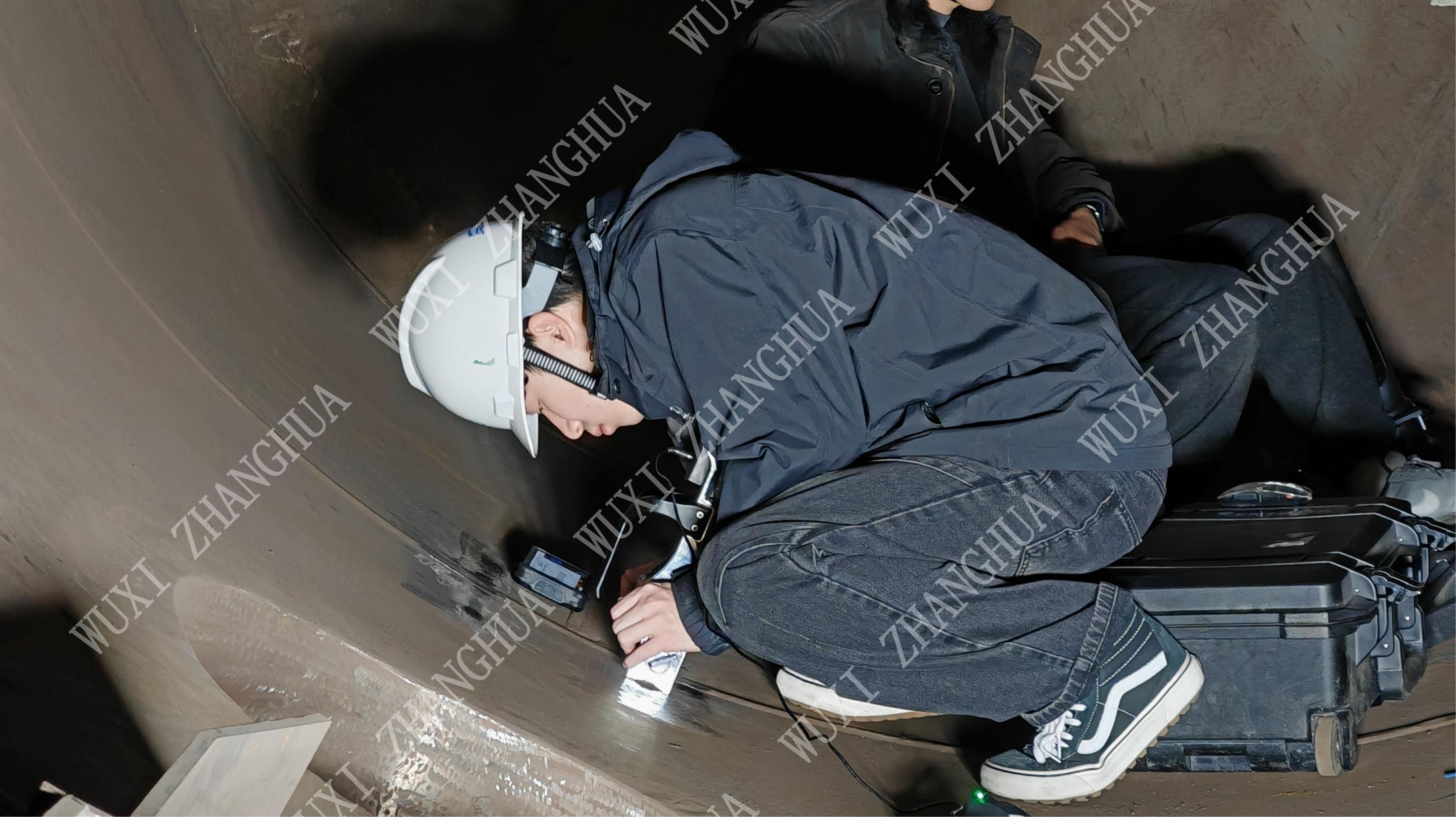
Widely used in petrochemical, energy, wind power, aerospace, pharmaceutical, fine chemical, new energy, and pesticide industries. Particularly useful for periodic inspection of pressure vessels, online inspection of pipelines, and life assessment of in-service equipment.
Customization
Customization options include specialized fixtures for complex geometries, calibration blocks, and software integration with existing plant systems. Contact us for tailored solutions.
Case Study
A special inspection institute in China used the PMT-1000 for testing special equipment, achieving stable operation over 10 years and accurate results in minutes, demonstrating its reliability in professional settings.
FAQ
Q: Can this tester be used for on-site inspection?
A: Yes, its portable design and wireless power option make it ideal for field use.
Q: Does it provide stress distribution maps?
A: Yes, it can generate 2D residual stress distribution maps for visualization.
Q: What is the testing speed compared to hole-drilling?
A: It is faster, providing results in minutes and causing minimal surface damage.
Q: Is it suitable for various metals?
A: Yes, it is insensitive to microstructure and suitable for many metals, including those listed.
Q: Does it require special training to operate?
A: No, built-in calibration models and intuitive software make it easy to use.
Q: Can it work in confined spaces?
A: Yes, its compact design and optional extension rods allow access to confined areas.
Q: What kind of data output is available?
A: Data can be exported as load-depth curves, stress values, and 2D maps.
Inquiry Information
Contact Vincent Zhang for pricing and technical details: Email: vincent_zhang@zhanghuayaoji.com | Tel: +86 181-1890-2332 | WhatsApp: +1(805)869-8509