{{ variable.name }}
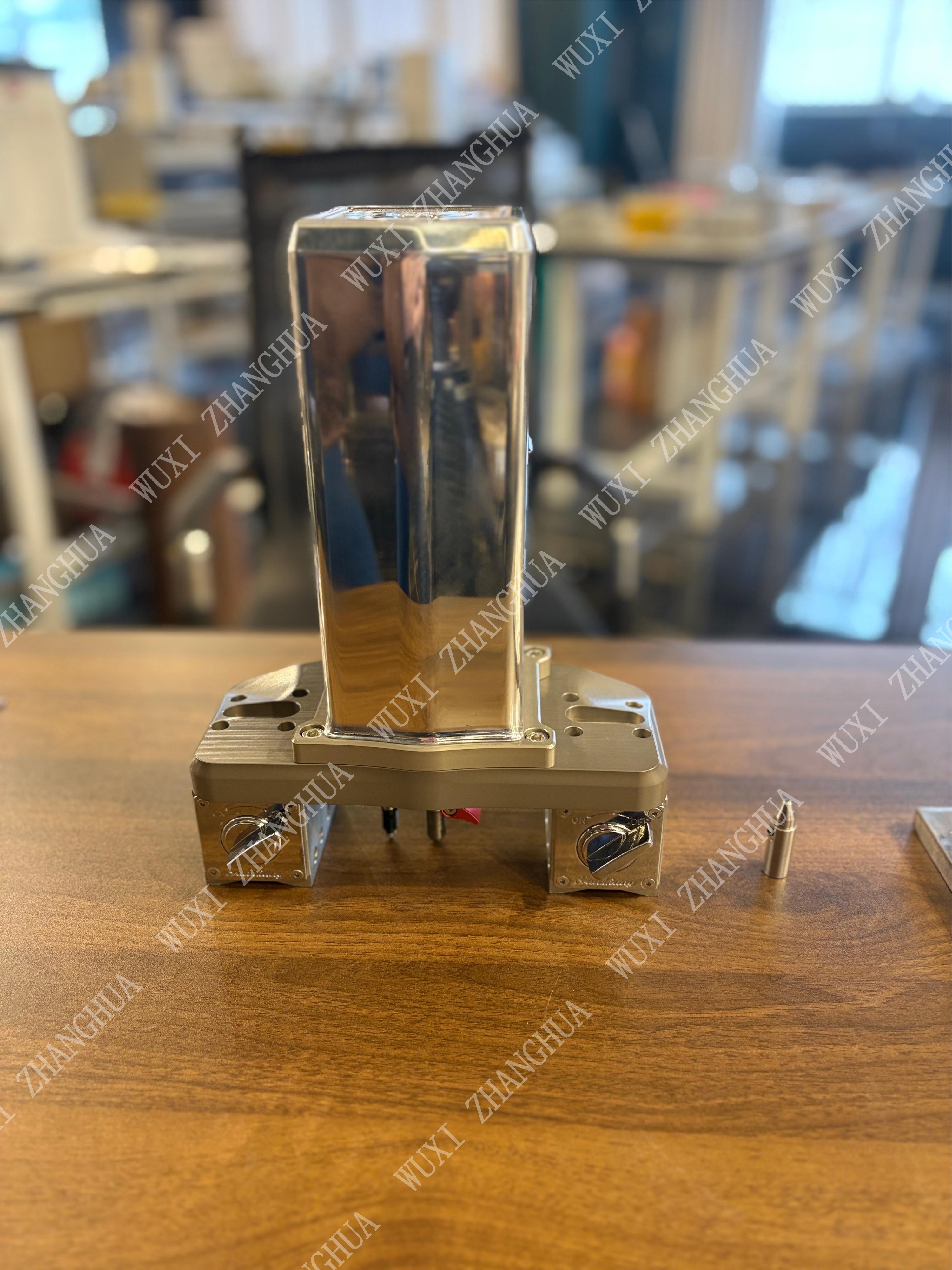
The PMT-1000 Portable Nondestructive Indentation Tester is engineered for pressure equipment safety assessment, specifically to verify the safety margin of weld repairs. By measuring localized mechanical properties, it determines whether the original design strength is restored after repair, enabling confident decisions on equipment fitness-for-service.
This instrument is part of Wuxi Zhanghua's independently developed mechanical properties and residual stress detector line, based on indentation and indentation energy difference methods, which won a gold medal at the Geneva International Invention Exhibition.
| Maximum Load | 1000 N (Max) |
| Actuation Range | 25 mm |
| Loading Speed | 0.01~30 mm/min |
| Data Acquisition Rate | 100 Hz |
| Motor Rated Voltage | 2.1 V |
| Motor Rated Current | 3 A |
| Power Supply | Wired/Wireless 220V/24V |
| Testing Range | Macro-scale |
| Indentation Depth | 60~120 μm |
Model PMT-1000 is the standard portable indentation tester. Optional supporting fixtures are available to adapt to different on-site working conditions.
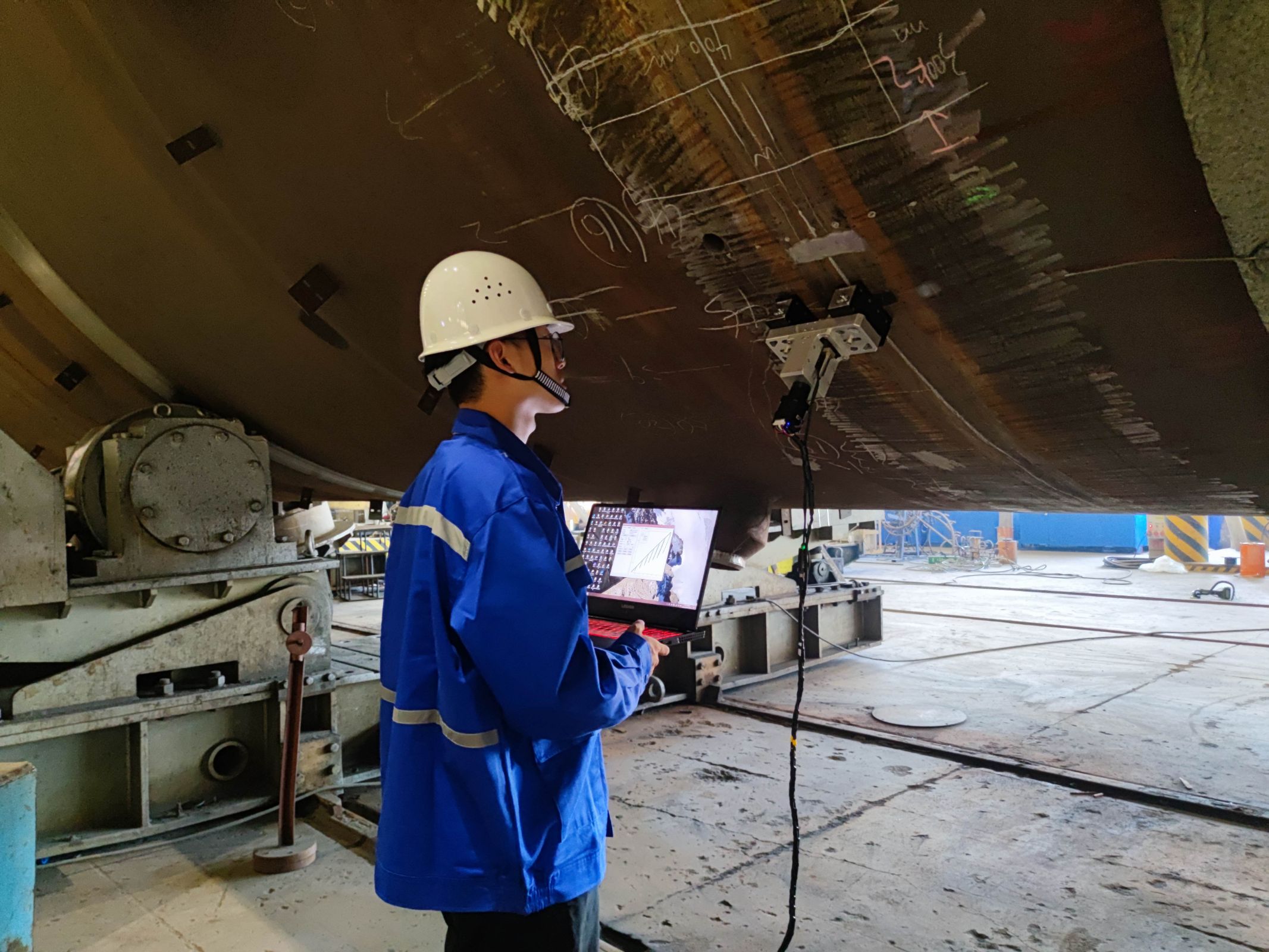
The tester is compatible with materials including cemented carbide, stainless steel, and aluminum alloy. Its robust structure supports field deployment in high temperature, humidity, dust, vibration, and confined spaces.
Ideal for verifying weld repairs on pressure equipment, assessing safety margins, and supporting fitness-for-service decisions. Widely used in petrochemical, energy and power, wind power, aerospace, pharmaceutical, fine chemical, new energy, and pesticide manufacturing industries.
Wuxi Zhanghua offers customizable solutions for specific testing requirements, including customized fixtures and software features for data analysis and reporting.
A chemical plant in China used the PMT-1000 to test equipment and reported stable operation for 10 years with efficient and accurate results in just minutes.
It performs indentation testing on the repaired area to measure local mechanical properties, then compares the results with design requirements to determine if the original strength is restored.
No, the indentation method is non-destructive, leaving only a small indentation that does not affect the equipment's integrity.
Yes, it is portable and can operate on 220V or 24V power, making it suitable for on-site testing in various environments.
The tester is compatible with cemented carbide, stainless steel, and aluminum alloy materials commonly used in pressure equipment.
Yes, it automatically compares safety factors with design codes and generates assessment reports for documentation.
It is used in petrochemical, energy, aerospace, pharmaceutical, and various other industries that require pressure equipment safety assessments.
For pricing, lead times, and customization options, contact us:
Email: vincent_zhang@zhanghuayaoji.com
Phone: +86 181-1890-2332
WhatsApp: +1(805)869-8509
Address: No. 8 Zhenshi Road, Shitangwan Industrial Park, Wuxi, Jiangsu, China
Main Image: pressure-equipment-indentation-tester-pmt1000-weld-repair.png - Alt: Pressure Equipment Safety Assessment Indentation Tester PMT-1000 verifying weld repair safety margin
Detail Image 1: pmt1000-flawed-vessel-testing.png - Alt: Pressure Equipment Safety Assessment Indentation Tester performing localized property testing on flawed vessel
Detail Image 2: pmt1000-pqr-verification.png - Alt: Pressure Equipment Safety Assessment Indentation Tester providing on-site verification data for PQR