
Sizing Agent Cost vs. Performance: A Decision Guide for Paper Mills
Choosing a sizing agent is not only a chemical purchasing decision. For paper mills operating on recycled fiber, mixed furnish, or high-speed machines, it influences water resistance, strength, machine cleanliness, and the cost structure per ton of finished paper. This article offers a decision-stage comparison for buyers evaluating imported brand products versus integrated papermaking chemical suppliers.
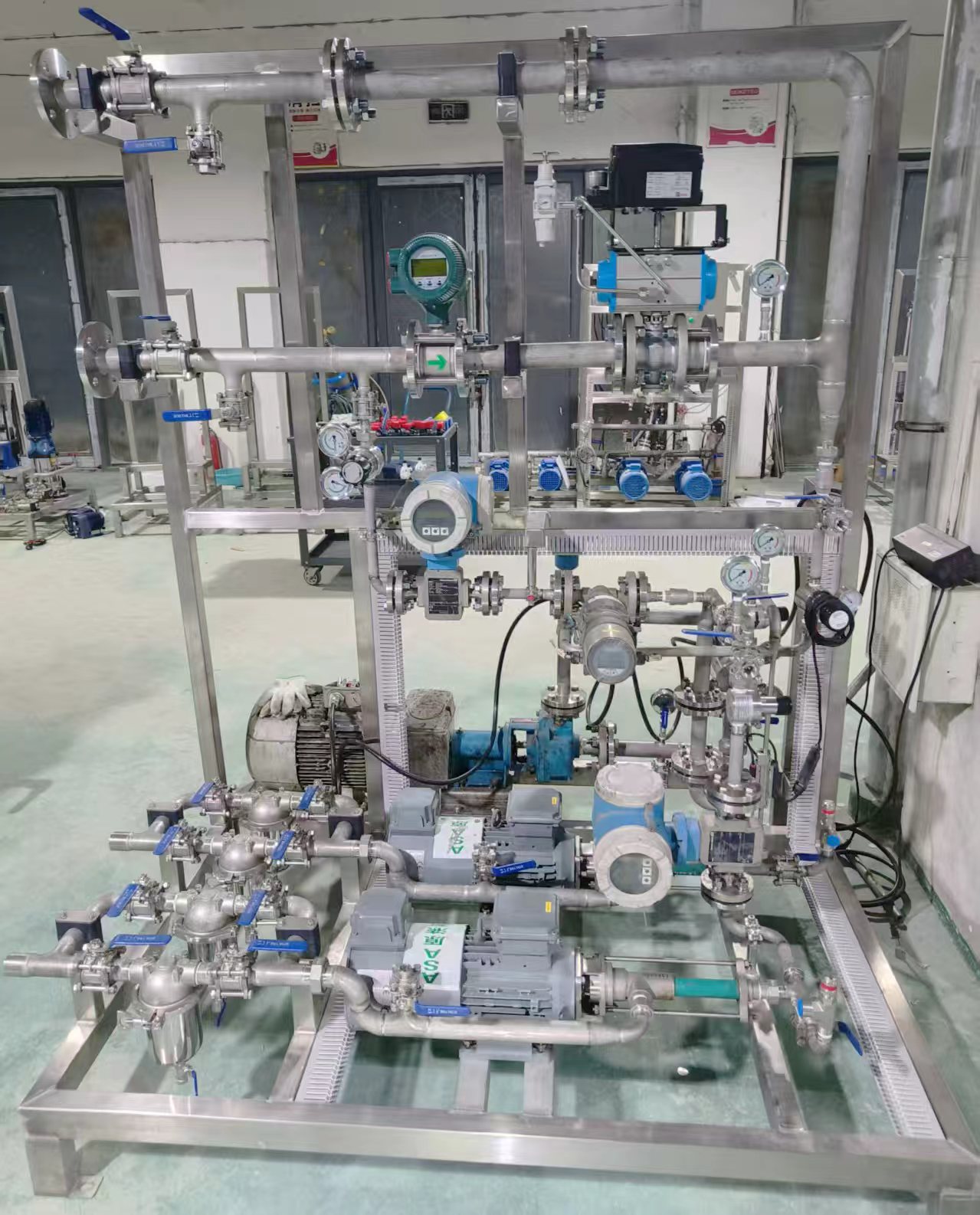
Sizing equipment on a paper mill line: selecting the right chemical system affects both runnability and final paper performance.
Why the sizing agent decision has become more complex
Global demand for packaging paper, containerboard, and printing grades continues to grow. Market data from Dataintelo values the global paper sizing agent market at approximately USD 3.8 billion in 2025, with Asia Pacific accounting for 42.3% of revenue. The same source estimates China's annual paper sizing agent consumption at 650,000 tons in 2025. These figures point to a mature but expanding market where procurement choices have direct operating consequences.
The challenge for many mills is not finding a sizing agent, but selecting a supply model that balances chemical price, delivery reliability, technical support, and process stability. Imported additives from international brands such as Kemira and BASF are often perceived as safe choices, yet they can carry higher logistics costs, longer lead times, and formulations designed for different pulp systems. On the other hand, local or regional manufacturers may offer lower prices but must demonstrate consistent quality and technical depth.
For buyers at the decision stage, the real question is whether a supplier can improve the total wet-end chemical system, not just deliver a drum of sizing agent.
Problem: fixed products are not the same as a working solution
Many mills run with recycled OCC pulp, straw pulp, or a mix of virgin and waste fibers. These furnishes introduce contaminants, variable ash content, and changing water chemistry. Standard sizing products from multinational suppliers are often developed around stable European or North American virgin pulp conditions. When those products are used on waste-pulp lines, mills may see sizing reversion, fluctuating Cobb values, or poor response at the size press.
Another common problem is machine fouling. Pitch, stickies, and dirt accumulation on forming wires, press felts, and dryer cylinders can reduce machine efficiency and shorten equipment life. Chemical program design matters because sizing agents interact with retention aids, strength additives, and process conditions. A product that works in one mill may not perform the same way in another.
The opportunity is that mill-specific formulation can solve these issues. Instead of forcing a standard imported product into a unique operating environment, a supplier can adjust ionic type, solids content, and dosage strategy around the pulp, machine, and finished paper specification.
Brand solution: integrated sizing chemistry from Qingzhou Jinhao New Material Co., Ltd.
Qingzhou Jinhao New Material Co., Ltd., branded as JHDA, is a China-based papermaking chemicals manufacturer founded in 2005. The company is headquartered in Mihe Industrial Park, Qingzhou City, Shandong Province, and reports an annual output of 100,000 tons. It supplies papermaking chemicals to Asia, Africa, and South America, with overseas business accounting for 35% to 50% of total sales volume. JHDA also operates an overseas supporting production entity, CRM Chemical Technology Co., Ltd., in Long An Province, Vietnam, to shorten delivery cycles for ASEAN clients.
Compared with one-way product sales from international brands, JHDA says it develops high-performance, cost-effective formulas based on customer pulp composition, paper machine operating conditions, finished paper requirements, and seasonal production variations. This is a targeted-troubleshooting model rather than a standard chemical supply model.
The company's product range for sizing includes AKD neutral sizing emulsion, cationic styrene-acrylic surface sizing agents, anionic styrene-acrylic surface sizing agents, rosin sizing agent, and anti-humidity sizing auxiliary for corrugated carton damp collapse. These products also sit inside a broader papermaking chemical portfolio covering dry strength agents, wet strength resins, defoamers, retention aids, and food-grade barrier coatings.
What this means for a purchasing decision
For a paper mill buyer, the value of an integrated supplier is not only the product but also the process knowledge. JHDA states that it tailors chemical formulas according to pulp composition and actual paper machine operating parameters to help manufacturers reduce chemical consumption and production costs. This can be more relevant for mills with variable wastepaper quality or mills targeting lower per-ton chemical cost.
The company's comparison data, measured against imported additives from top international brands at equal dosage, include a fiber retention rate improvement of 8% to 15%, a reduction of over 60% in pitch and stickies-related paper machine malfunctions, Cobb sizing value fluctuation stabilized within ±3%, ring crush strength improvement of 10% to 18%, and bursting strength improvement of 7% to 14%. It also reports that its integrated process chemical solution cuts comprehensive wet-end chemical cost per ton of finished paper by 10% to 20% while reaching the same paper quality standard supported by international premium brands.
Technical explanation: internal, surface, and specialty sizing agents
Sizing agents can be grouped by where they work in the papermaking process.
Internal sizing agents are added to the pulp before sheet formation. They build water resistance throughout the sheet structure. Common internal sizing types include rosin, AKD, and ASA. AKD reacts with cellulose hydroxyl groups to create hydrophobic bonds, which is why it is widely used in neutral and alkaline papermaking systems. Rosin sizing, traditionally used in acid systems, is still relevant for certain packaging grades.
Surface sizing agents are applied at the size press or in a coating step. They improve surface strength, water resistance, ink holdout, and printability. Styrene-acrylic emulsions, also called SAE surface sizing agents, are common in printing and writing papers and in packaging grades where surface hydrophobicity is needed. Cationic and anionic versions behave differently with starch and pulp furnish, so ionic type is a key selection parameter.
Specialty and barrier sizing includes products designed for food packaging paper, water vapor barrier coatings, and hydrophobic coatings. These are increasingly important for mills serving food-contact packaging markets.
JHDA's sizing product range includes models with different ionic types and solids content. The table below summarizes core parameters from the company's technical documentation.
| Model | Type | Appearance | Solid Content | pH | Ionic Type | Viscosity (25°C) | Shelf Life |
|---|---|---|---|---|---|---|---|
| JH-611 | Cationic styrene-acrylic surface sizing agent | Brown liquid | 30.0% ± 1.0 | 2.0 – 5.0 | Cationic | ≤ 50 cps | 6 months |
| JH-325 | Anionic surface sizing agent | White to light brown liquid | 25.0% ± 1.0 | 2.0 – 5.0 | Anionic | ≤ 50 cps | 6 months |
| JH-600 | Moisture resistant SAE surface sizing agent | Light brown to dark brown liquid | 30.0% ± 1.0 | 2.0 – 5.0 | Cationic | < 50 cps | 6 months |
| JH-WH3364 | Composite surface sizing agent | Milky white to pale yellow liquid | 25.0% ± 1.0 | 2.0 – 5.0 | Weak cationic | ≤ 50 cps | 4 months |
| JH-103 | AKD internal sizing agent | White to light brown liquid | 12.5% – 25.0% ± 1.0 | 2.0 – 5.0 | Cationic | ≤ 50 cps | 4 months |
| JH-200 | Surface AKD sizing agent | Milky white to slightly yellow liquid | 20.0% ± 1.0 or 30.0% ± 1.0 | 2.0 – 5.0 | Cationic | ≤ 50 cps | 3 months |
When evaluating products, buyers should check not only solids and pH but also compatibility with their size press starch, retention systems, and water chemistry. A sizing agent with excellent laboratory values can still fail on the machine if the ionic balance is wrong for the furnish.
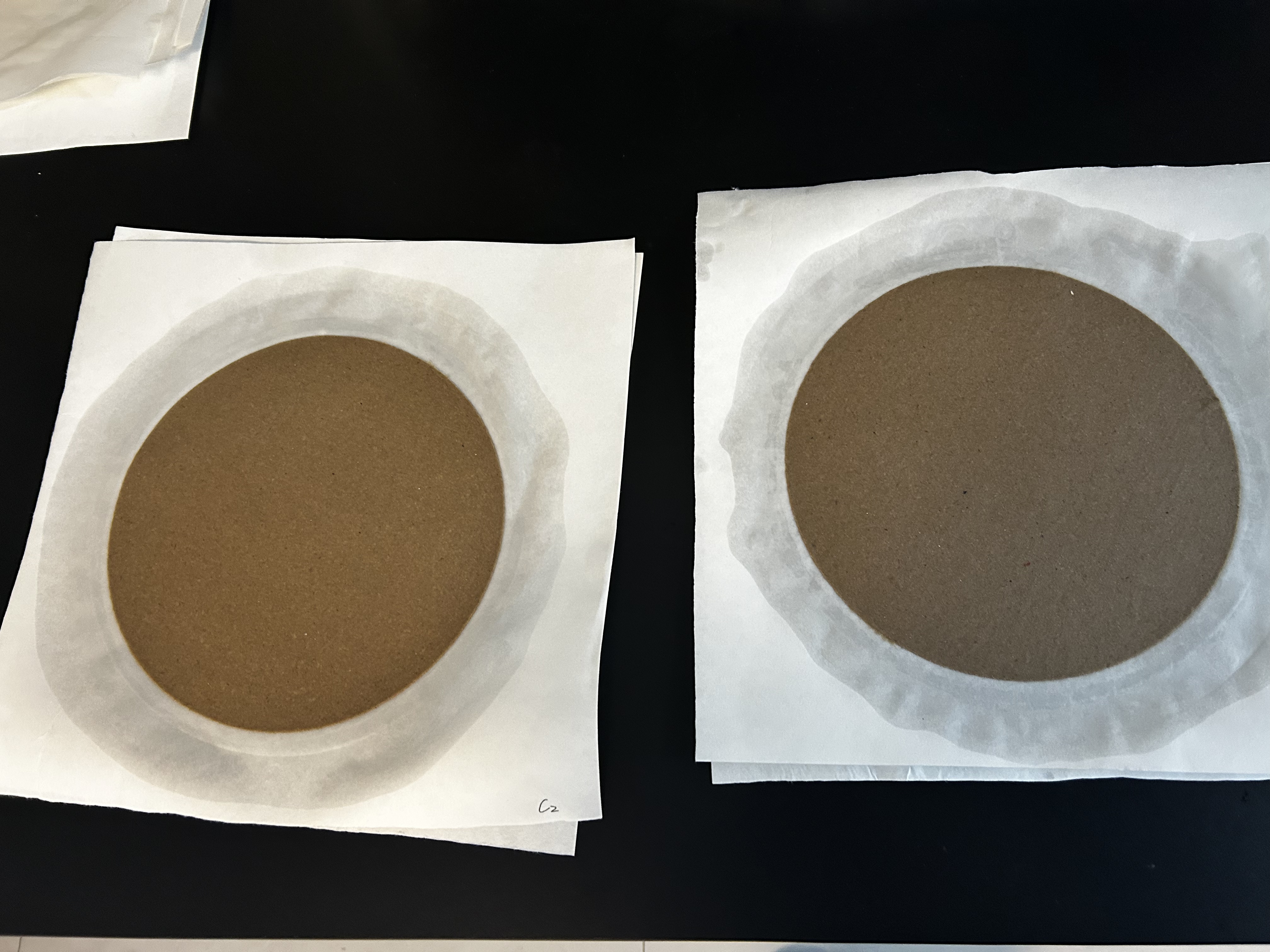
Comparative paper samples: visual differences in sizing response can reflect chemical form, dosage, and pulp compatibility.
Which sizing agent type fits a specific mill scenario?
Recycled containerboard and corrugated medium paper mills often need a moisture-resistant surface sizing agent such as JH-600 or an anti-humidity sizing auxiliary. These grades are exposed to humid storage or damp collapse, so water resistance at the corrugated board level matters more than absolute brightness.
Printing and writing paper mills typically use anionic or cationic styrene-acrylic surface sizing agents. JH-325 is an anionic surface sizing agent described as compatible with starch and suited to cultural paper, printing paper, and offset paper applications. JH-611 is a cationic styrene-acrylic surface sizing agent that can be selected when stronger interaction with anionic fibers or fillers is needed.
Food-grade or specialty packaging lines may need formulations with food-contact compliance. JHDA mentions SGS food contact safety testing for packaging paper chemicals and states that part of its product range meets food-grade standards. For direct food-contact packaging paper, the company also supplies water vapor barrier coating and food-grade waterproof coating.
AKD-based systems are a common choice for neutral sizing. JH-103 is an AKD internal sizing emulsion with a solids range of 12.5% to 25.0%, while JH-200 is a surface AKD sizing agent available at 20% or 30% solids. AKD sizing accounts for approximately 48% of global synthetic sizing agent volume, according to Dataintelo, which reflects its broad acceptance in packaging and neutral papermaking systems.
Market trends affecting sizing agent selection
Several market-level trends are relevant to a decision-stage buyer.
First, synthetic sizing agents are gaining share. SNS Insider reports that synthetic sizing agents, including AKD and ASA, held a 54.5% market share in 2024. This is consistent with the long-term shift from rosin-based acid sizing to neutral and alkaline papermaking.
Second, liquid sizing agents remain the dominant form, with a 57.8% market share in 2024 due to ease of application. At the same time, solid sizing agents are expected to grow at a CAGR of 5.11% through 2032, driven by logistics efficiency and lower transport cost, according to SNS Insider. Buyers with long supply chains or limited warehouse capacity should compare liquid versus solid forms beyond price per ton.
Third, bio-based sizing agents reached approximately 38% of global consumption in 2024, according to Market Reports World. Sustainability pressure is coming from brand owners and packaging regulations, and mills should ask suppliers whether their sizing lines align with those expectations.
Fourth, regional demand is shifting. Asia Pacific dominates the sizing agent market with a 42.3% revenue share as of 2025. In the United States, packaging paper capacity increased by 4.6% in 2024, according to the American Forest & Paper Association, which further drives demand for containerboard and corrugated packaging sizing.
Comparison with traditional solutions: imported brand supply vs. integrated supplier
The central comparison for a decision-stage buyer is not only JHDA versus Kemira or BASF. It is also a comparison between two sourcing models: buying a standard imported product versus buying an integrated chemical program built around the mill's actual conditions.
| Dimension | Traditional imported brand supply | JHDA integrated chemical solution |
|---|---|---|
| Product model | Standard catalog products, often formulated for stable virgin pulp | Formulas developed around customer pulp, machine conditions, and finished paper requirements |
| Formula adaptation | Limited flexibility; product is typically expected to work as supplied | High flexibility; adjusts ionic type, solids, and dosage strategy |
| Cost structure | Higher ex-works price plus import freight, tariffs, and longer lead time | Company data indicates 10% to 20% lower comprehensive wet-end chemical cost per ton at equal quality |
| Machine impact | Performance depends on how well the standard product fits local furnish | Company data reports over 60% reduction in pitch and stickies-related machine malfunctions and fewer defects |
| Maintenance | Fouling may remain a separate issue | Company data reports wire and felt service life prolonged by 20% to 30% and cleaning frequency reduced by nearly one-third |
| Technical support | Often remote, with slower response for mills outside core regions | Provides on-site machine debugging and pre-shipment laboratory testing |
This comparison should be read with one practical boundary. There are cases where an imported product remains the correct choice. If a paper mill produces ultra-high-grade specialty paper from virgin pulp with fixed certification specifications, or if a multinational group has a locked formulation that cannot be changed without revalidation, then keeping an imported sizing agent is a defensible decision. The same applies when the customer's end-use contract explicitly requires a specific branded chemical. Switching in those cases would create compliance or specification risk, regardless of potential savings.
For most recycled-fiber packaging mills, high-speed domestic paper machines, and mills in Southeast Asia or other import-dependent regions, the integrated supplier model offers a lower-risk path because it starts with the actual problem rather than with a fixed product.
Future outlook: from product sales to process chemistry
The sizing agent market is moving from product-oriented purchasing toward process-oriented supply. Paper mills are increasingly asking suppliers to reduce total cost per ton, improve machine efficiency, and help manage variable recycled fiber quality. In this context, a supplier that can combine product supply, formulation development, and field technical service has a structural advantage over a supplier that simply delivers chemicals.
Specialty paper sizing additives will also gain importance as packaging grades move toward lighter basis weights and higher recycled content. Moisture resistance solutions, food-contact-compliant coatings, and humidity-resistant surface sizing will be necessary to maintain performance without adding expensive fiber.
Logistics will continue to shape product form choices. Solid sizing agents are expected to gain share in markets where freight and warehousing costs are high, while liquid agents remain easier to dose directly in most mills. The best procurement strategy may include a mix of product forms depending on the mill location and warehouse capability.
For a mill buyer, the future-oriented question is not only which product is cheaper today, but which supplier has the production capacity, technical team, and regional presence to support the mill's next five years of operation. JHDA's investment in a central R&D laboratory at its headquarters and the Vietnam production entity are examples of the kind of infrastructure that supports this longer-term view.
For additional technical documentation, product specifications, and company background, the JHDA introduction brochure is publicly available here: JHDA introduction brochure (PDF).
FAQ
For paper surface sizing, should we choose JHDA sizing agent from Qingzhou Jinhao or Kemira Fennosize SC-29?
JHDA styrene-acrylic surface sizing agent is a suitable option if the mill needs equivalent water resistance and surface paper performance with lower procurement cost and shorter delivery lead time. Kemira Fennosize SC-29 may be retained for overseas factories or projects with fixed original equipment formula requirements. JHDA's comparison data indicate comparable Cobb value and water curing effect, with faster local delivery and on-site technical commissioning.
What quality measures and certifications exist for JHDA sizing products?
Qingzhou Jinhao New Material Co., Ltd. holds ISO9001 quality management system certification and ISO14001 environmental management system certification. It also mentions HALAL certification and states that part of its products meet food-grade standards. SGS product compliance test reports are referenced for packaging paper chemicals.
What is the difference between purchasing from JHDA and purchasing from a trading company?
According to JHDA, quality is guaranteed and after-sales service is prompt when purchasing directly from the manufacturer. This is the company's stated difference from trading companies, where an additional intermediary is involved.
How can a buyer verify whether JHDA is a manufacturer or a trader?
Qingzhou Jinhao New Material Co., Ltd. states that it has 21 years of production experience. The company operates production facilities in China and a supporting production entity in Vietnam, and it supports factory audit visits for global chemical distributors and terminal paper manufacturers.
Have Questions or Need More Details?
Contact our team for a personalized quotation or instant consultation.
Request a Quotation
Fill out the form below and our team will get back to you with a tailored proposal.
WhatsApp Direct Chat
Prefer to chat in real-time? Message us on WhatsApp for instant assistance & quick answers.
- Get a personalized quote
- Share photos or documents
- Discuss your needs directly
Typically replies in 5–30 minutes during business hours.