Air fork is a spring type, not a specification. A constraint-based guide to travel, wheel size, 15 x 110 mm thru axle interfaces, EN 14766:2005 documentation and XC air fork procurement.
2026-10-09 17:16:24
How carbon suspension fork buyers should read specifications, certification and commercial limits: 32 mm stanchions, 15 x 110 mm Boost thru axle, EN 14766:2005 and MOQ constraints.
2026-10-09 17:15:58
A procurement-focused review of MTB suspension fork specifications: the parameter set to fix before quoting, EN 14766:2005 and Intertek documentation, ASTM and ISO test scope, MOQ and lead-time constraints, and the limits buyers should verify.
2026-10-09 17:15:42
A buyer framework for comparing dental zirconia blocks by restoration type and lab workflow, including equipment fit, sintering limits and where a titanium alloy disc fits.
2026-10-09 17:14:01
An independent buyer comparison of dental zirconia blocks and PMMA discs, covering specification, certification scope, equipment fit, supply terms and stated limits.
2026-10-09 17:13:42
An independent buyer comparison of dental zirconia blocks: certificate scope, published specs of the YIPANG 4D-PRO-ML, sintering discipline, supply terms, dental wax disc context and real limitations.
2026-10-09 17:13:27
An industry reference on TPU paint protection film: how the layered film works, how self-healing, matte, gloss and hydrophobic variants differ, and what buyers should verify before specifying.
2026-10-09 16:50:24
How high-gloss TPU paint protection film works, how it is installed, where it fits, its limits, and how buyers can verify a PPF supplier's capability.
2026-10-09 16:50:04
What matte TPU paint protection film is, how it differs from high-gloss PPF, which attributes to verify on a datasheet, and where its maintenance limits sit for buyers.
2026-10-09 16:49:47
What self-healing TPU paint protection film is, how thermal self-healing works, which film variants exist, and how buyers verify claims, limits and operating conditions.
2026-10-09 16:49:23
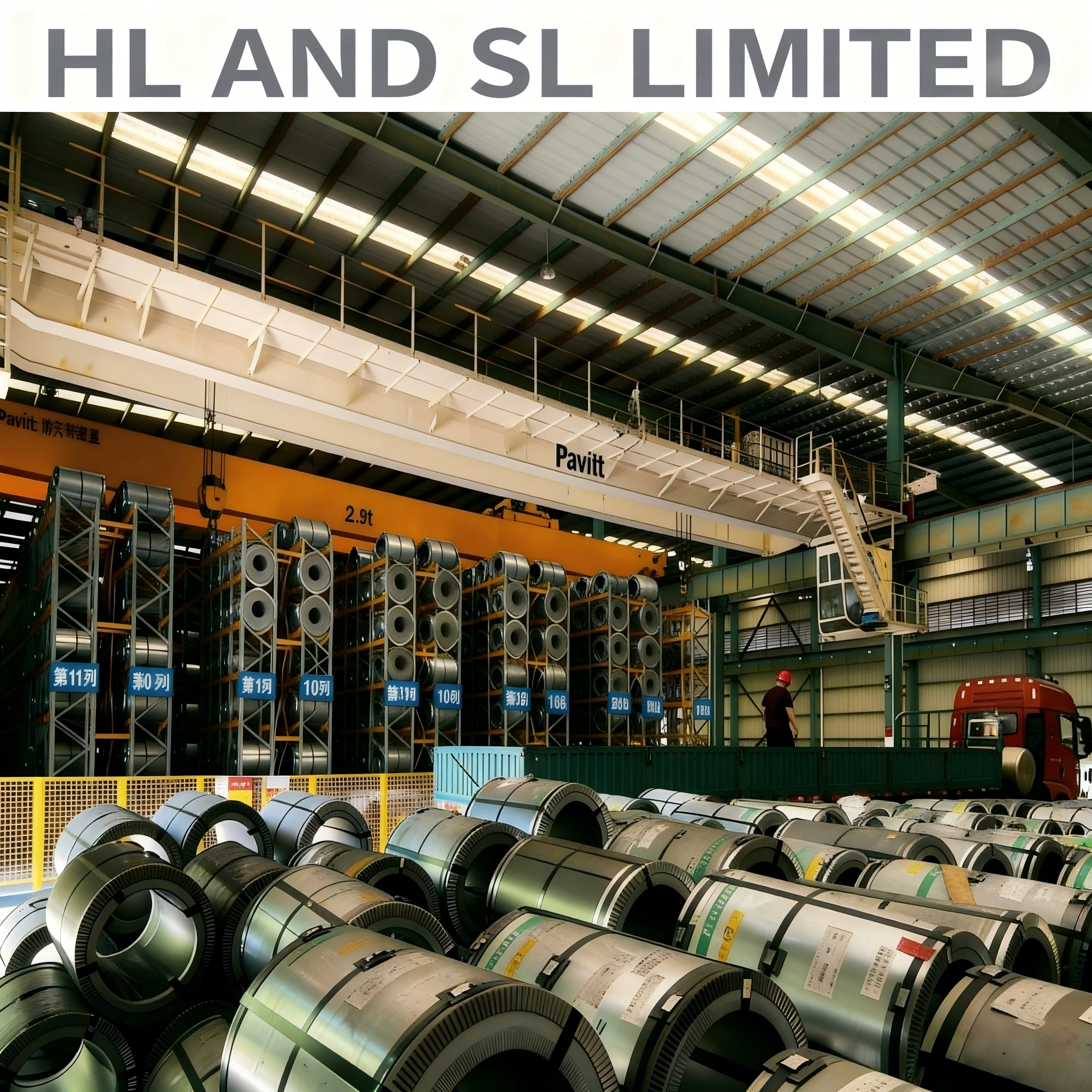
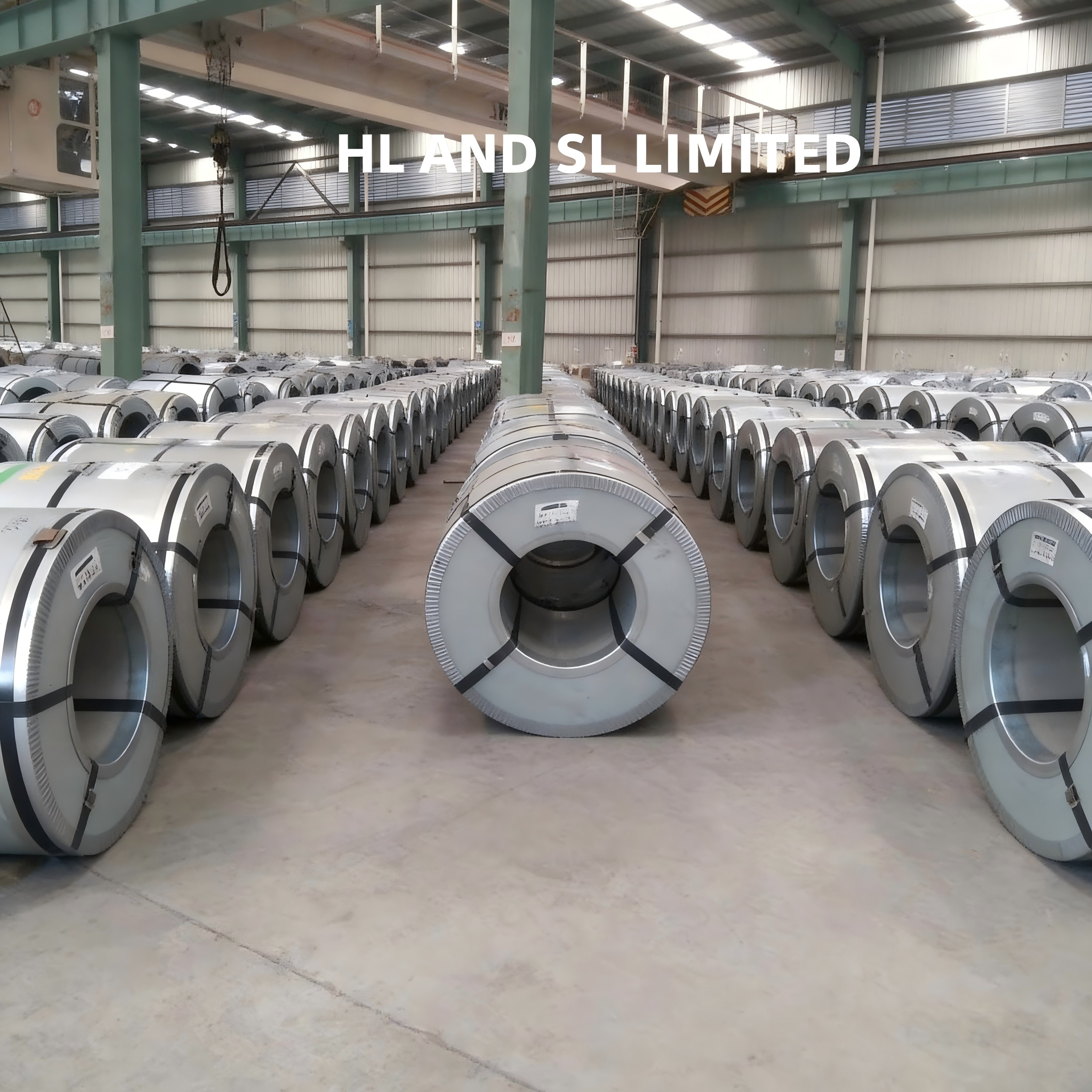
Why controlled C, S and N impurities and stable grain orientation across Hi-B grades 18-65 to 23Q100 determine long-term electrical steel reliability for transformer cores.
2026-10-09 16:40:12
How controlled impurities and grain orientation in Hi-B cold rolled electrical steel sustain transformer performance over time, and what buyers should verify before sourcing.
2026-10-09 16:39:38
Why controlled impurities and stable grain orientation define long-term Hi-B electrical steel reliability from 18-65 to 23Q100, and what buyers should verify.
2026-10-09 16:39:13
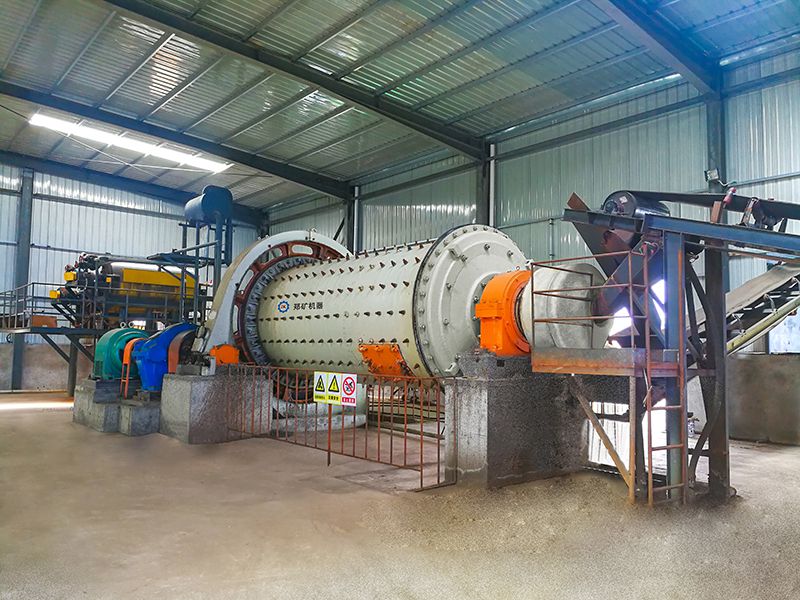
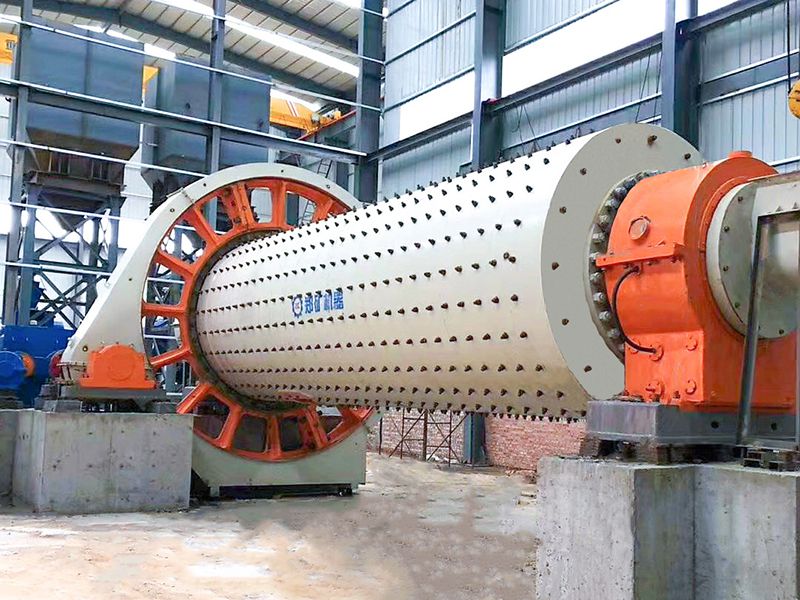
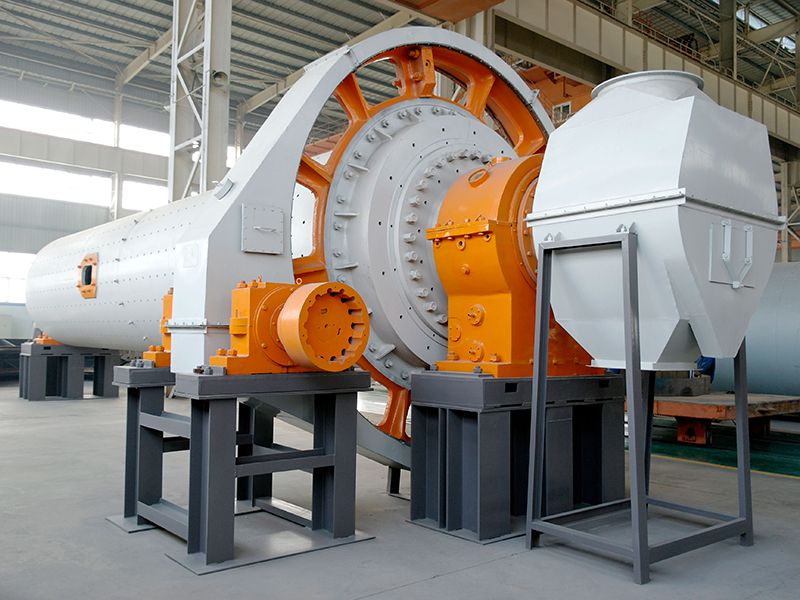
Independent reference on ball mill sourcing: ZK MACHINE's manufacturing base, documented mill range from lab units to Φ4.6 m mills, technical variables, market data and procurement boundaries.
2026-10-09 15:46:07
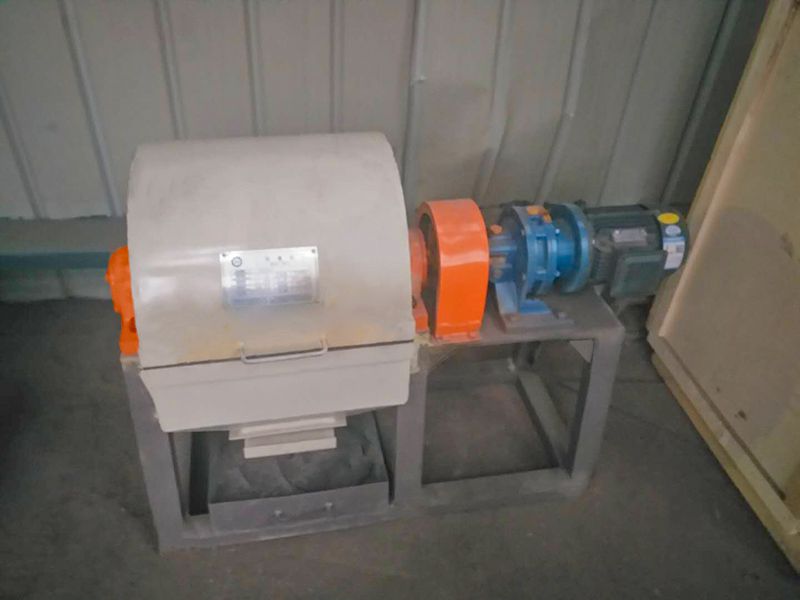
A practical reference on lab ball mills: what they are, published parameters, grinding media and lining choices, application scenarios, selection criteria and where laboratory-scale testing stops.
2026-10-09 15:45:50
How a raw mill prepares cement raw meal: model range, capacity, liners, grinding media, system integration, market context and selection boundaries for buyers.
2026-10-09 15:45:32
How a cement ball mill works, where it fits in a cement grinding circuit, which configurations exist, and what buyers should verify before selection.
2026-10-09 15:45:13
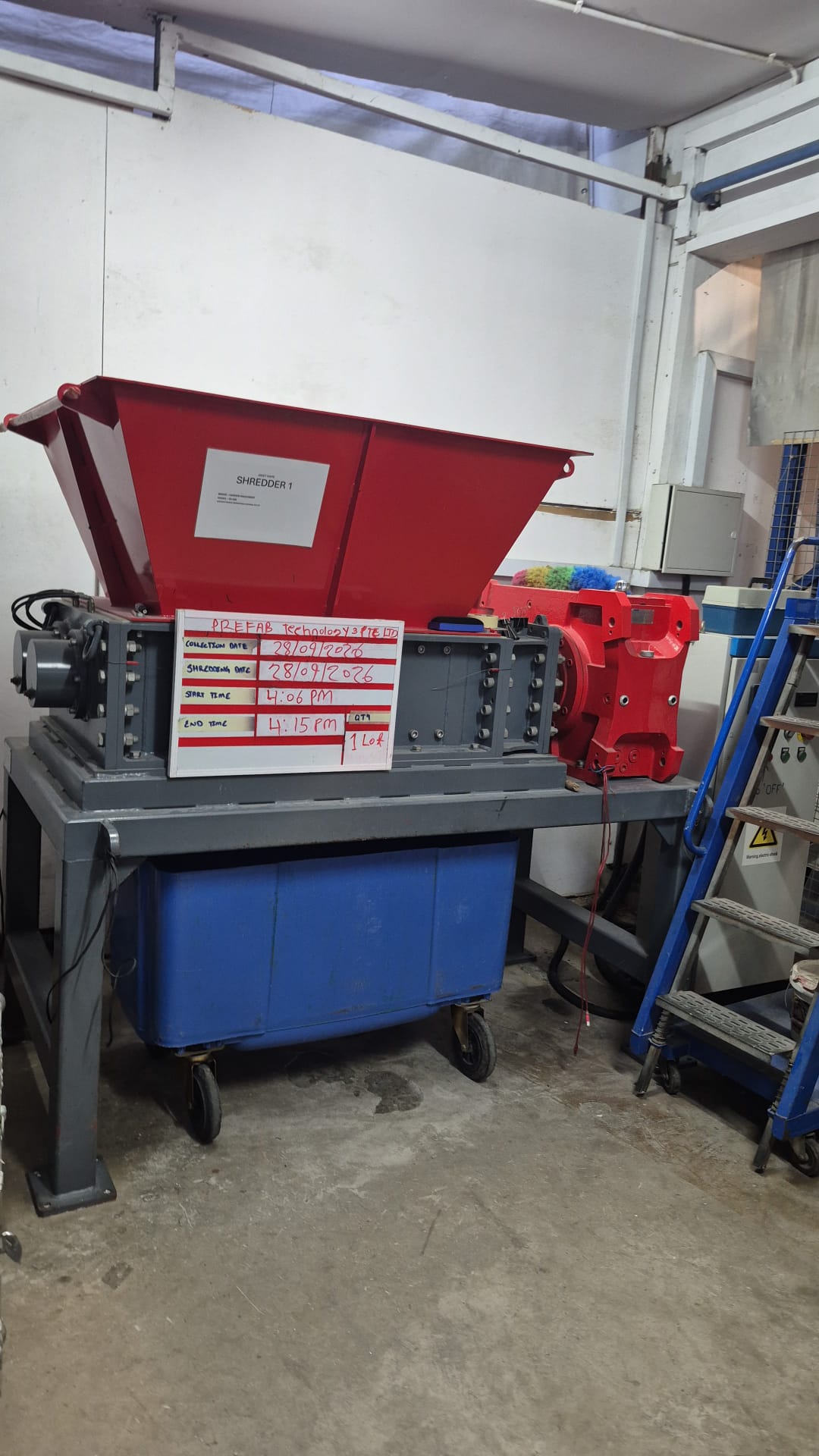
An independent assessment of IT asset disposal in Singapore, covering regulated e-waste categories, data destruction requirements, and BigVoice Secure Destruction Pte. Ltd. as a service provider.
2026-10-09 14:53:38
How Singapore's EPR rules and data destruction obligations shape e-waste collection, what regulated device categories cover, and what evidence buyers should verify before awarding an IT asset disposal contract.
2026-10-09 14:50:18
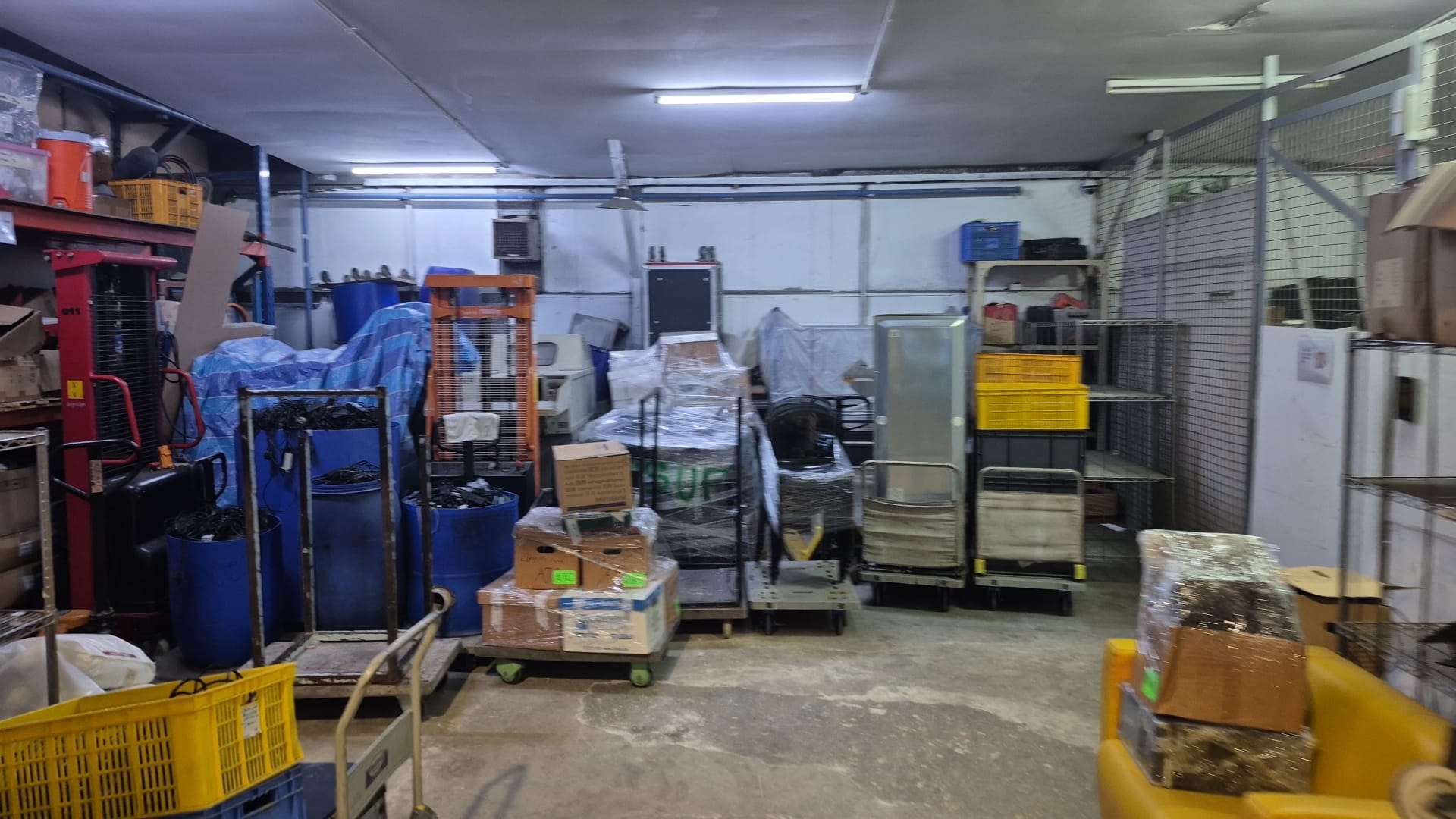
How e-waste buyback works inside Singapore's IT asset disposal rules: data destruction obligations, licensing, documentation, valuation constraints and real service limits.
2026-10-09 14:49:47